Pressure Conversion Calculator
Convert pressure instantly between BAR, PSI, and MPa for refrigeration, HVAC/R, industrial, hydraulic, and engineering applications.
Pressure is measured using several different units around the world. While PSI (pounds per square inch) is most common in North America, BAR is widely used throughout Europe and much of the refrigeration industry, while MPa (megapascal) is commonly found in engineering specifications and international standards.
Use the calculator below to quickly convert between BAR, PSI, and MPa.
Pressure Conversion Calculator
Enter a pressure value and select its unit to convert between BAR, PSI, and MPa.
Results are rounded for convenience. Always refer to the applicable product documentation, engineering specifications, and safety requirements when selecting pressure-rated components.
Common Pressure Conversions
| BAR | PSI | MPa |
|---|---|---|
| 1.00 | 14.5 | 0.100 |
| 5.00 | 72.5 | 0.500 |
| 10.00 | 145.0 | 1.00 |
| 20.00 | 290.1 | 2.00 |
| 45.00 | 652.7 | 4.500 |
| 69.00 | 1,000.8 | 6.900 |
| 100.00 | 1,450.4 | 10.00 |
| 130.00 | 1,885.5 | 13.00 |
| 140.00 | 2,030.5 | 14.00 |
| 150.00 | 2,175.6 | 15.00 |
These are some of the most commonly referenced pressure ratings within HVAC/R and industrial refrigeration.
Although they all measure pressure, different industries or regions use different units
Pounds Per Square Inch (PSI)

Pounds per square inch (PSI) is the standard pressure measurement throughout the United States and Canada. Most HVAC service gauges, refrigeration tools, and equipment sold in North America display pressure in PSI.
BAR

BAR is commonly used across Europe and in many refrigeration system specifications. Many international manufacturers publish pressure ratings in BAR because it provides convenient whole-number values for engineering documentation.
Megapascals (MPa)

Megapascals (MPa) are part of the International System of Units (SI) and are frequently used within engineering calculations, pressure vessel design, and technical standards.
Common HVAC-R Pressure Ratings
If you work in refrigeration or HVAC, you’ll frequently encounter pressure ratings like these.
| Application | Pressure |
|---|---|
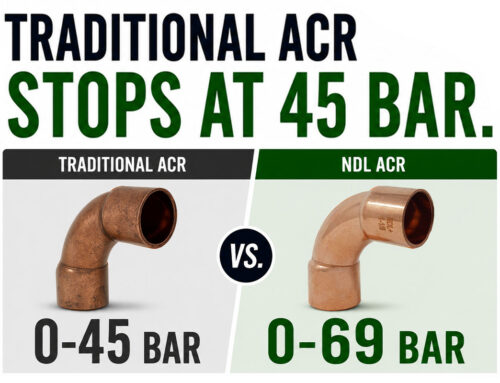
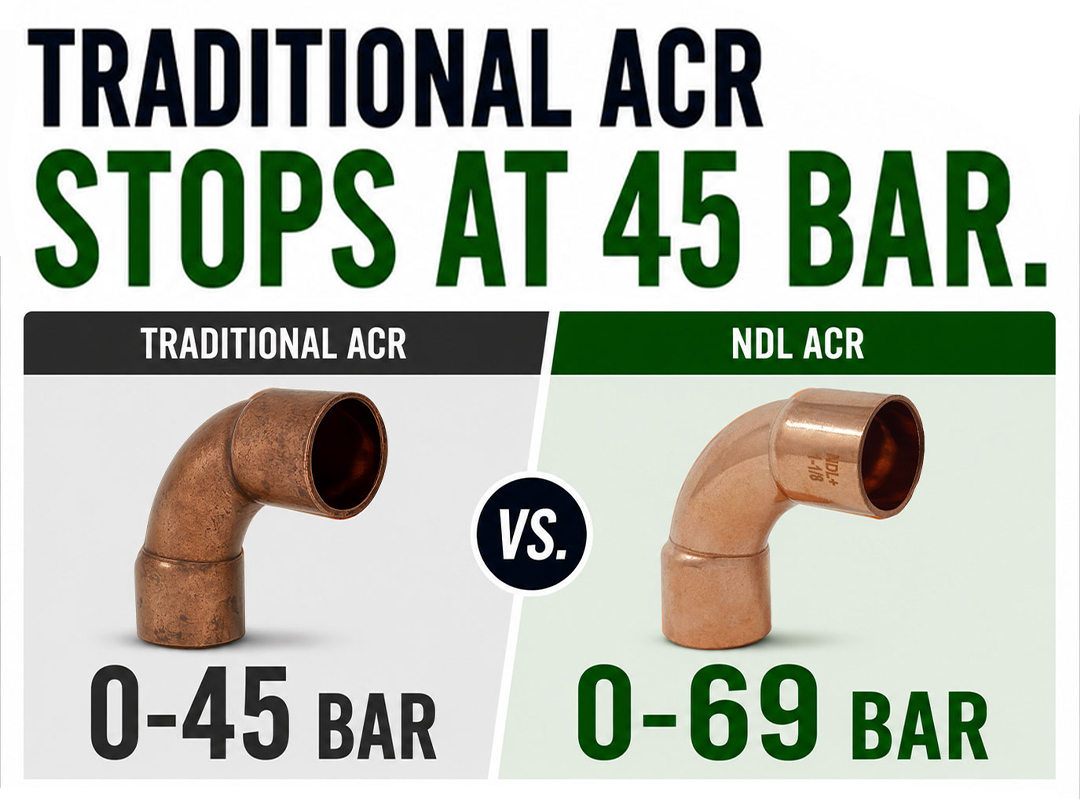
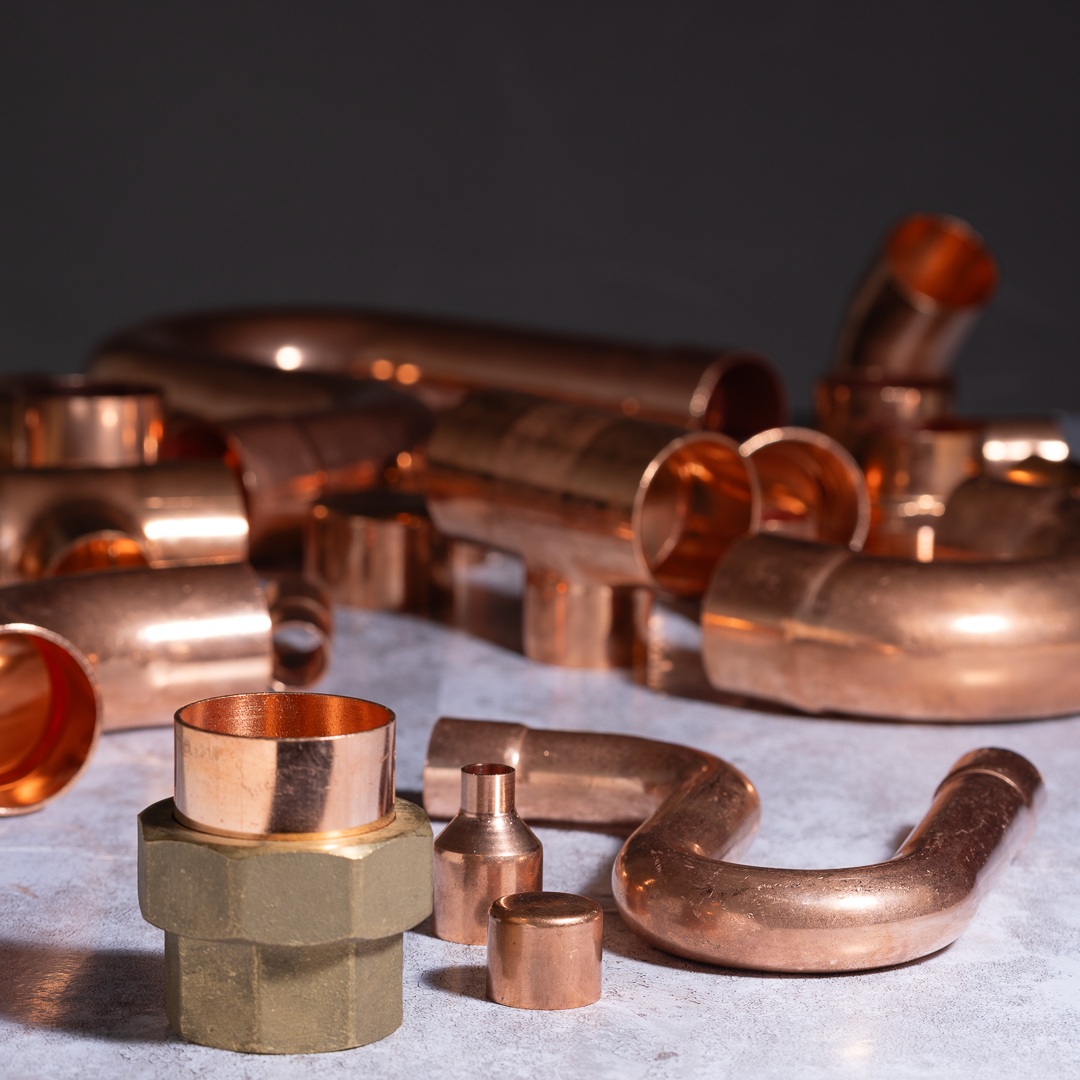
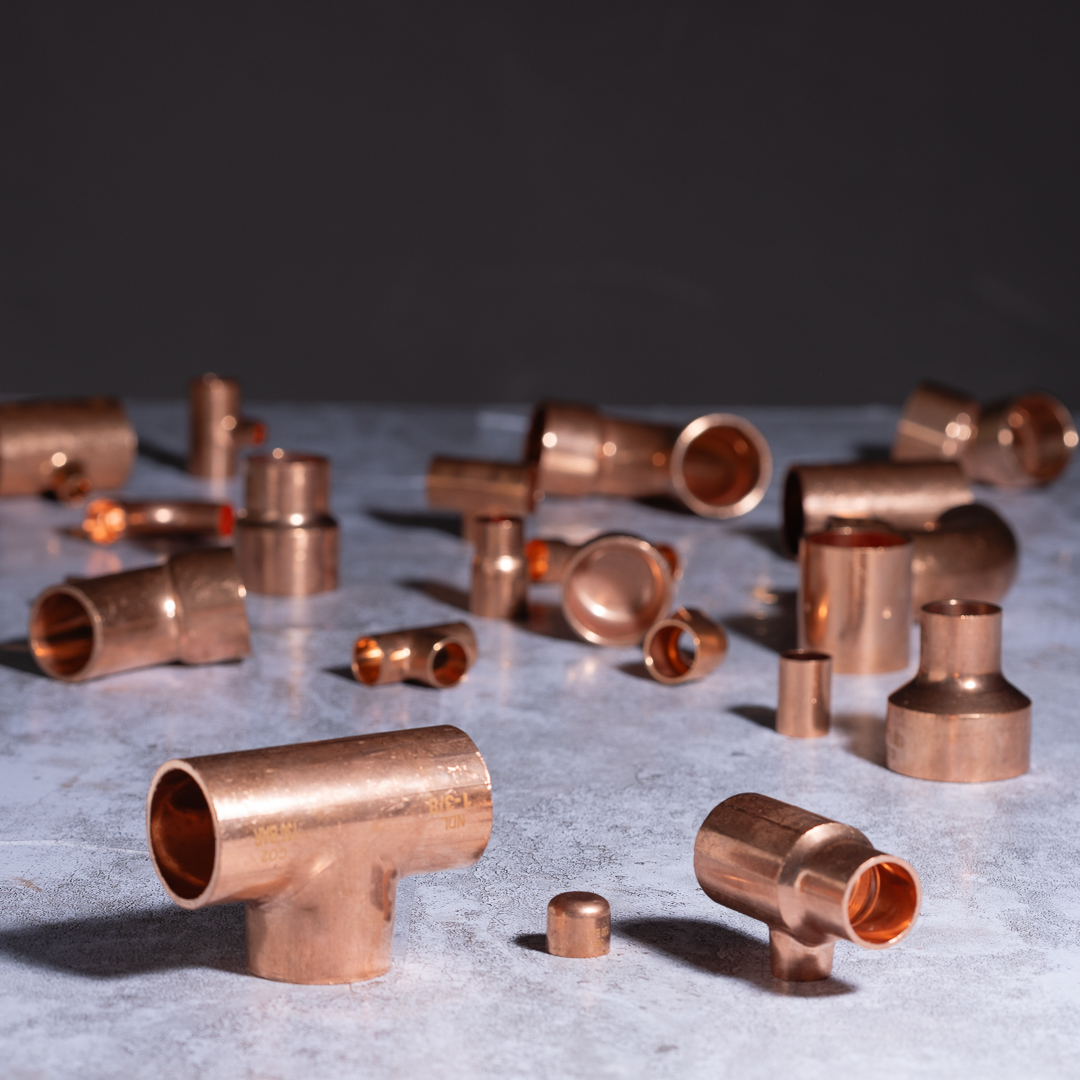
| Traditional ACR Fittings | 45 BAR (653 PSI) |
| High-pressure / NDL ACR Fittings | 69 BAR (1,000 PSI) |
| CO2 Copper Fittings | 130 BAR (1,885 PSI) |
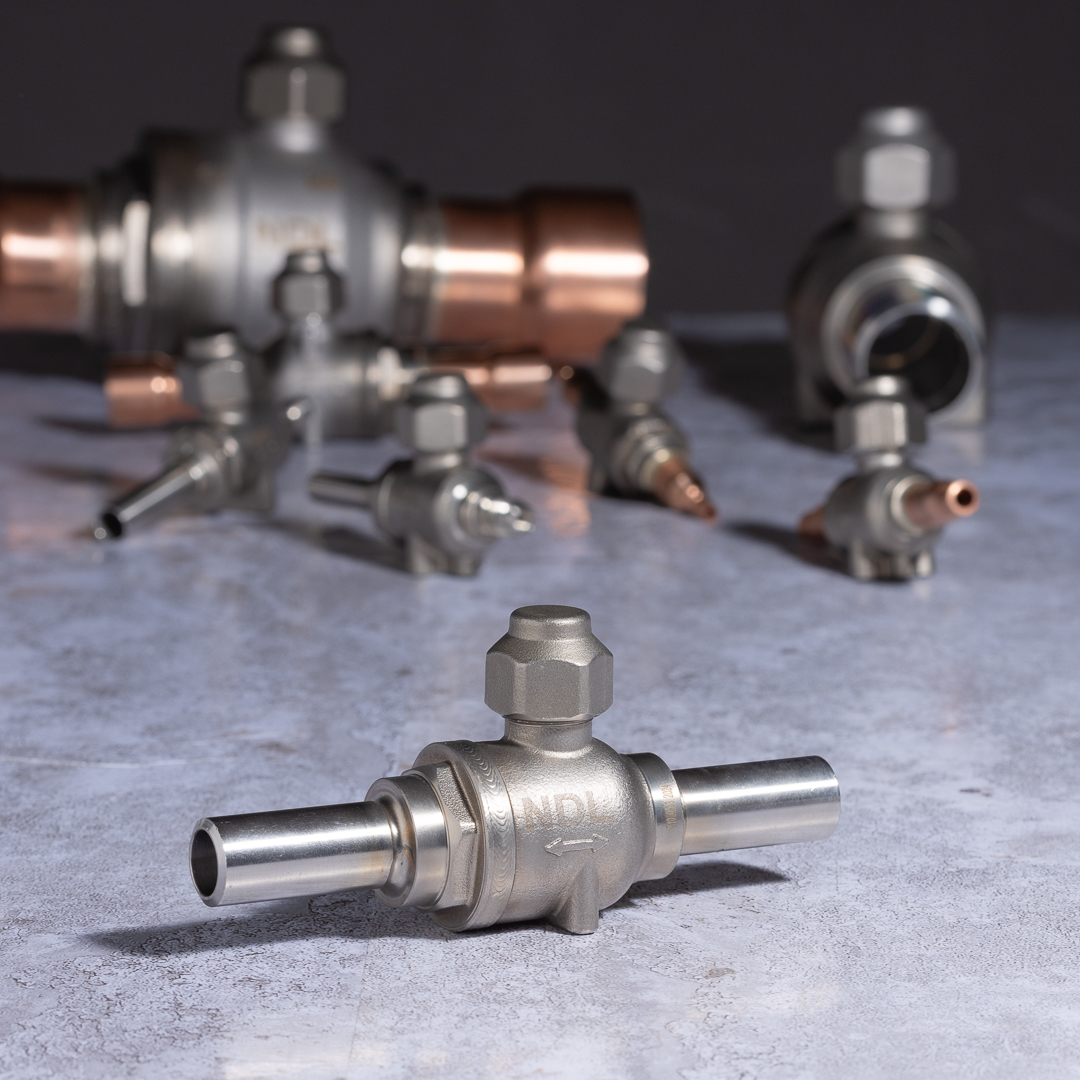
| CO2 Ball Valves | 140 BAR (2,030 PSI) |
Choosing the Right Pressure-Rated Components
Selecting components with the appropriate pressure rating is essential for ensuring system safety, reliability, and long-term performance. Whether you’re working with traditional ACR refrigeration systems or high-pressure CO₂ applications, understanding the operating pressure of each section of the system helps you choose fittings and valves designed for the job.
Explore our pressure-rated product solutions:
Pressure Conversion Formulas
The calculator performs these conversions automatically, but these formulas may be useful for manual calculations.
BAR → PSI
PSI = BAR × 14.5038
BAR → MPa
MPa = BAR ÷ 10
PSI → BAR
BAR = PSI ÷ 14.5038
PSI → MPa
MPa = PSI × 0.00689476
MPa → BAR
BAR = MPa × 10
MPa → PSI
PSI = MPa × 145.038
Applications
Pressure conversions are commonly used within:
Frequently Asked Questions
How many PSI are in one BAR
One BAR equals approximately 14.5 PSI.
How do you convert BAR to PSI?
Multiply the pressure in BAR by 14.5038
(Example: 45 BAR x 14.5038 = 652.67 PSI)
Why do refrigeration systems use BAR?
Many refrigeration manufacturers publish specifications in BAR because it aligns with international engineering standards and is widely used throughout Europe and other global markets.
Is MPa the same as BAR?
No.
1 MPa equals 10 BAR
Although they represent the same physical property, the numerical values are different.
What pressure unit is used in North America?
Most HVAC-R equipment, service gauges, and pressure specifications in North America use PSI.
What pressure unit is used internationally?
Many international manufacturers specify pressure using BAR or MPa, particularly in engineering documentation and refrigeration equipment.
Additional Resources
For additional information on pressure units and engineering standards, these resources may be helpful: