A2L Refrigerants Explained: What the HVAC-R Industry Needs to Know
The HVAC-R industry is currently undergoing one of its biggest refrigerant transitions in decades. As environmental regulations continue to phase out higher global warming potential (GWP) refrigerants, A2L refrigerants are becoming increasingly common across residential, commercial, and refrigeration applications.
For contractors, OEMs, wholesalers, and facility managers, understanding A2L is becoming essential. From safety classifications and regulations to system compatibility and component selection, the transition impacts nearly every part of the HVAC-R industry.
This guide explains what A2L refrigerants are, why the industry is moving toward them, and what businesses should know when preparing for the future of lower-GWP HVAC and refrigeration systems.
What Are A2L Refrigerants?
A2L refrigerants are a classification of refrigerants defined by ASHRAE Standard 34. The classification refers to both toxicity and flammability characteristics.
A2L refrigerants are designed to provide lower environmental impact compared to many traditional hydrofluorocarbon (HFC) refrigerants while still delivering strong system performance and efficiency.
Unlike older refrigerants with high GWP values, many A2L refrigerants help reduce greenhouse gas emissions and support evolving environmental regulations.
A2L classifications are defined under ASHRAE Standard 34, which outlines refrigerant safety classifications.
Common A2L refrigerants include:
| Refrigerant | Common Applications | ASHRAE Classification |
|---|---|---|
| R454B | Residential and commercial air conditioning | A2L |
| R32 | Air conditioning and heat pumps | A2L |
| R1234yf | Automotive air conditioning | A2L |
| R1234ze | Commercial and industrial applications | A2L |
For additional refrigerant information and classifications, view NDL’s refrigerant compatability table.
Why is the HVAC-R Industry Transitioning to A2L?
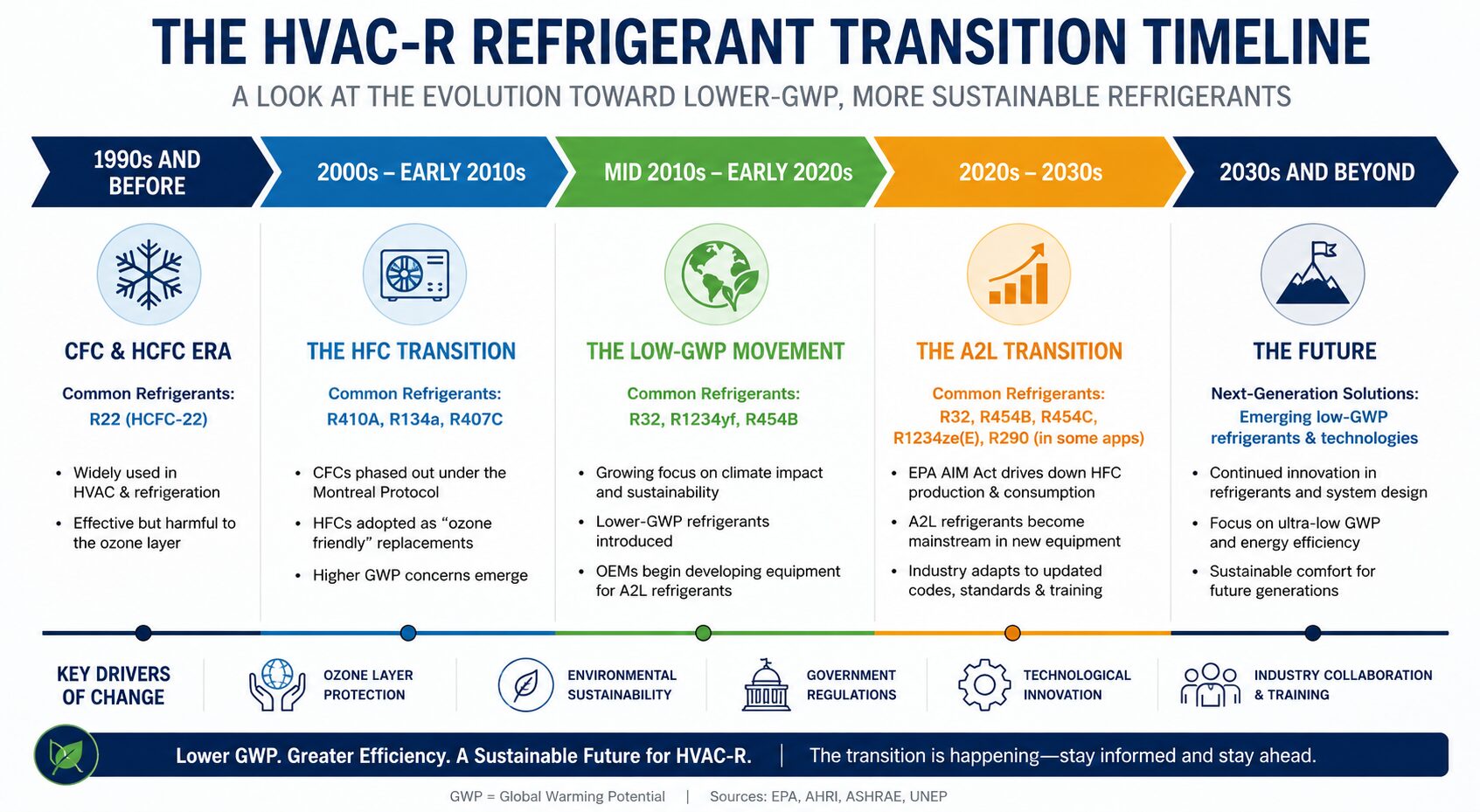
The move toward A2L is primarily driven by environmental regulations and sustainability initiatives aimed at reducing greenhouse gas emissions.
Many traditional refrigerants, including R410A and older HFC blends, have relatively high GWP values. Regulatory programs around the world are encouraging or requiring the use of lower-GWP alternatives.
In the United States, the EPA AIM Act has accelerated the phasedown of higher-GWP HFC refrigerants and increased industry focus on next-generation refrigerants. Similar initiatives are occurring globally as manufacturers and end users look for more sustainable HVAC-R solutions.
A2L refrigerants help support these goals by offering:
As OEMs continue transitioning equipment platforms to lower-GWP refrigerants, A2L adoption is expected to continue increasing across the HVAC-R market.
In the United States, the EPA AIM Act continues driving the phasedown of higher-GWP refrigerants.
Common A2L Refrigerants
Several A2L refrigerants are becoming standard across different HVAC and refrigeration applications.
R454B
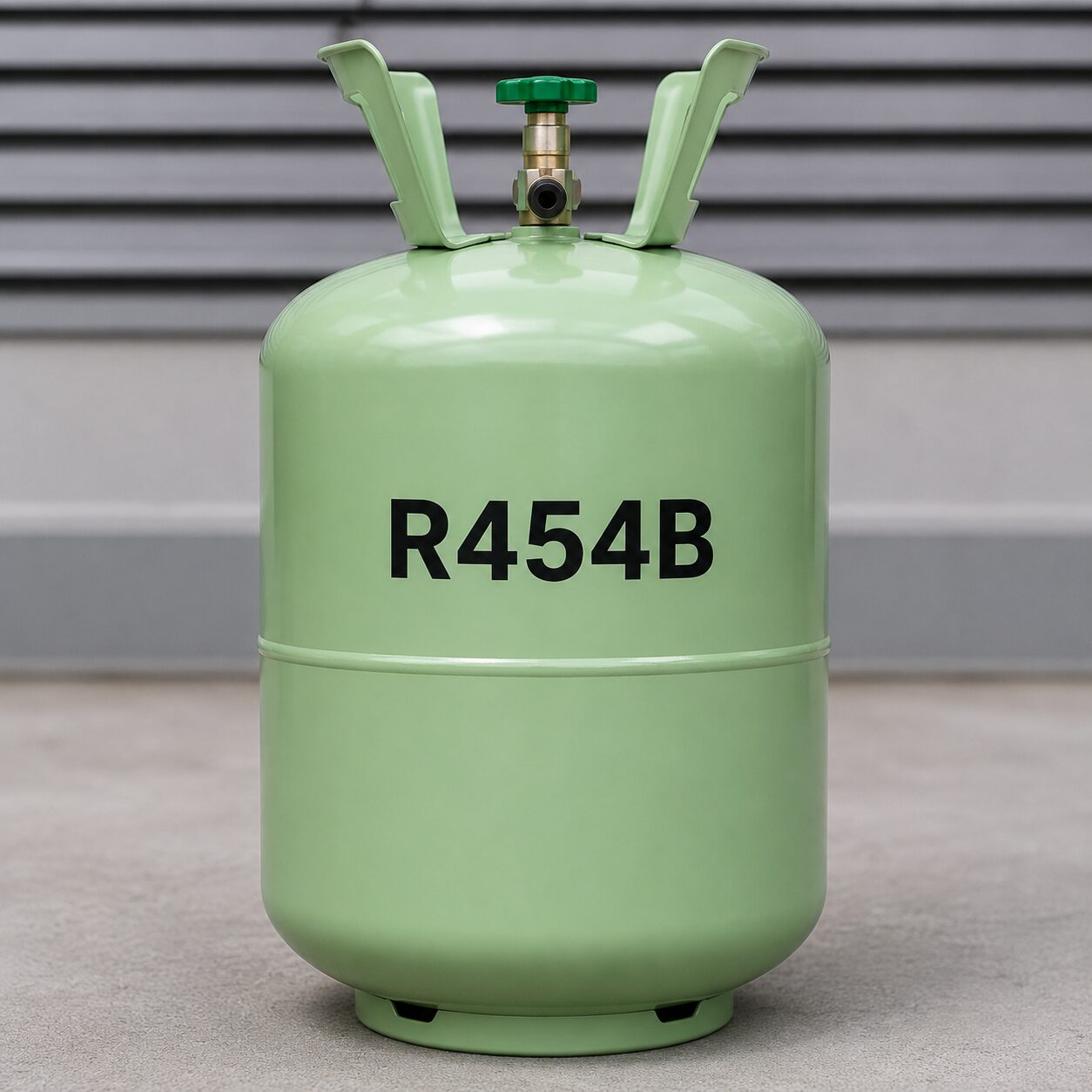
R454B is one of the most widely discussed A2L refrigerants in the HVAC industry today. It is being adopted by many OEMs as a replacement for R410A in residential and light commercial air conditioning systems.
Benefits of R454B include:
R32
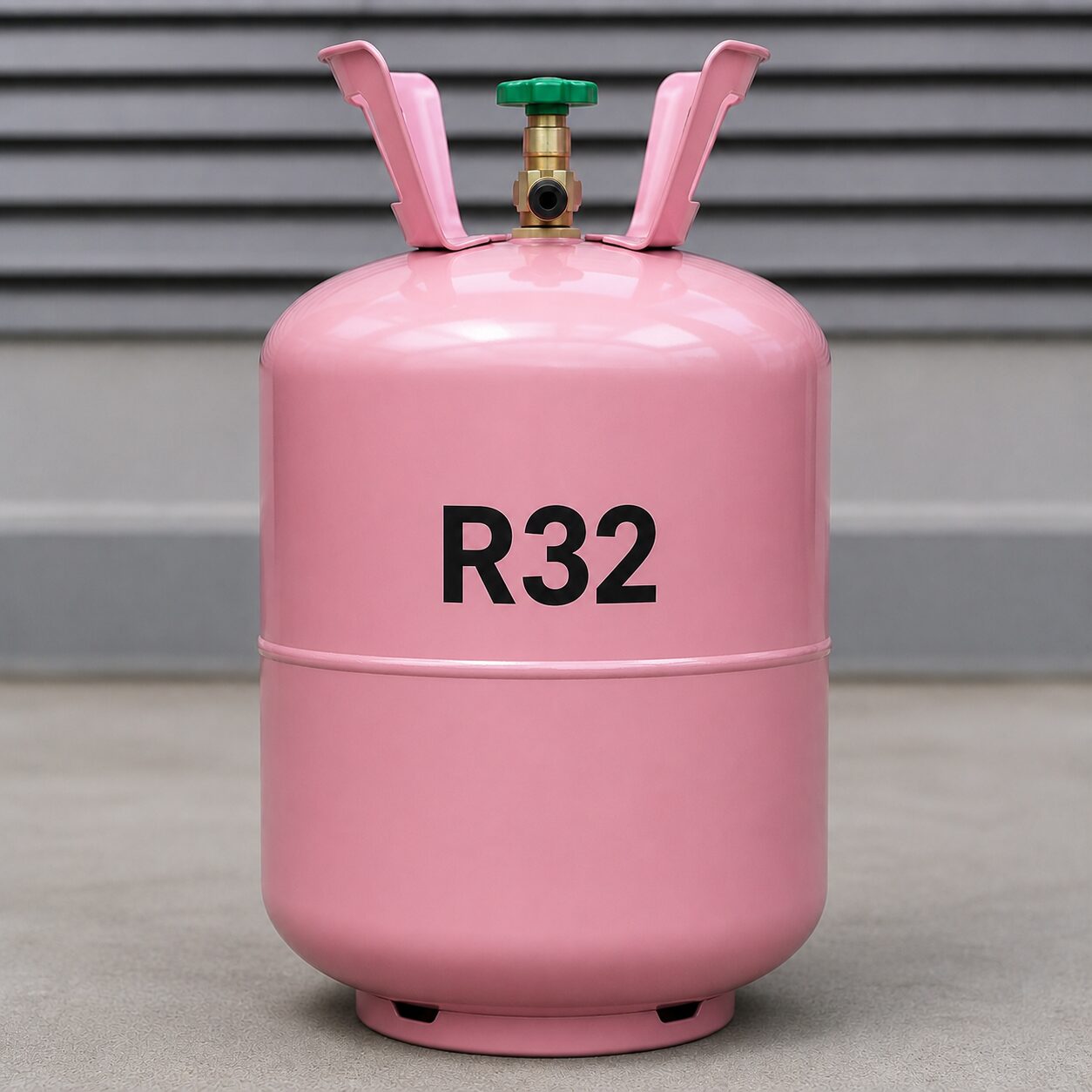
R32 has gained significant popularity globally and is used in many ductless and air conditioning systems.
Key characteristics include:
R1234yf
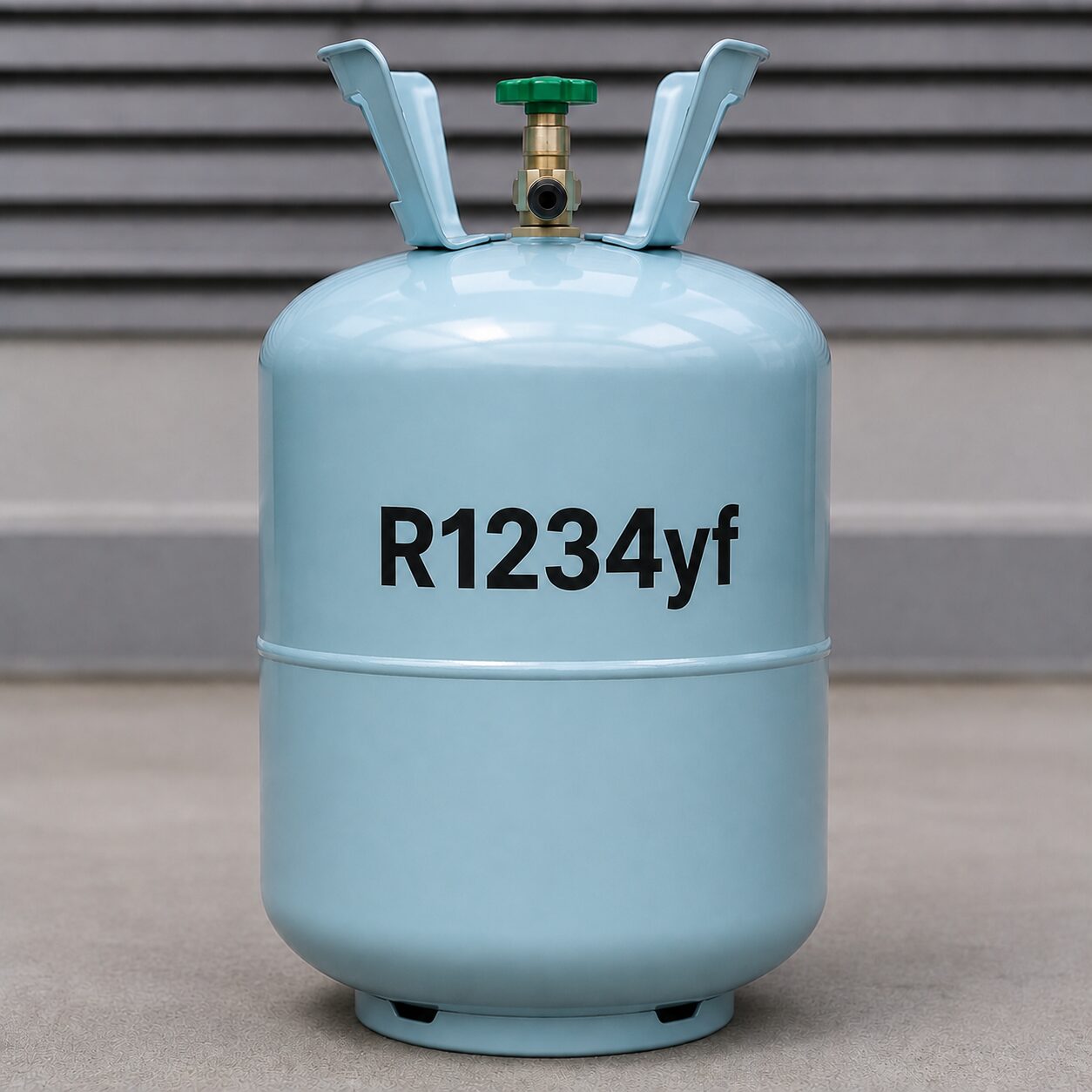
R1234yf is primarily used in automotive air conditioning systems and has become a major replacement for older automotive refrigerants due to its ultra-low GWP.
R1234ze
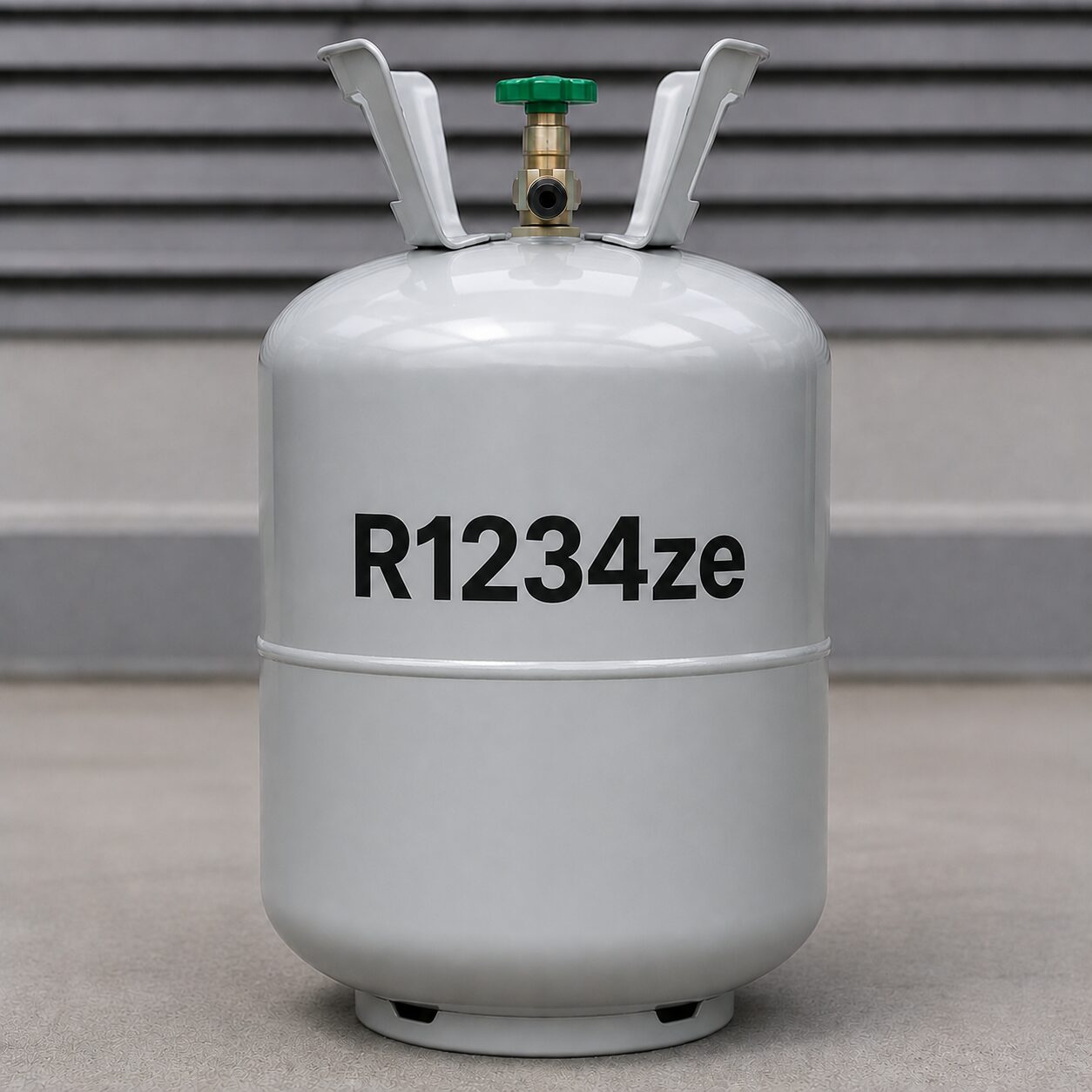
R1234ze is used in a variety of specialty cooling and commercial applications where low environmental impact is a priority.
Are A2l Refrigerants Safe?
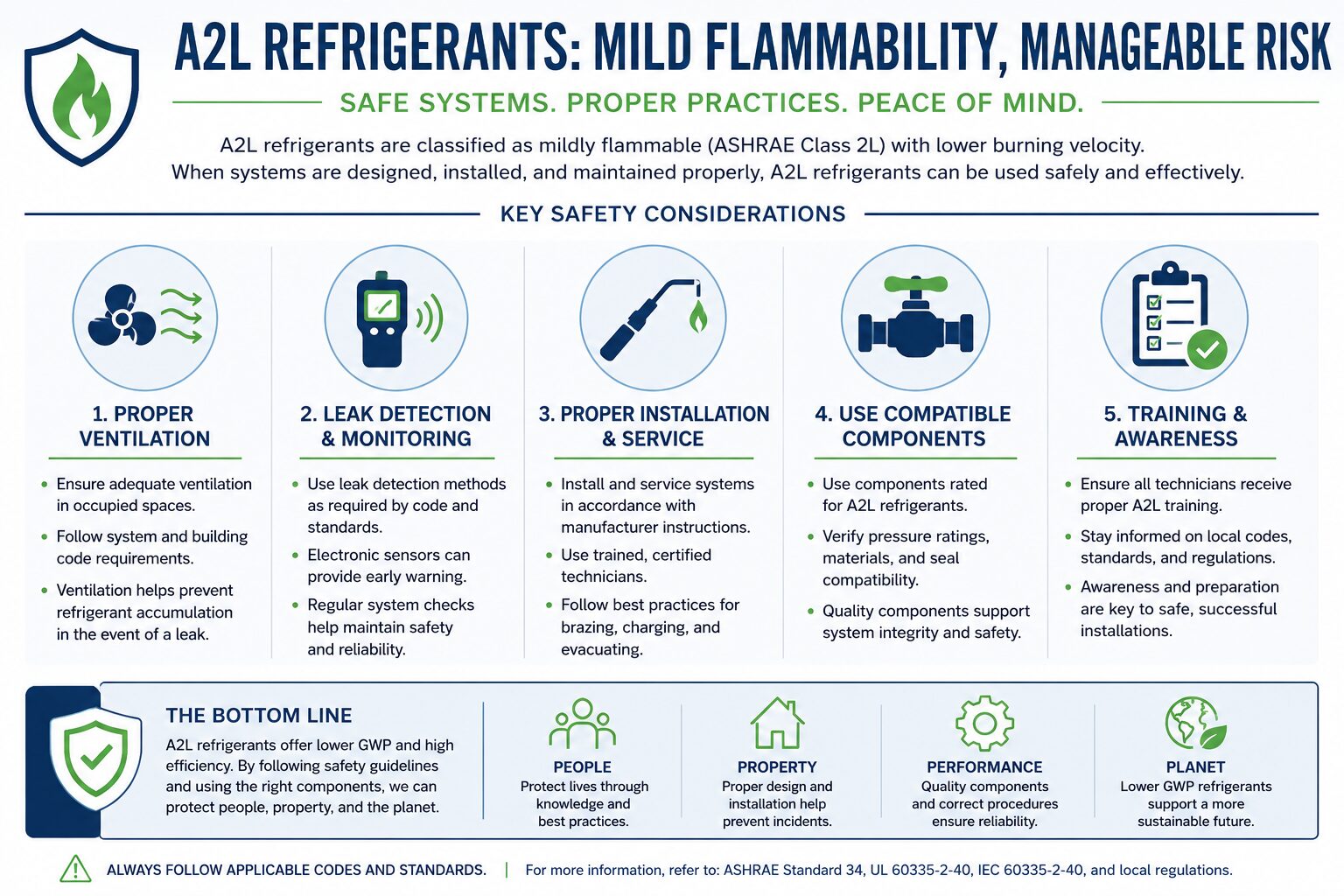
A2L refrigerants are classified as mildly flammable, but they are designed for safe use when systems are properly designed, installed, and maintained according to applicable codes and standards.
The HVAC-R industry has developed extensive safety standards, training programs, and equipment requirements to support the safe use of A2L.
Important considerations include:
While A2L refrigerants require additional awareness compared to non-flammable refrigerants, they are already being widely adopted across the industry.
A2L Refrigerants vs. Traditional Refrigerants
The transition to A2L introduces several important differences compared to traditional refrigerants.
| Feature | A2L Refrigerants | Traditional HFC Refrigerants |
|---|---|---|
| Feature | Mildly flammable | Typically non-flammable |
| GWP | Lower | Higher |
| Environmental Impact | Reduced | Higher |
| Regulatory Outlook | Growing adoption | Ongoing phasedown |
| System Requirements | May require updated standards and components | Existing legacy systems |
As regulations evolve, many HVAC-R manufacturers are redesigning systems specifically for A2L.
What Components Are Compatible with A2L Refrigerants?
As A2L refrigerants become more common, component compatibility is becoming increasingly important across HVAC and refrigeration systems.
System designers, contractors, and OEMs should verify that components are suitable for the intended refrigerant and operating conditions.
Important system components include:
Many modern systems also require properly rated components such as A2L-compatible filter driers designed for today’s refrigerant applications.
How Contractors, OEMs, and Distributors Can Prepare for the A2L Transition
The transition to A2L refrigerants affects multiple parts of the HVAC-R supply chain.
Contractors
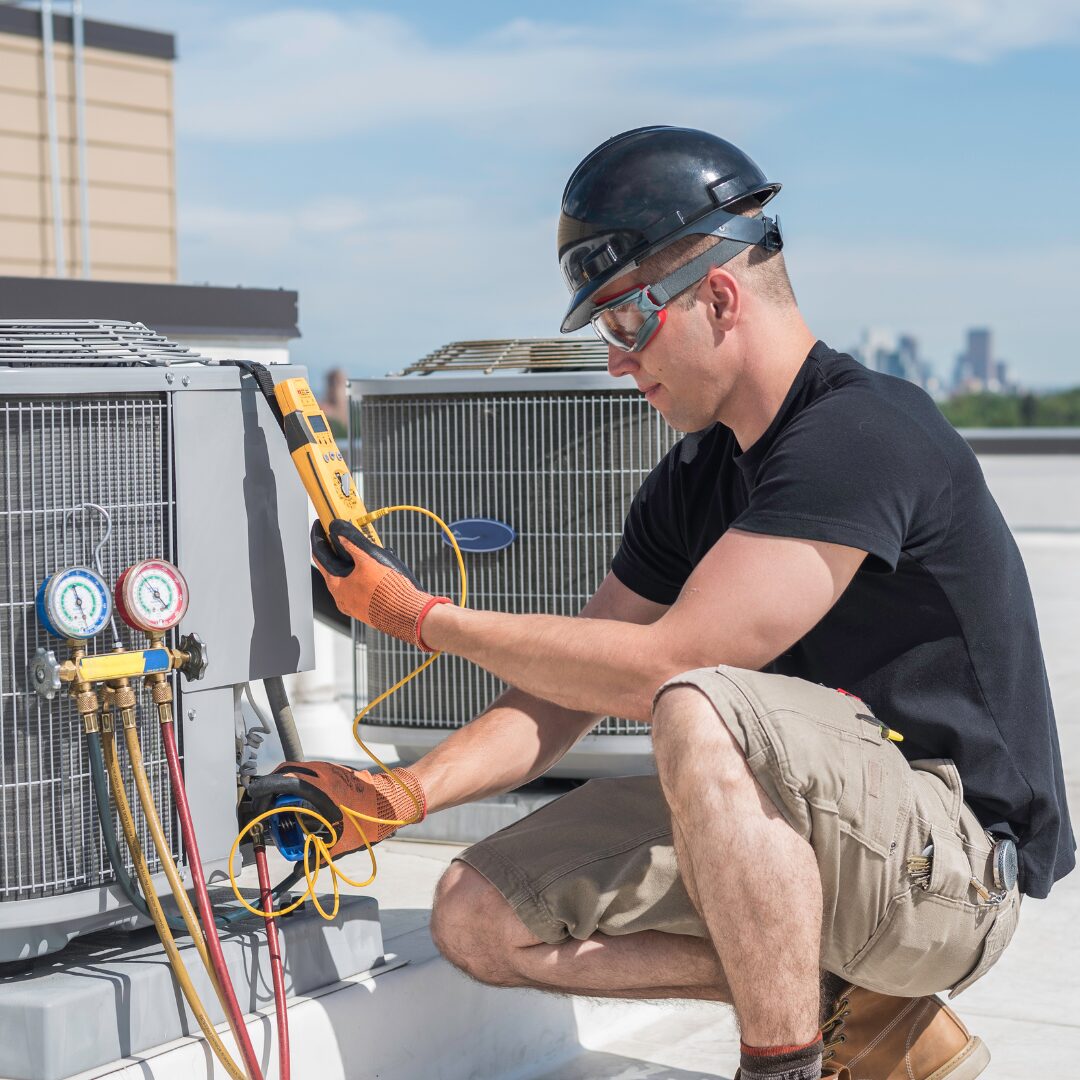
Contractors should focus on:
OEMs

OEMs continue redesigning equipment platforms around lower-GWP refrigerants and updated efficiency standards.
This includes:
Distributors & Wholesalers

Distributors should prepare inventory strategies around:
Providing educational resources and technical guidance can also help support contractors during the transition.
Organizations such as AHRI provide Safe Refrigerant Transition resources to help contractors, distributors, technicians, and other HVAC-R professionals prepare for low-GWP refrigerants and A2L systems.
The Future of A2L Refrigerants
A2L refrigerants are expected to play a major role in the future of HVAC and refrigeration systems.
As sustainability goals, refrigerant regulations, and OEM transitions continue evolving, lower-GWP refrigerants will likely become increasingly standard across the industry.
The future of HVAC-R will likely include:
Businesses that prepare early for the refrigerant transition can position themselves more effectively for the future of the industry.
Frequently Asked Questions About A2L Refrigerants
What does A2L mean in refrigerants?
A2L is an ASHRAE refrigerant safety classification indicating lower toxicity (“A”) and mild flammability with lower burning velocity (“2L”).
Are A2L refrigerants flammable?
Yes, A2L refrigerants are classified as mildly flammable. However, they are designed for safe use when systems are installed and maintained properly.
Is R454B an A2L refrigerant?
Yes. R454B is classified as an A2L refrigerant and is becoming a common replacement for R410A in HVAC systems.
Why is the HVAC industry moving towards A2L?
The transition is primarily driven by environmental regulations, lower GWP targets, and sustainability initiatives.
Do A2L systems require special components?
Systems may require compatible components and updated safety considerations depending on the refrigerant and application.
What is the difference between A1 and A2L?
A1 refrigerants are non-flammable, while A2L refrigerants are mildly flammable with lower burning velocity characteristics.
Are A2L refrigerants environmentally friendly?
Many A2L refrigerants have significantly lower GWP values compared to traditional refrigerants, helping reduce environmental impact.