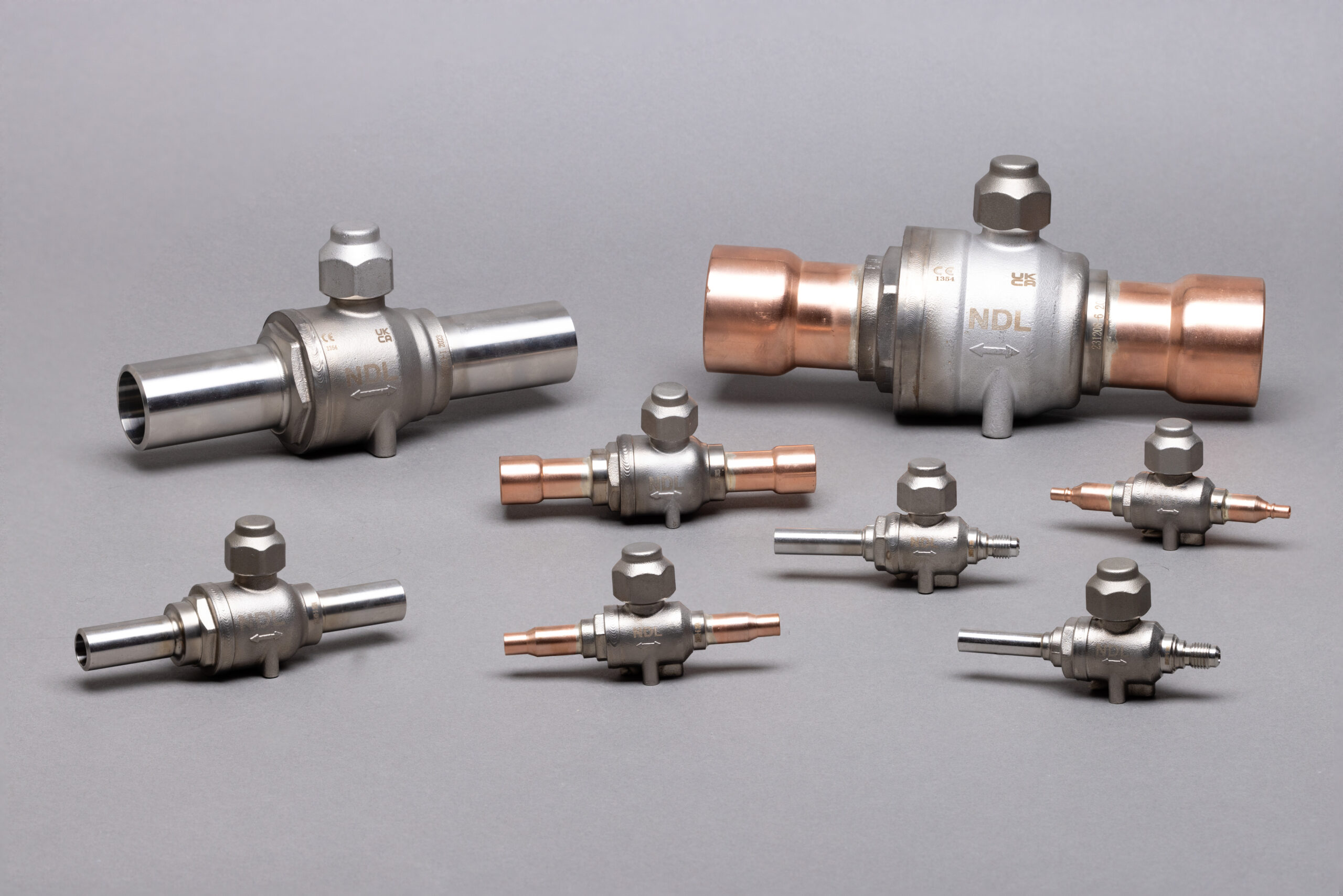
How CO2 Ball Valves Differ From Traditional Refrigeration Ball Valves
As CO2 refrigeration adoption accelerates across North America, contractors and OEMs must clearly understand the difference between CO2 ball valves and refrigeration ball valves.
While both serve as quarter-turn isolation valves, their pressure ratings, construction, and system applications differ significantly. Selecting the correct valve is critical for safety, compliance, and long-term system reliability.
Standard Refrigeration Ball Valves
Standard HVAC R refrigeration ball valves are quarter turn isolation valves designed for conventional refrigerant systems operating within traditional pressure ranges.
These valves are commonly installed in:
Commercial HVAC
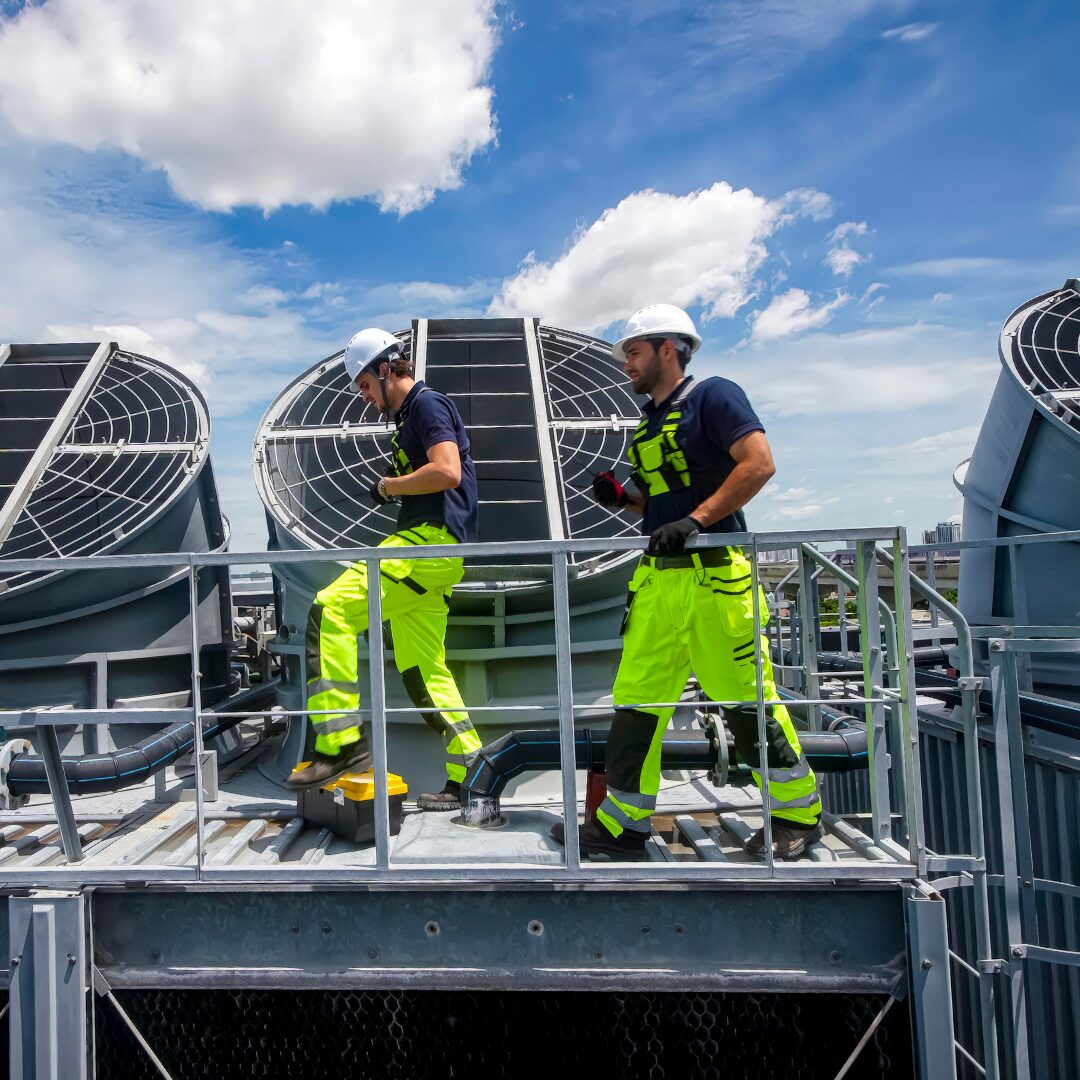
VRV and VRF Systems
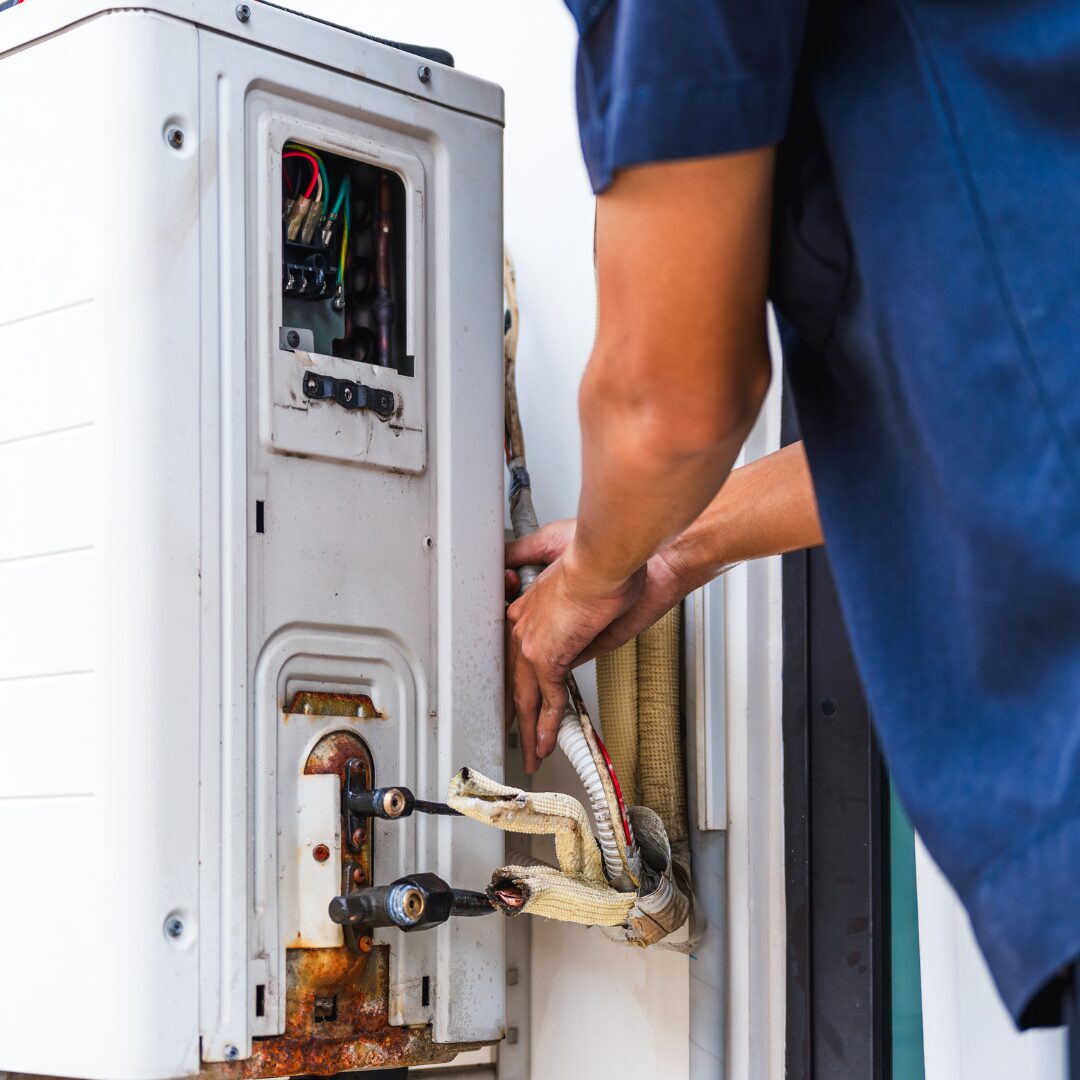
Multi Mini Split
Sub Critical Refrigeration
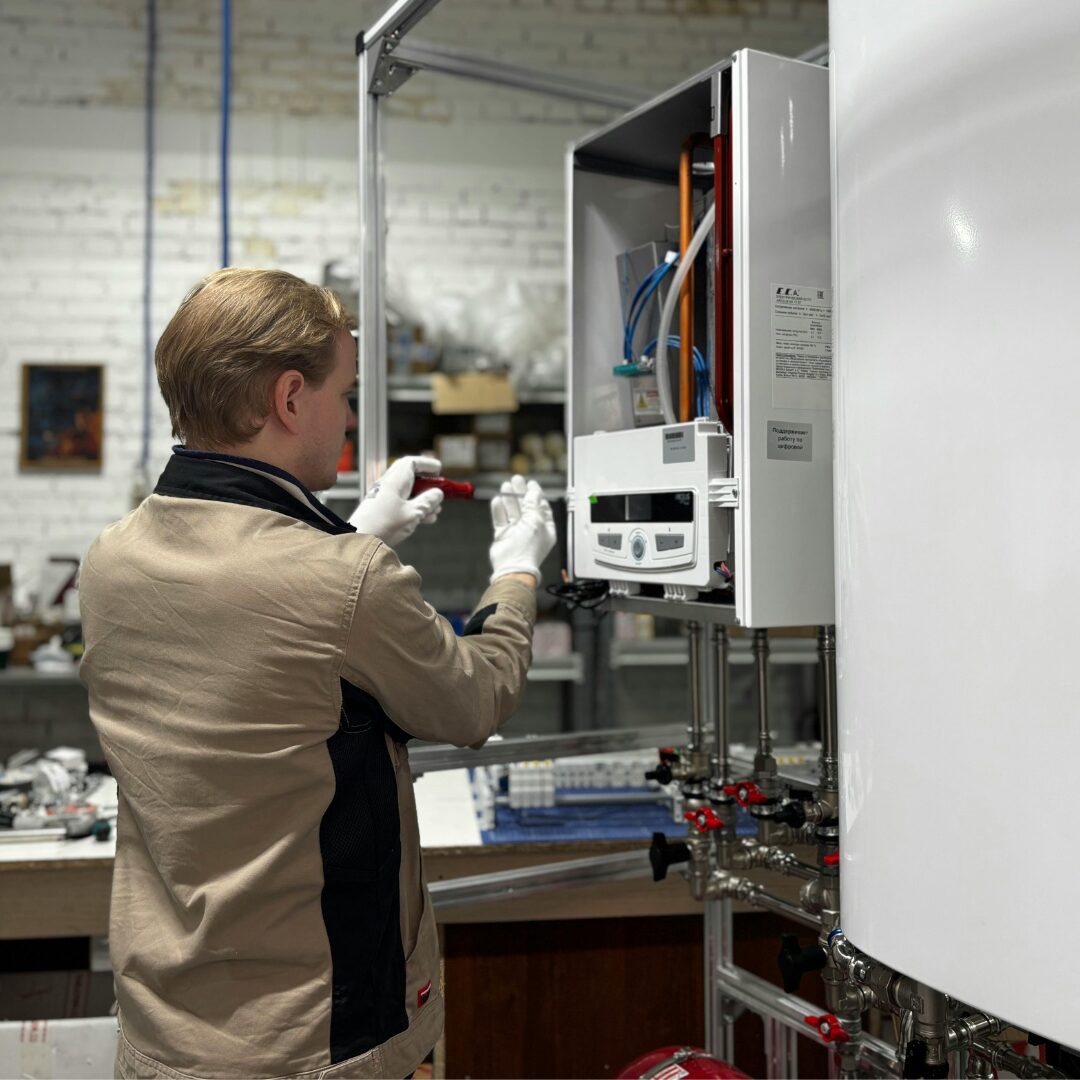
They are engineered for compatibility with widely used refrigerants and typical commercial system pressures. Brass body construction and HVAC-compatible connection types make them ideal for comfort cooling and conventional refrigeration environments.
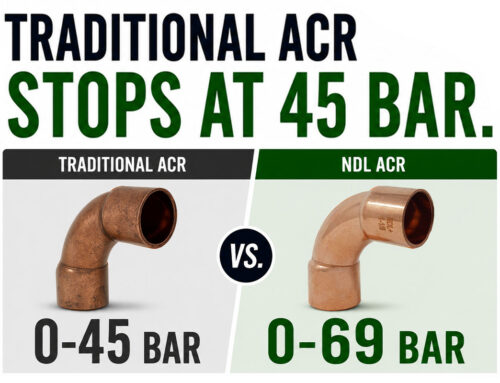
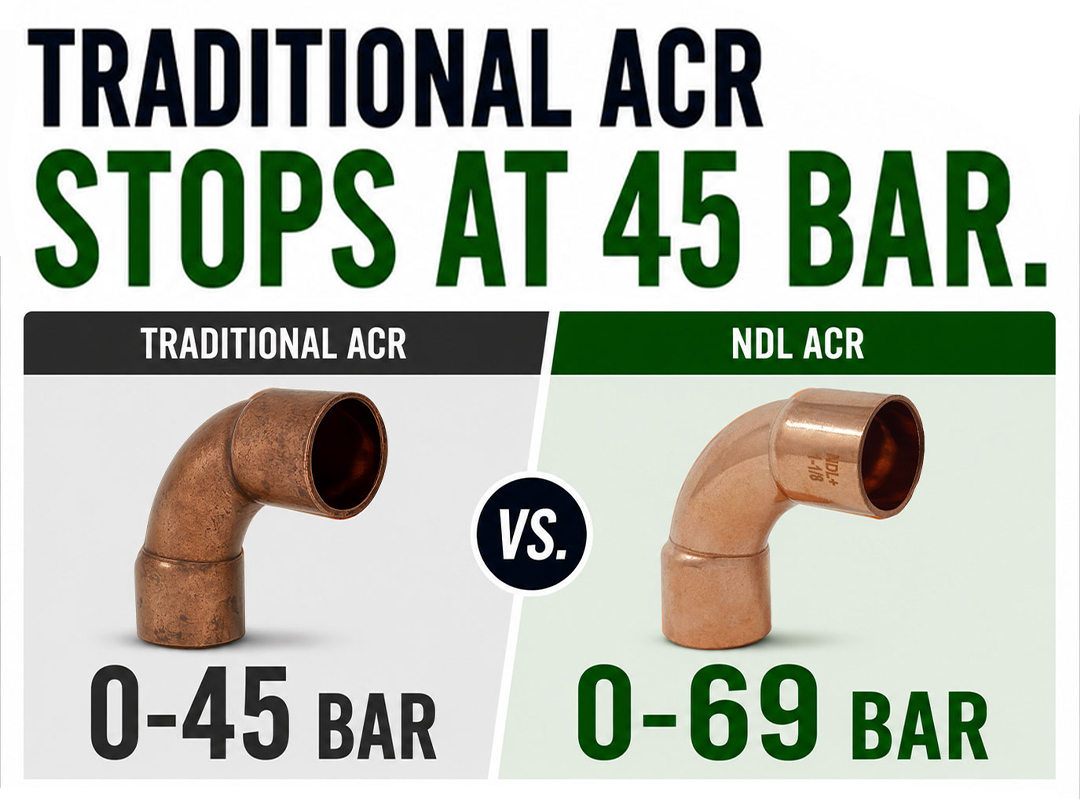
NDL refrigeration ball valves are designed specifically for these applications and are rated up to 900 PSI / 62 BAR.
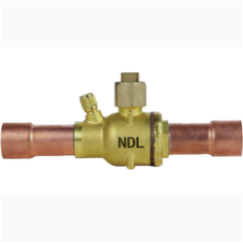
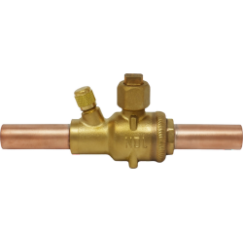
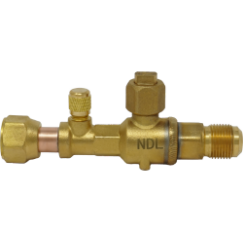
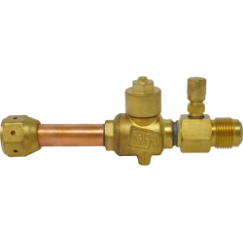
For commercial HVAC and subcritical systems, this pressure rating provides reliable isolation and long term durability.
CO2 Refrigeration Ball Valves
CO2 refrigeration ball valves are engineered specifically for systems using R744, also known as carbon dioxide.
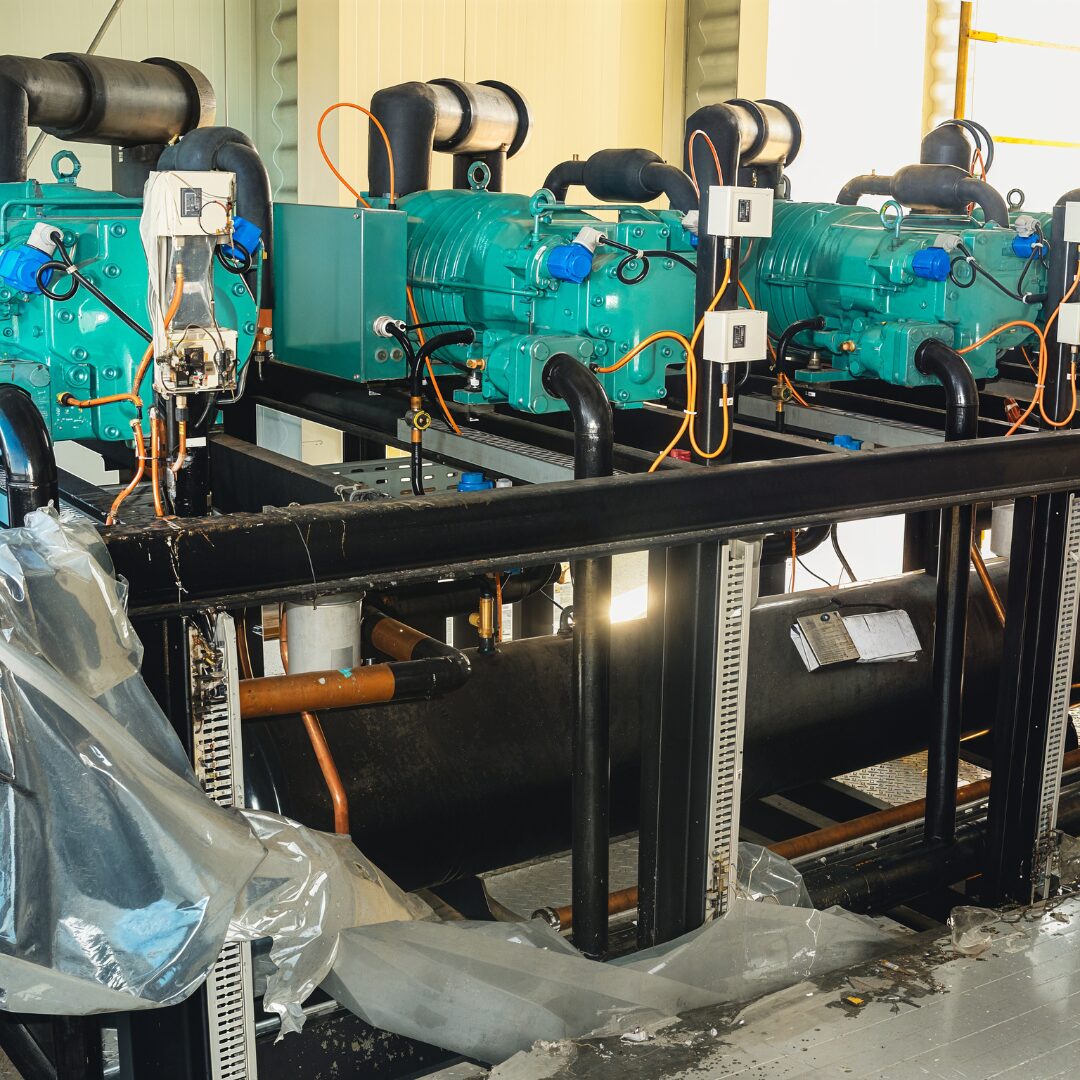
Unlike conventional refrigerants, CO2 is frequently used in transcritical refrigeration systems. In a transcritical cycle, the refrigerant operates above its critical pressure and temperature, resulting in significantly higher operating pressures than traditional HVAC R systems.
CO2 refrigeration systems are commonly found in:
Supermarkets

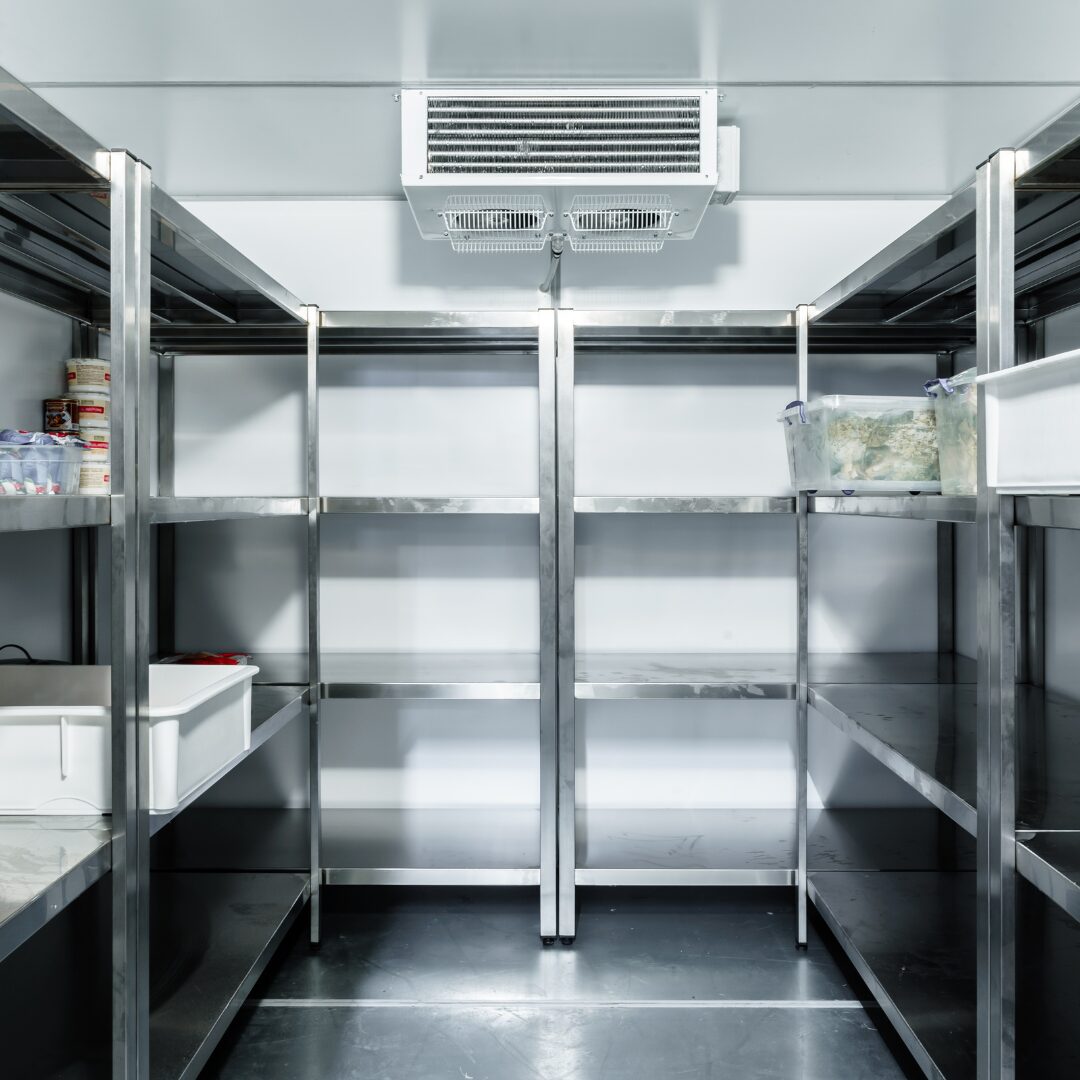
Cold Storage
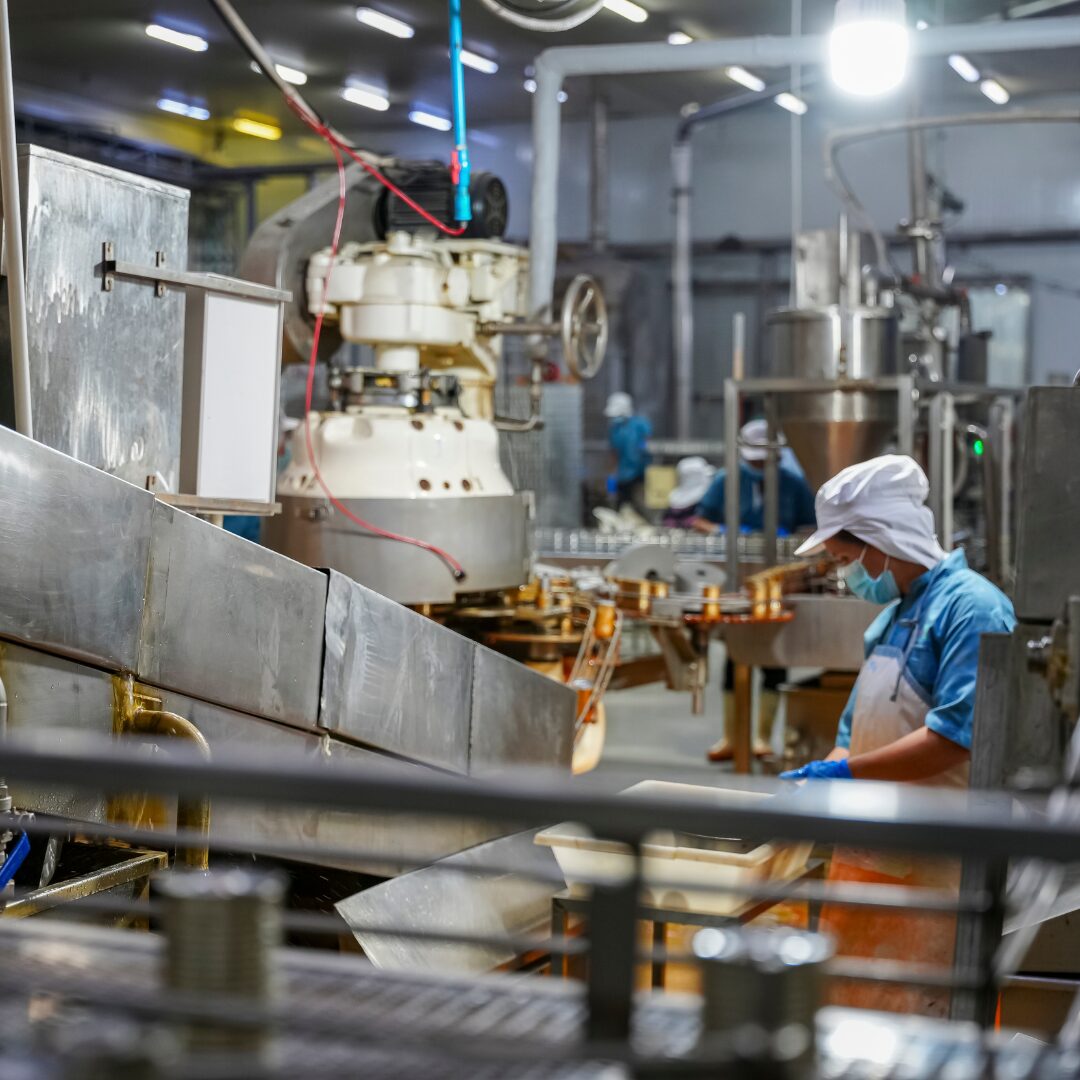
Food processing plants
Commercial Refrigeration
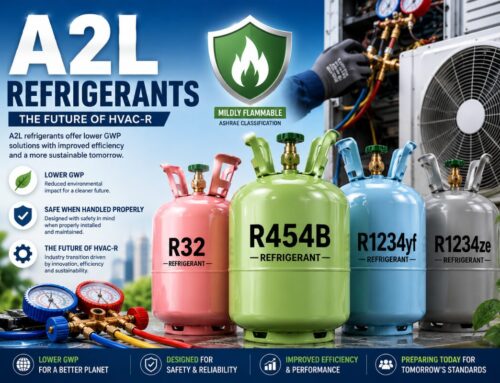
CO2 is gaining adoption because of its extremely low global warming potential and regulatory support. The Environmental Protection Agency SNAP program lists CO2 as an approved low GWP refrigerant
ASHRAE also provides design guidance for CO2 refrigeration systems due to their unique pressure characteristics.
Because of these pressure conditions, CO2 ball valves require reinforced construction. NDL CO2 ball valves feature a full stainless steel body with stainless steel or copper alloy connections, built to perform in high-pressure transcritical environments.
NDL CO2 Ball Valves are rated up to 2030 PSI / 140 BAR.
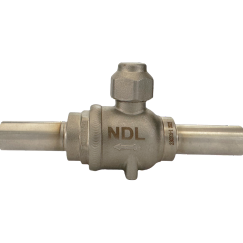
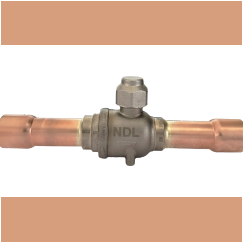
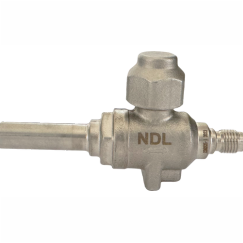
This rating positions them in an entirely different performance category compared to conventional refrigeration ball valves.
Pressure Ratings: Where the Difference Becomes Critical
The most significant engineering distinction between the two valve types is maximum working pressure.
Standard Refrigeration Ball Valves
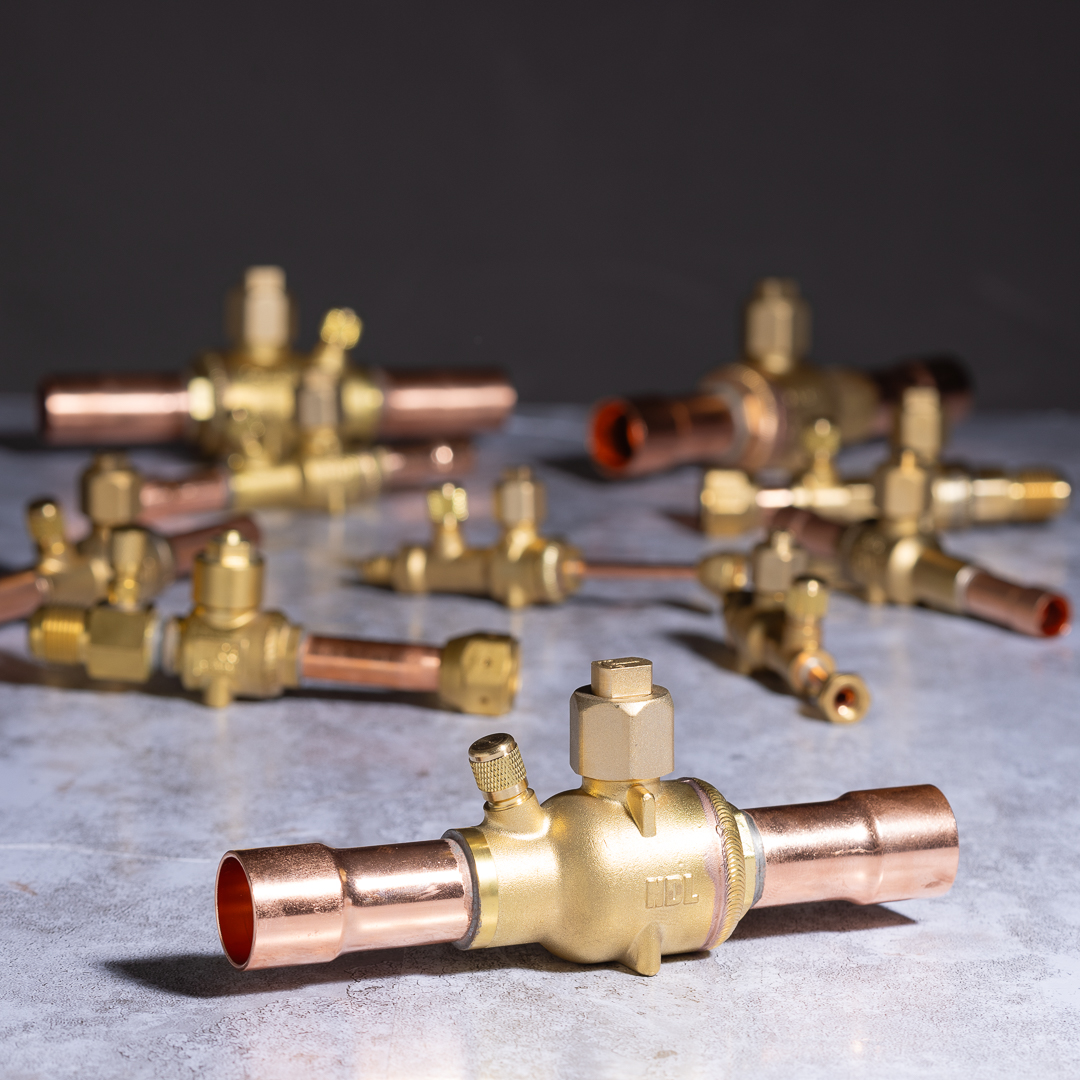
HVAC-R systems using refrigerants such as R410A, R404A, and similar blends typically operate well below 700 PSI under normal conditions. As a result, most standard refrigeration ball valves in the industry are commonly rated between 600 PSI and 800 PSI depending on size and manufacturer.
For commercial HVAC, VRV, VRF, multi mini split, and sub critical refrigeration applications, this pressure range has historically been sufficient to provide safe and reliable isolation.
NDL refrigeration ball valves are rated up to 900 PSI or 62 BAR, meeting and exceeding the working pressure requirements for conventional HVAC R systems
CO2 Refrigeration Ball Valves
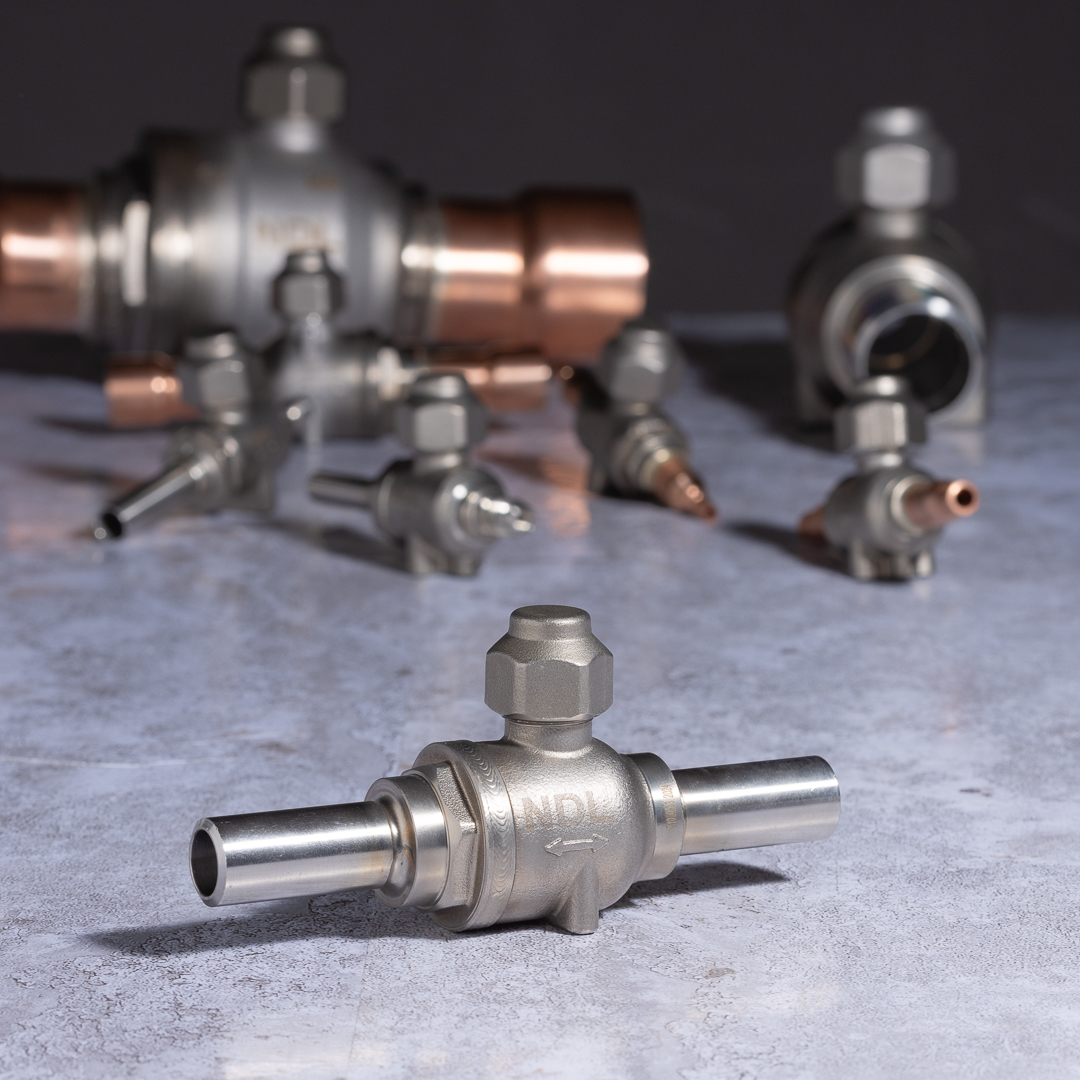
In transcritical R744 systems, normal operating pressures frequently exceed 1000 PSI and can climb significantly higher depending on ambient conditions and system design. Because of this, industry practice requires valves and components specifically engineered for high-pressure CO2 applications.
Many CO2 ball valves in the industry are rated around 1500 PSI to 2000 PSI, depending on configuration.
NDL CO2 ball valves are rated up to 2030 PSI or 140 BAR, meeting and exceeding the working pressure requirements for modern transcritical refrigeration systems.
The rapid expansion of CO2 installations across North America has reinforced the need for properly rated high pressure components. (North American Sustainable Refrigeration Council)
Comparison Table: CO2 Ball Valves vs. Standard Refrigeration Ball Valves
| NDL Standard Refrigeration Ball Valves | NDL CO2 Ball Valves |
|---|---|
| Maximum Pressure: 900 PSI / 62 BAR | Maximum Pressure: 2030 PSI / 140 BAR |
| Body Construction: Brass | Body Construction: Full stainless-steel |
| Connections: Standard HVAC compatible | Connections: Stainless-steel or copper alloy |
| Primary Application: Commercial HVAC, VRV, VRF, multi mini split, sub-critical refrigeration | Primary Application: Commercial Transcritical CO2 refrigeration systems |
| Designed for: Conventional refrigerant systems | Designed For: High-pressure for R744 environments |
Material and Construction Differences
Material selection in refrigeration valves is driven by pressure class, mechanical load, and long-term performance requirements.
Standard refrigeration ball valves are commonly manufactured using brass bodies suitable for conventional refrigerant pressures and commercial HVAC applications. When operating within traditional system envelopes, this construction provides reliable performance and durability.
CO2 refrigeration systems introduce substantially higher operating pressures and, in many cases, higher differential pressure across the valve during operation. Elevated differential pressure places additional stress on valve bodies, stems, and internal sealing components.
For this reason, high-pressure CO2 ball valves require reinforced mechanical design and sealing systems capable of resisting deformation under load. In high pressure environments, conventional seat materials such as standard PTFE may deform under sustained differential pressure, which can affect long-term shut-off performance.
Manufacturers address these demands through material selection, body thickness, and advanced sealing technologies appropriate for the intended pressure class and certification requirements.
NDL CO2 ball valves utilize full stainless-steel body construction as part of our engineering approach to meet the structural and performance demands of transcritical refrigeration systems.
These construction decisions are driven by pressure conditions and system physics rather than cosmetic differentiation.
Why Proper Valve Specification Matters
Installing a valve rated for 900 PSI in a system that may exceed 1000 PSI during normal operation creates significant risk.
Improper valve selection can result in:
By contrast, properly specified CO2 ball valves rated up to 2030 PSI are engineered to maintain structural integrity under high-pressure operating conditions.
Correct valve selection is a safety decision, not simply a cost decision.
Frequently Asked Questions
Engineering the Right Valve for the Right Pressure
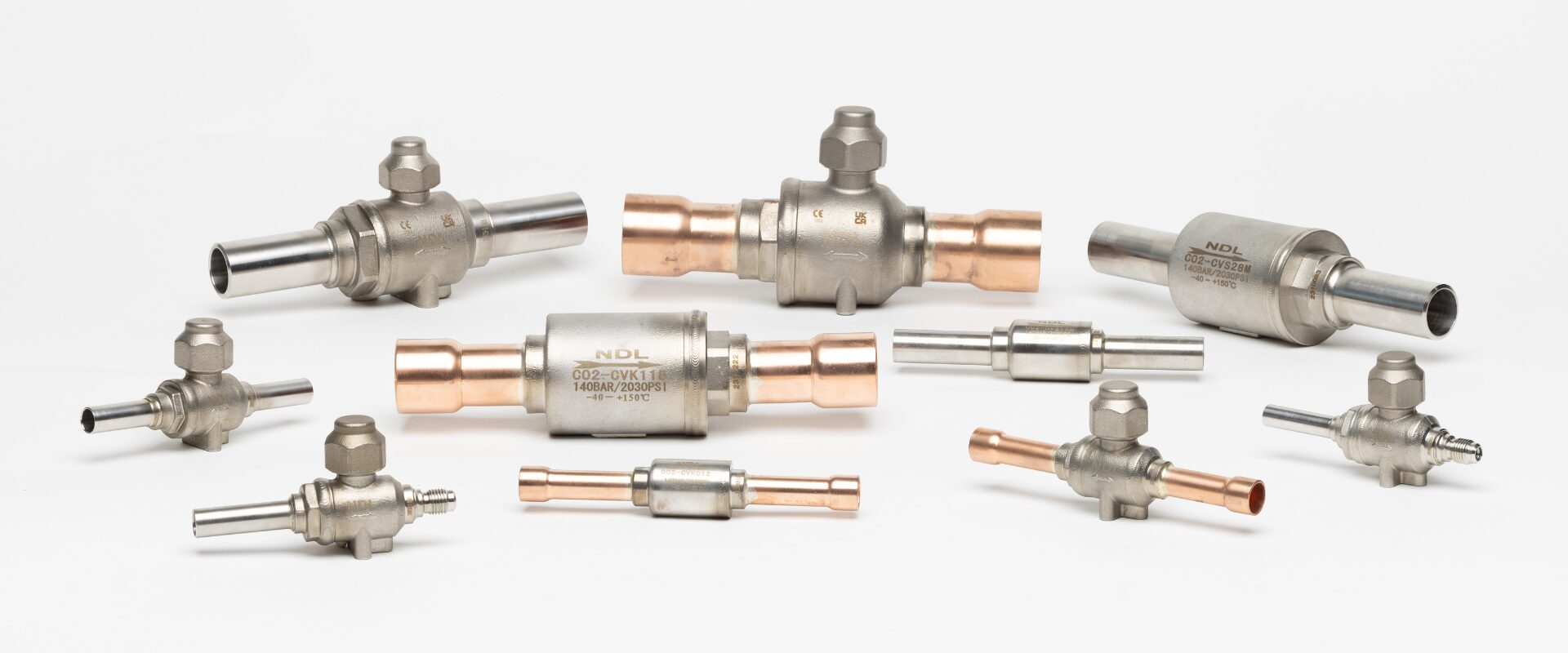
Although CO2 ball valves and conventional HVAC R refrigeration ball valves may appear similar externally, they are designed for entirely different pressure classes and system demands.
As transcritical CO2 adoption continues to expand across North America, component specification becomes increasingly critical. Isolation valves must align with refrigerant type, operating envelope, and long-term system performance expectations.
Understanding these distinctions ensures safer installations, stronger compliance, and greater confidence in system reliability. In modern refrigeration design, valve selection is an engineering decision, not a commodity choice.