
What They Mean and Why They Matter
If you’ve ever looked at HVAC-R equipment, materials, tools, or components, you’ve probably seen a long list of certifications and approvals, such as UL, CRN, CE, or NSF. For many people, these marks are familiar but not fully understood.
So what do they actually mean, and why do they matter?
This guide breaks down the most common certifications in the HVAC-R industry, what they represent, and how they impact safety, compliance, and product performance.
Why Certifications Exist in HVAC-R
Certiciations are not just labels; they serve three critical purposes:
Understanding the Different Types of Certifications
Not all certifications serve the same purpose; they can generally be grouped into categories based on what they evaluate.
Certification Comparison Overview
| Certification | Primary Focus | Region | Required or Voluntary | Typical Use Case |
|---|---|---|---|---|
| UL | Safety testing | North America | Often required | Electrical and mechanical components |
| CSA | Safety testing | Canada | Often required | Electrical and mechanical components |
| FM | Safety and risk prevention | Global | Often required in commercial specs | Industrial and insured systems |
| CRN | Pressure approval | Canada | Required | Pressure vessels and piping |
| ANSI / ASME | Engineering and design standards | North America | Required in many codes | Boilers, pressure systems |
| ASTM | Material and testing standards | Global | Voluntary but widely adopted | Material consistency and performance |
| CE | Regulatory compliance | Europe | Required | Market access in EU |
| PED | Pressure equipment regulation | Europe | Required (with CE) | Pressure systems and vessels |
| TSSA | Provincial safety compliance | Ontario Canada | Required | Pressure Equipment in Ontario |
| NSF | Health and safety | North America | Required for potable water | Plumbing and Hydronics |
| WRAS | Water safety compliance | United Kingdom | Required in many cases | Potable water systems |
| RoHS | Environmental compliance | Global | Required in many markets | Electrical and electronic components |
| IAPMO | Plumbing and mechanical code | North America | Required in many jurisdictions | Plumbing systems |
| AHRI | Performance and certification | North America | Voluntary but widely used | HVAC system performance |
| ISO (e.g. ISO 9001) | Quality management systems | Global | Voluntary | Manufacturing processes and quality systems |
Safety and Product Testing Certifications
UL Certified
Products used in high pressure refrigeration systems must meet strict safety requirements, which is why our CO2 Copper Fittings are designed and tested to meet UL certification standards
For a deeper understanding of how UL evaluates product safety, the UL Solutions certification overview explains the testing and compliance process
CSA Certification
CSA provides safety certification widely used across Canada for electrical and mechanical products
FM Approved
FM Approvals focuses on loss prevention and product reliability in commercial and industrial applications
Pressure and Mechanical Compliance
CRN Approved
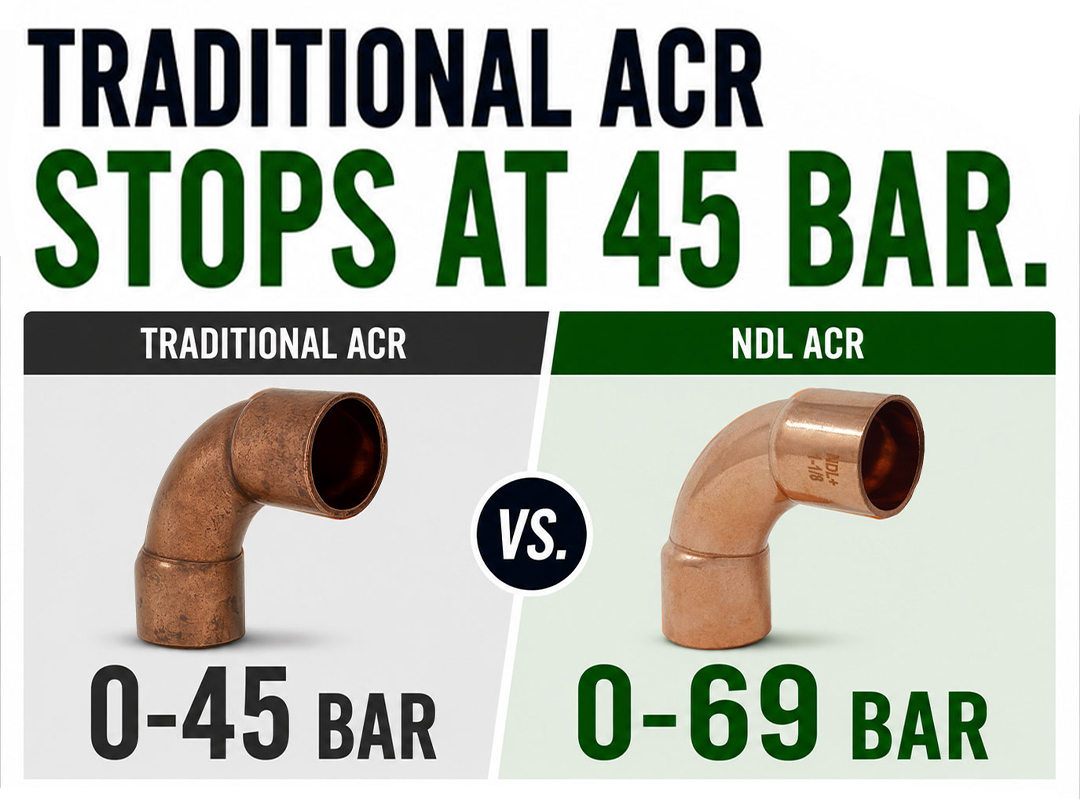
For systems operating in Canada, using compliant components is critical, which is why our ACR Copper Fittings are fully CRN approved for use across multiple provinces
The Technical Standards and Safety Authority explains that a Canadian Registration Number is issued by a provincial safety authority and allows the installation and use of approved pressure equipment
ANSI and ASME Standards
ASME develops widely recognized codes and standards for pressure systems and mechanical design
ASTM Standards
Material consistency plays a major role in long term system performance, which is why organizations like ASTM International develop widely adopted testing and material standards
Regional and Regulatory Approvals
CE Marking
As global adoption of CO2 systems continues, components like our CO2 Ball Valves are designed to meet CE approval, allowing them to be used in European applications
PED (Pressure Equipment Directive)
The Pressure Equipment Directive defines safety requirements for pressure equipment in the European Union and is required alongside CE marking for applicable products
TSSA
The Technical Standards and Safety Authority regulates safety compliance for pressure equipment in Ontario
Health and Environmental Standards
NSF Certification
NSF certification ensures products are safe for use in potable water and public health applications
WRAS
WRAS approval confirms compliance with potable water regulations in the United Kingdom
RoHS Compliance
The European Commission outlines restrictions on hazardous substances in electrical and electronic equipment (RoHS)
Plumbing and System Compliance
IAPMO
IAPMO develops and certifies products to meet plumbing and mechanical code requirements
Performance and Quality Certifications
AHRI Certification
AHRI verifies HVAC equipment performance to ensure products meet published ratings
ISO (such as ISO 9001)
ISO standards define quality management systems that ensure consistent manufacturing and processes
Why Certifications Matter by Region
Certification requirements can vary significantly depending on where a product is being installed.

United States
In high pressure refrigeration applications, components must meet strict safety requirements, which is why our CO2 Copper Fittings are designed and tested to meet UL certification standards for use across US systems
Canada
Because approvals are handled provincially, compliance is critical. This is why our ACR Copper Fittings are fully CRN approved for use across Canada
Europe
This is why our CO2 Ball Valves are designed to meet CE approval for European applications
Global and Export
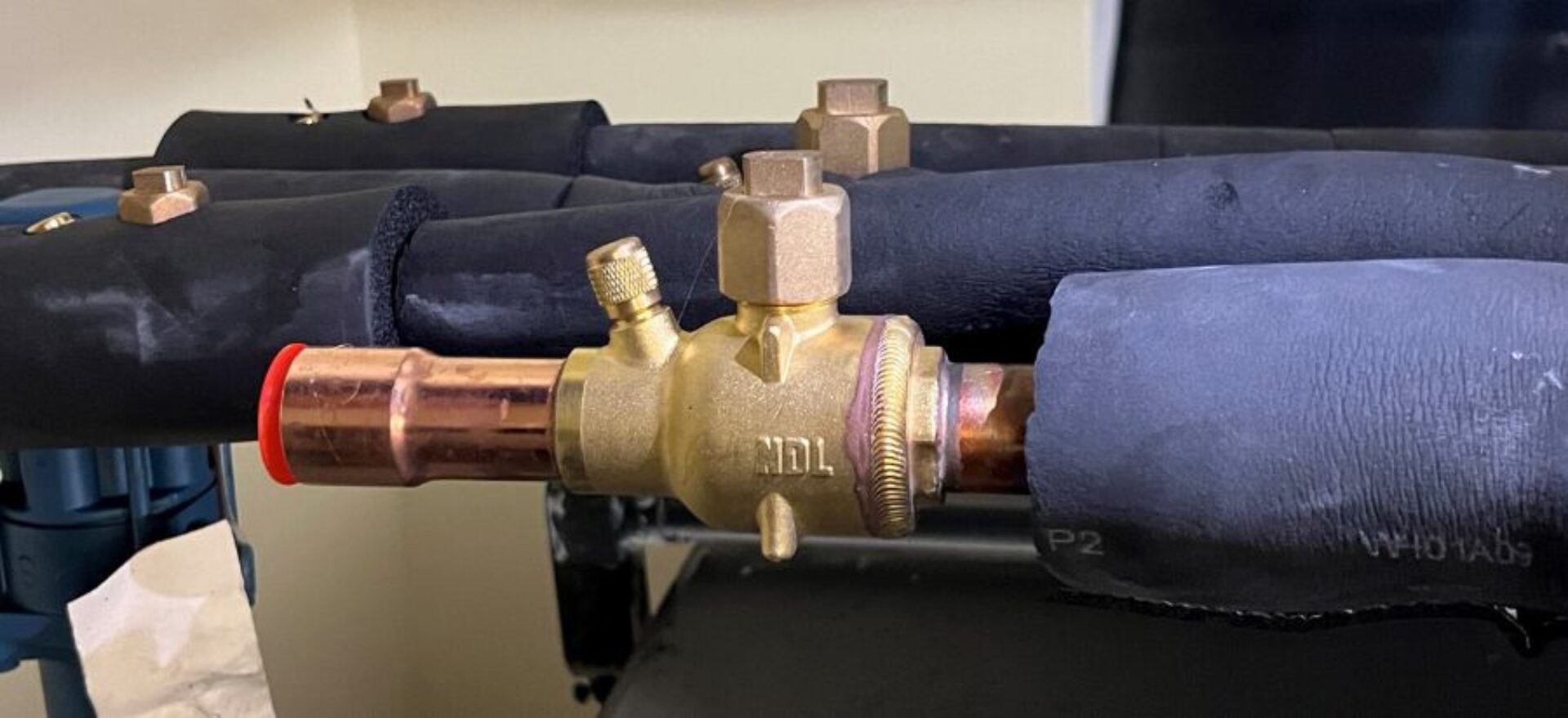
For applications that span multiple regions, using components with multiple approvals is critical. Our Refrigeration Ball Valves are designed to meet UL, CRN, and CE certifications, allowing them to be used confidently across North America and international markets
What Happens If a Product Is Not Certified
Using non-certified products can lead to serious issues:
In many cases, certification is not optional. It is required to complete a project.
Why Certifications Matter to You
Whether you are a contractor, distributor, or engineer, certifications help you
They are not just technical details. They are critical decision-making tools.
Building Confidence in Every Installation
Every certification represents a level of testing, validation, and accountability. When you understand what these approvals mean, you can confidently select products that meet both code and performance expectations. That confidence carries through every installation.