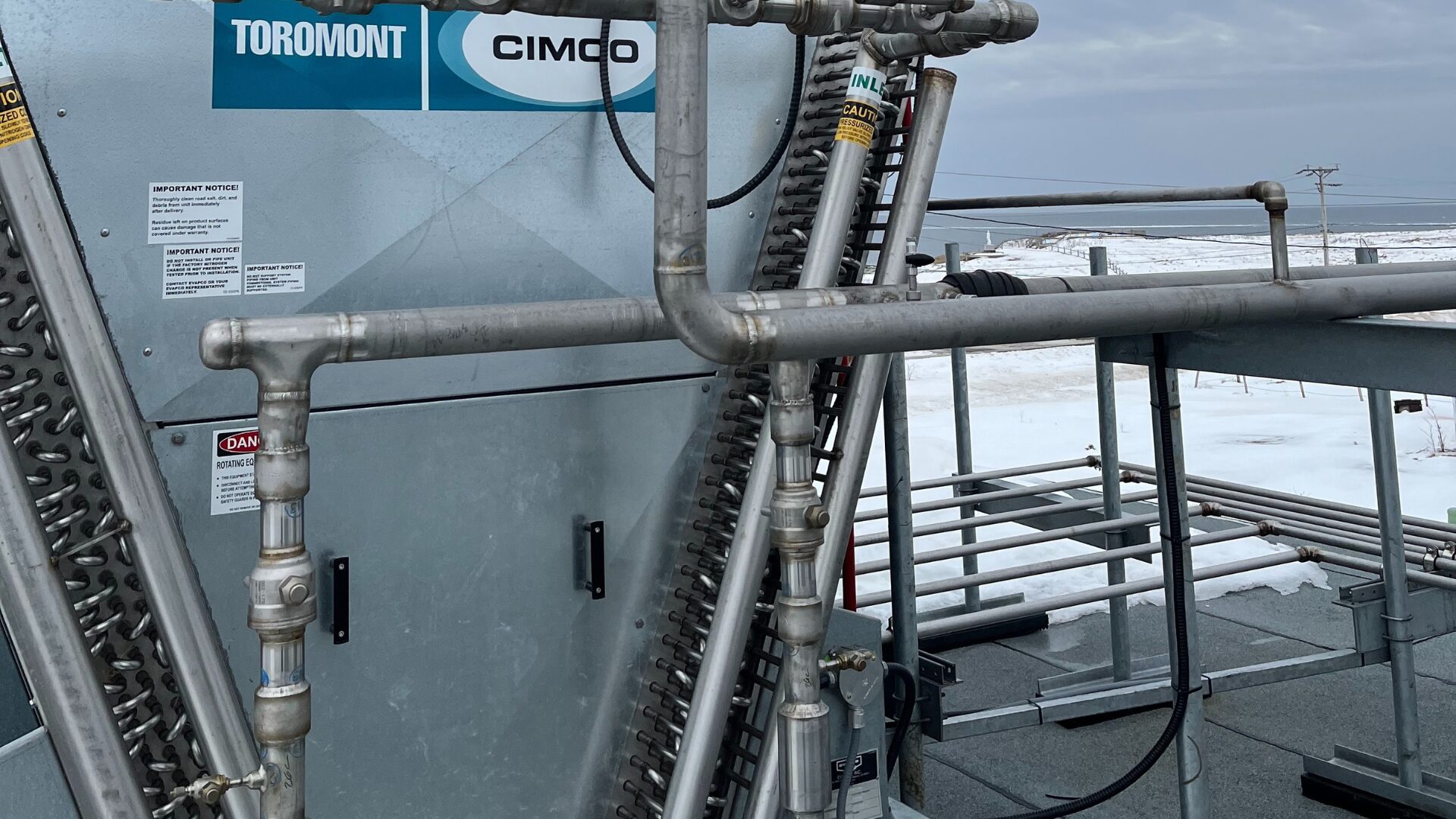
Technical Overview
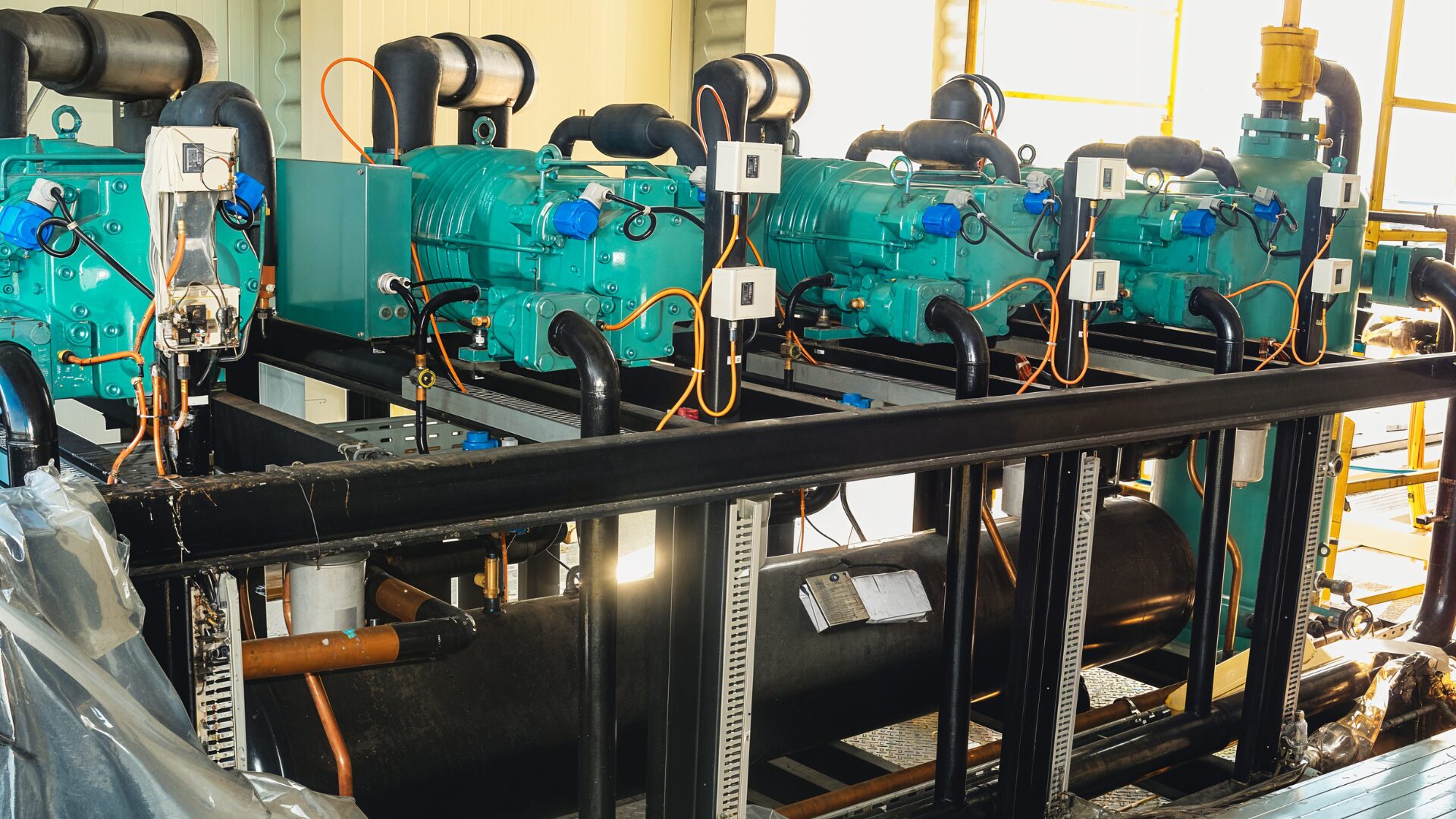
CO₂ refrigeration systems operate under conditions that differ fundamentally from conventional refrigerant systems. Elevated operating pressures transcritical behavior and rapid pressure and temperature changes require a higher level of precision in system design installation and service. Small deviations in component selection control strategy or installation quality can quickly lead to instability or premature failure.
This article provides a technical overview of common CO₂ refrigeration issues encountered in both design and field operation. The focus is on pressure management oil circulation mechanical integrity and control accuracy with practical guidance tailored to OEM design engineers and field technicians.
High Pressure Operation and System Stability
Guidance for OEM Design Engineers
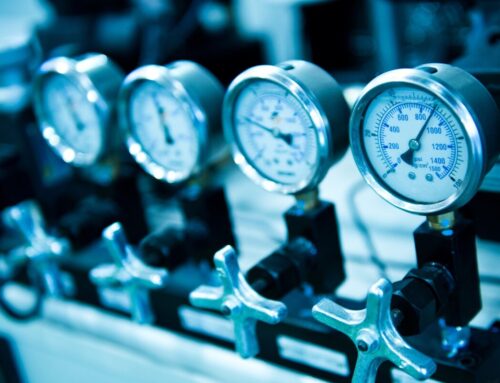
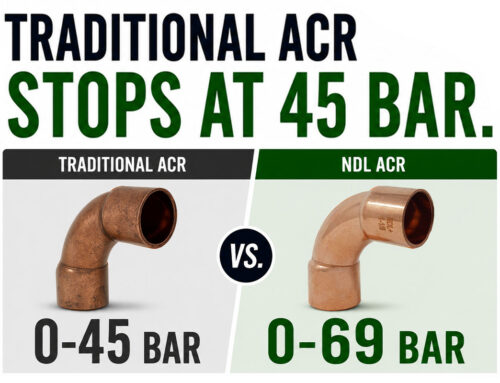
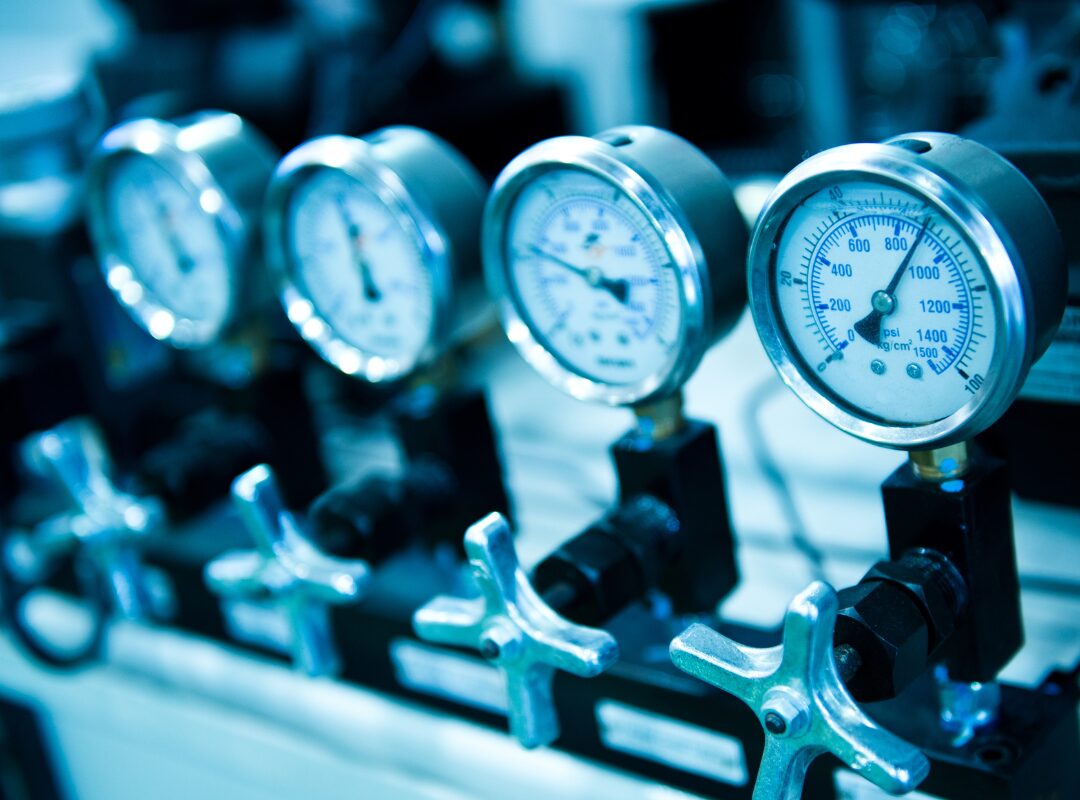
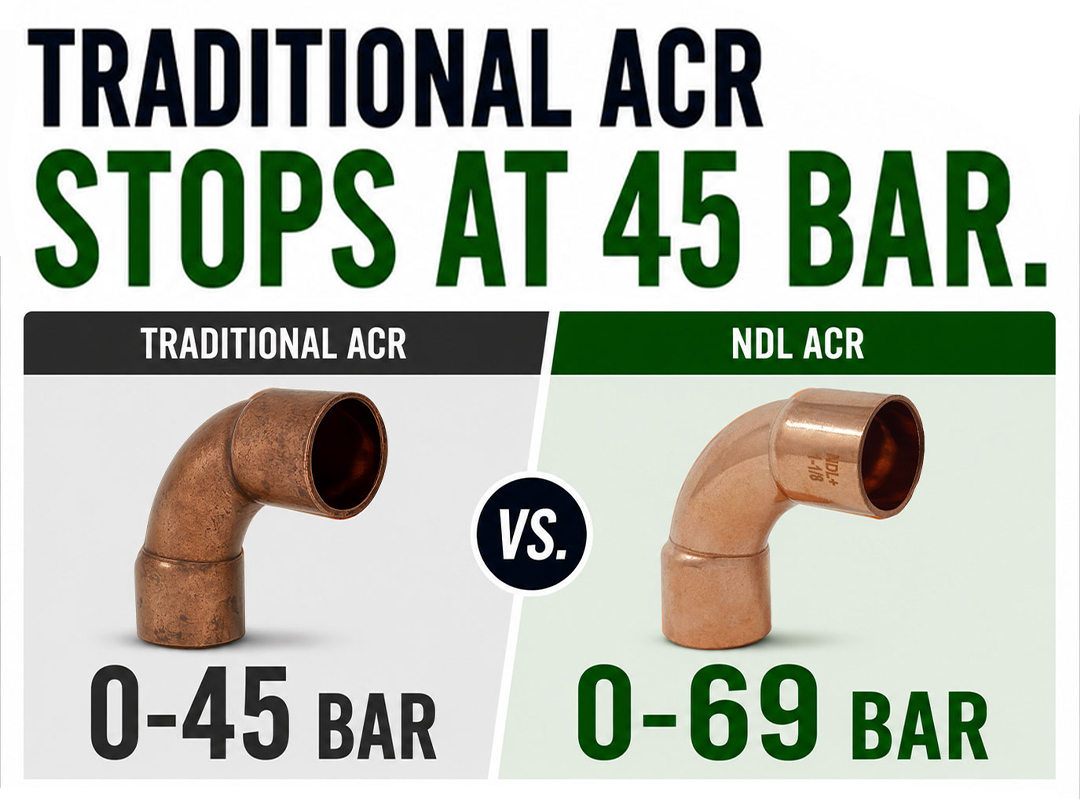
CO₂ systems routinely operate above 1300 PSI / 89.6 BAR during transcritical conditions. Pressure instability often originates from valve sizing errors, insufficient pressure relief capacity, or flow restrictions introduced by component selection.
Design engineers should verify that all high-pressure components are rated specifically for CO₂ service with appropriate safety margins. Pressure control strategies for the gas cooler should be validated under peak ambient conditions and partial load operation. Material selection and internal geometry must account for repeated pressure cycling and temperature variation
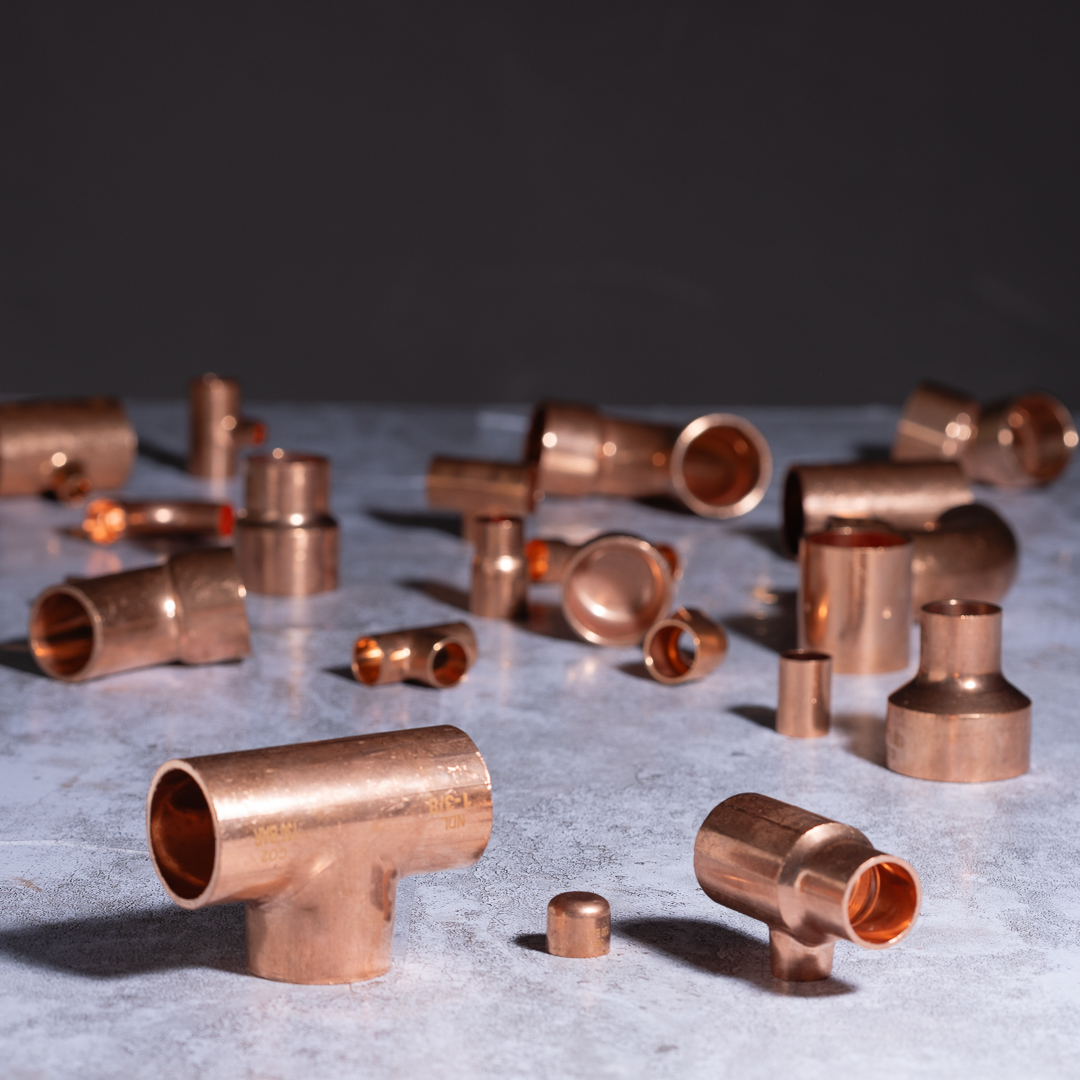
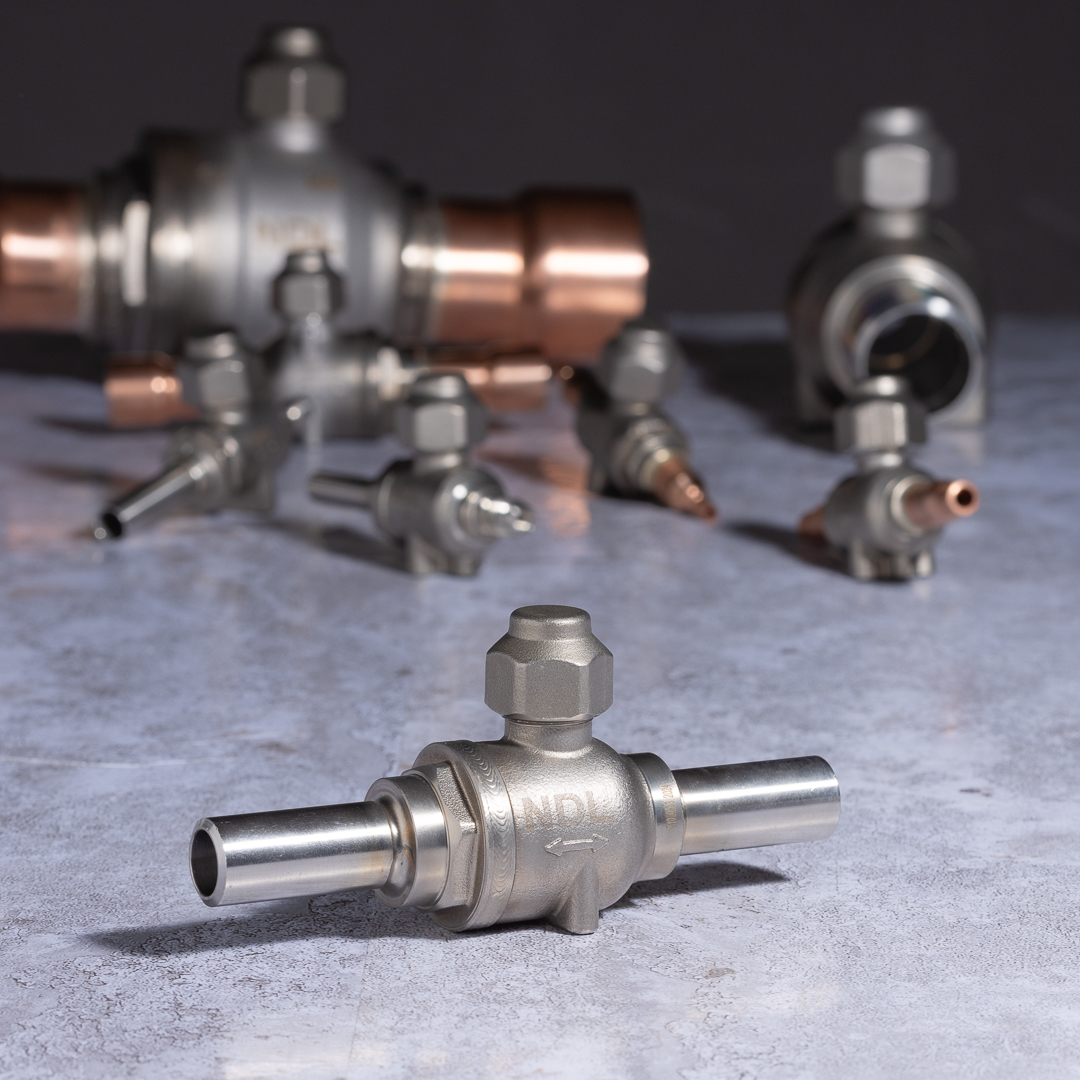
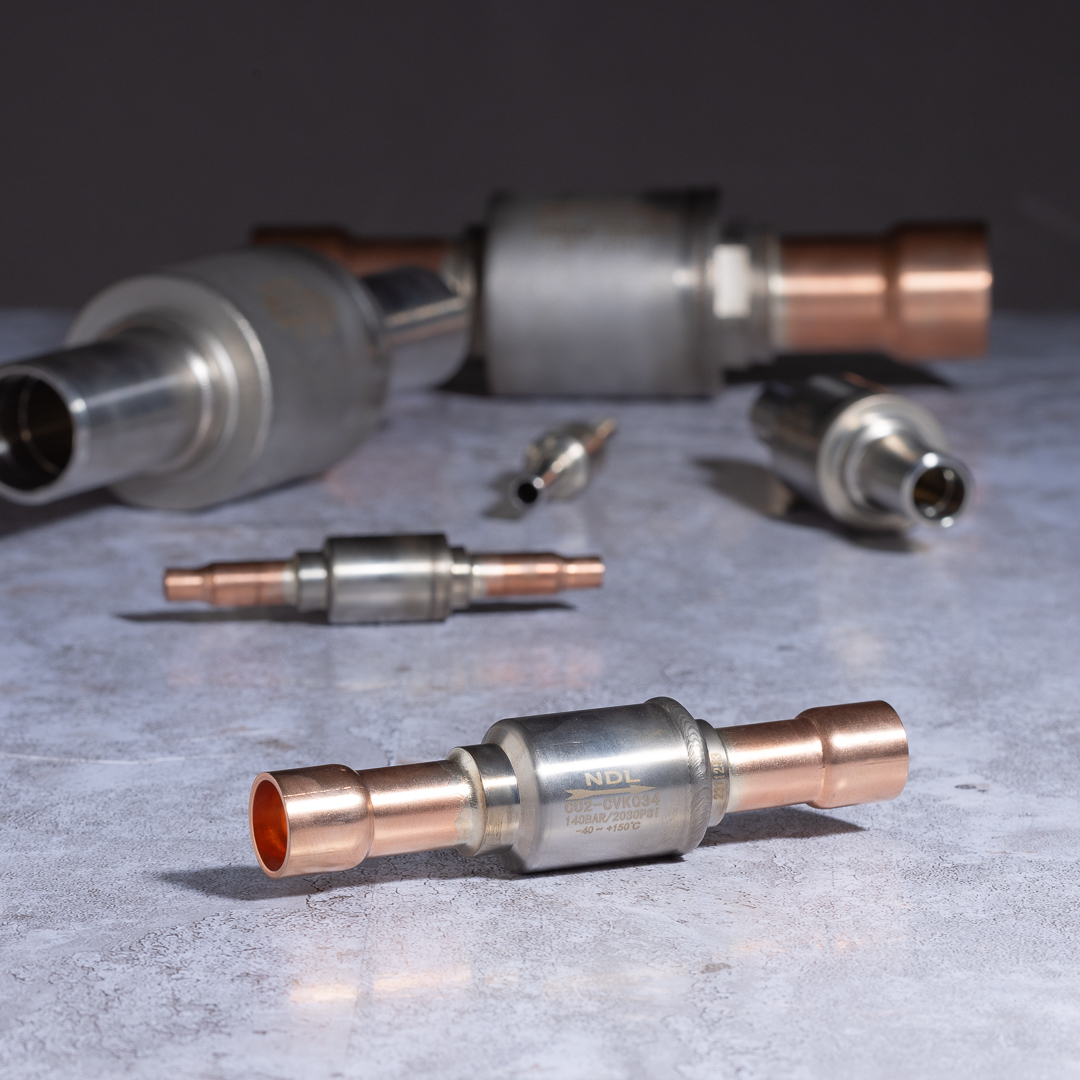
Purpose-built CO₂ components designed for high-pressure refrigeration applications are critical to system stability:
Guidance for Field Technicians
In the field, unstable pressure behavior is often linked to restricted flow, malfunctioning high-pressure valves, or improper relief valve performance. Technicians should compare observed operating pressures to system design values and investigate any deviation.
Inspection should focus on areas exposed to sustained high pressure and rapid pressure change. Components lacking CO₂ pressure ratings should be identified and replaced to prevent long-term reliability issues.
Oil Management and Compressor Protection
Guidance for OEM Design Engineers
Oil transport in CO₂ systems is strongly influenced by piping layout, operating envelope, and pressure drop across heat exchangers. High oil solubility in CO₂ can lead to oil migration and accumulation if suction velocities and piping geometry are not properly engineered.
Designers should validate oil return performance across all expected operating modes, including transcritical and subcritical operation. Oil separators should be evaluated for efficiency under varying load condition, and oil return paths should minimize trapping potential.
Oil management in CO₂ systems is strongly affected by oil miscibility and operating envelope. An IIAR Technical Paper on CO₂ refrigeration lubricants and oil management outlines lubricant selection and system design features that support reliable oil circulation.
Guidance for Field Technicians
Technicians should monitor oil level trends and investigate persistent deviations from normal operating ranges. Gradual oil loss or accumulation often indicates improper velocity or oil retention within evaporators or suction piping.
Corrective action should focus on restoring proper flow conditions rather than repeated oil addition, which can mask underlying system imbalance.
Mechanical Integrity and Leak Prevention
Guidance for OEM Design Engineers
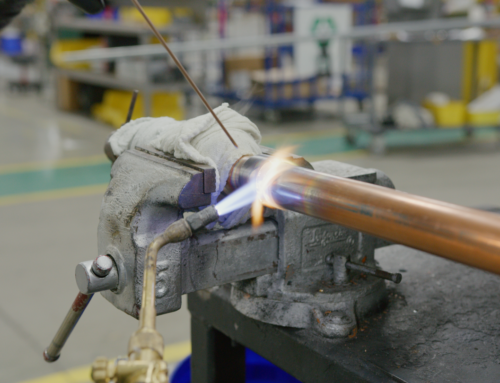
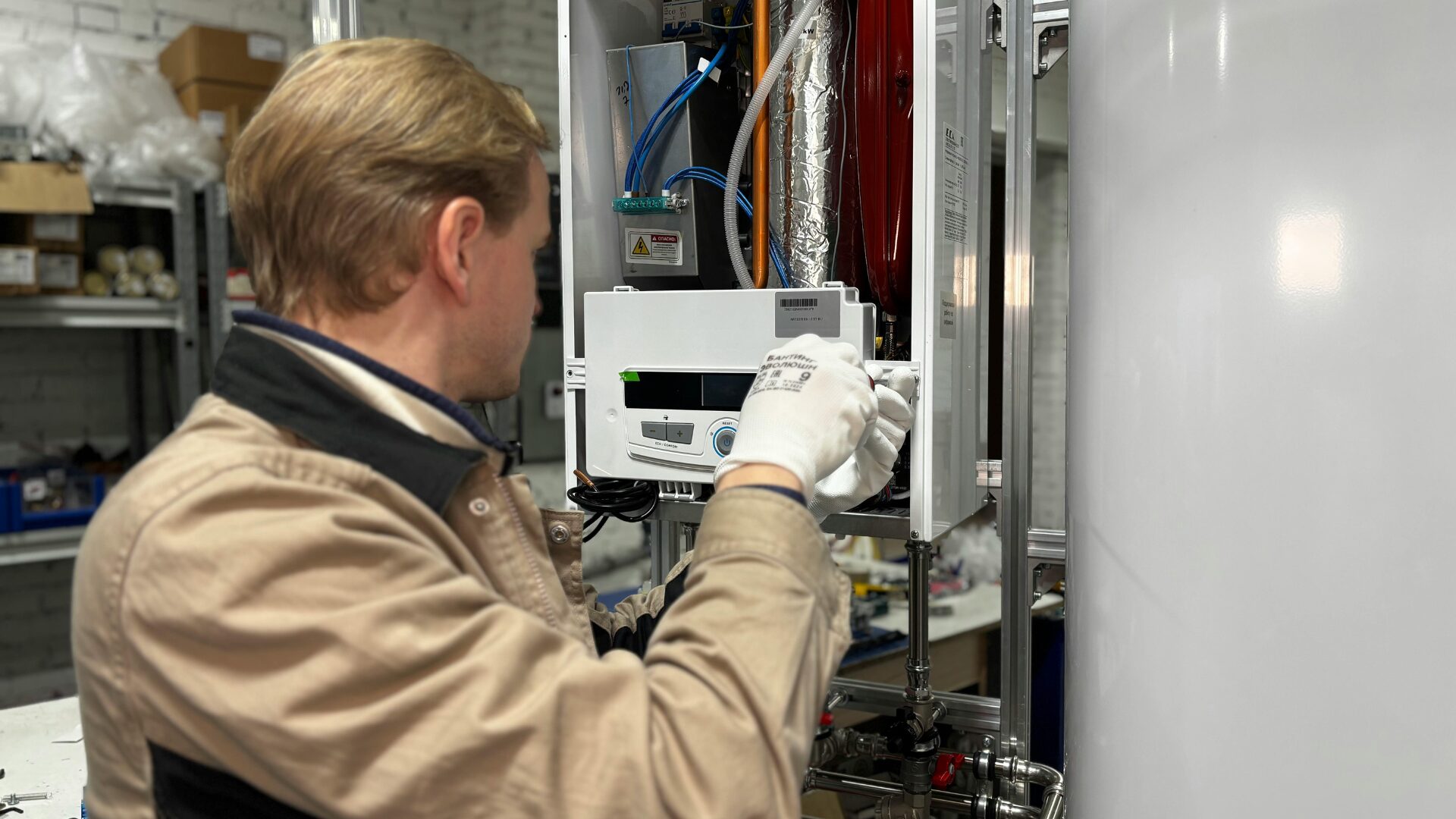
Leak prevention in CO₂ refrigeration systems begins with mechanical joint design. High-pressure connections must withstand vibration, thermal cycling, and repeated service access without degradation.
Design engineers should evaluate thread forms, sealing surfaces, and material compatibility under sustained CO₂ pressure conditions. Reducing the total number of mechanical joints where possible improves overall system robustness.
Mechanical joint design must account for sustained high pressure operation vibration and thermal cycling. ISO 5149 1 establishes safety and environmental requirements relevant to refrigerating systems including those using CO₂.
Guidance for Field Technicians
Field leak investigations should prioritize discharge lines, service valves, and other high-pressure areas. Even minor surface imperfections can result in leaks under CO₂ operating pressures.
Technicians should follow manufacturer-specified torque values for threaded fittings, flanged joints, and bolted mechanical connections used on CO₂ refrigeration piping and components. Sealing surfaces should be inspected for damage, galling, or contamination during both installation and service. Recurrent leak points at the same connection location often indicate a design level issue, such as joint type selection, material mismatch or vibration exposure, rather than installation error alone.
Sensor Accuracy and Control Performance
Guidance for OEM Design Engineers
CO₂ refrigeration systems depend on accurate pressure and temperature measurement to regulate gas cooler pressure expansion control and overall system stability. Sensor selection, placement, and calibration strategy directly affect performance.
Pressure transducers should be rated for transcritical operation and provide sufficient resolution for control algorithms. Control strategies should be validated using real operating data across ambient conditions rather than static set points.
Accurate pressure and temperature sensing is essential for stable CO₂ system control. The ASHRAE Handbook Refrigeration volume provides design and application guidance for refrigeration systems and is a common reference for controls and system performance considerations.
Guidance for Field Technicians
Technicians should verify sensor readings against calibrated reference instruments during commissioning and routine maintenance. Sensor drift or improper placement can result in unstable control response and efficiency loss.
Sensors exposed to excessive vibration or rapid temperature gradients should be inspected regularly to ensure long-term reliability.
Engineering and Service Alignment in CO₂ Refrigeration Systems
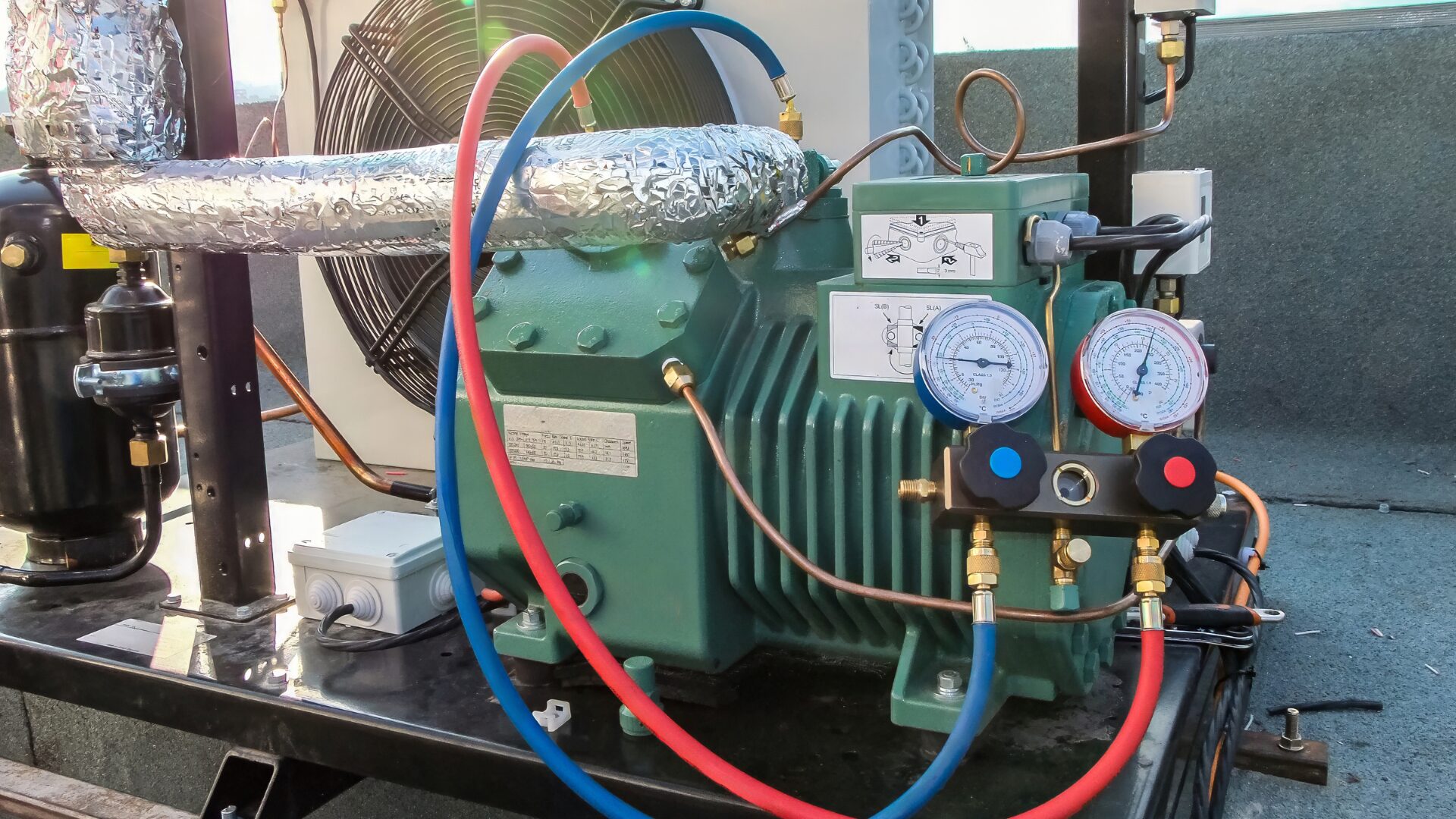
Reliable CO₂ refrigeration performance depends on alignment between design intent and field execution. High operating pressures, oil transport behavior, mechanical integrity, and control accuracy must be addressed collectively rather than in isolation.
OEM design engineers establish the foundation for system reliability through disciplined component specification and validated control strategies. Field technicians preserve that reliability by maintaining pressure-rated hardware, monitoring oil behavior, and confirming accurate control inputs throughout the system lifecycle.
When engineering decisions and field practices are aligned, CO₂ refrigeration systems can deliver safe, efficient, and durable operation in demanding commercial and industrial environments.