Brazing Basics: 10 Mistakes Every HVAC-R Tech Should Avoid
Brazing is one of the most important skills for HVAC/R technicians can develop. A properly brazed connection helps create a strong, reliable joint, while poor technique can contribute to leaks, contamination, damaged components, and costly callbacks.
While brazing may look straightforward, getting consistent results requires the right preparation, heat control, materials, and attention to detail.
Whether you are learning how to braze copper for the first time or looking to improve your technique, here are 10 common brazing mistakes in HVAC/R and how to avoid them.
1. Skipping Proper Tube and Fitting Preparation
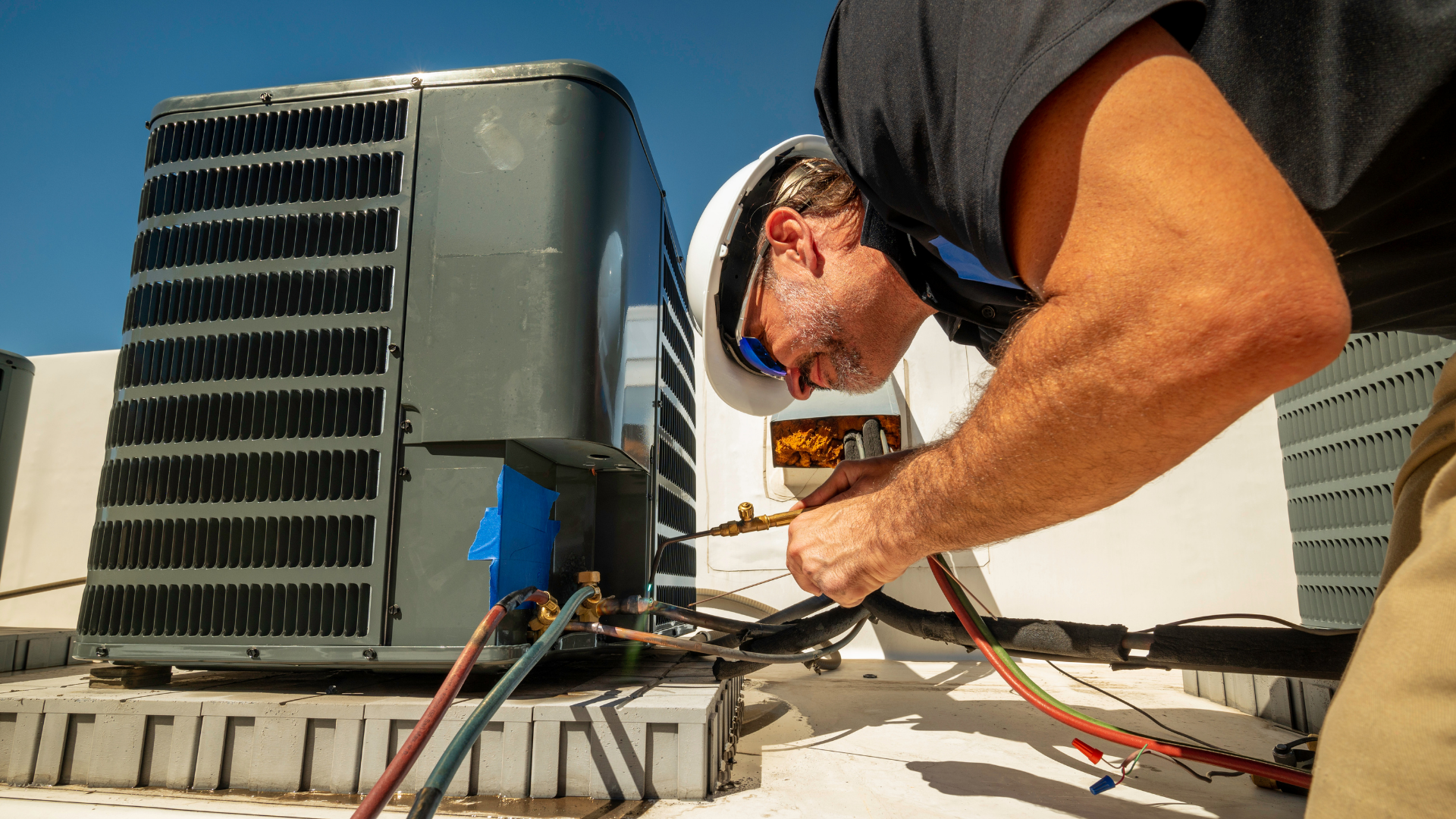
A good brazed joint starts before the torch is ever lit.
Dirt, oil, oxidation, burrs, and other contaminants can interfere with the brazing process. Before assembling a connection, inspect the tube and fitting and make sure the surfaces being joined are clean and properly prepared.
The tube should also be cut square and deburred as needed. Once prepared, insert the tube fully into the fitting cup and make sure the connection is properly supported.
Taking the time to properly prepare the connection can make it easier to achieve consistent results once heat is applied.
2. Brazing Without a Nitrogen Purge
When copper is heated to brazing temperatures while oxygen is present inside the tubing, oxidation and scale can form on the interior surface.
That material can potentially travel through the refrigeration system after startup. Using a controlled flow of dry nitrogen through the tubing during brazing helps limit internal oxidation and keeps the inside of the system cleaner.
For a more detailed explanation of the process, HVAC School explains how and why to flow nitrogen while brazing, including how nitrogen helps prevent copper oxide from forming inside the tubing.
3. Using Too Much Nitrogen
Using nitrogen is important, but more is not necessarily better.
The goal is to maintain a controlled purge through the tubing, not to pressurize the system while brazing. Excessive flow can create unnecessary pressure inside the tubing and interfere with the brazing process.
Use the appropriate regulator and follow the equipment and component manufacturer’s recommended procedures for the application.
4. Overheating the Joint
One of the easiest mistakes to make when learning to braze is applying too much heat.
Brazing requires enough heat to bring the joint to the proper temperature for the selected filler metal, but continuing to heat the connection beyond what is necessary can cause problems. Excessive heat can increase oxidation and potentially damage nearby temperature-sensitive components.
Instead of concentrating the flame on one small area for too long, control the torch and distribute heat appropriately across the connection.
This becomes particularly important when working near valves and other components that may contain seals or other heat-sensitive materials. Always follow the manufacturer’s instructions for the specific component being installed. NDL provides installation instructions for applicable HVAC/R and CO₂ refrigeration components, including refrigeration and CO₂ valves.
5. Melting the Brazing Rod Directly With the Torch
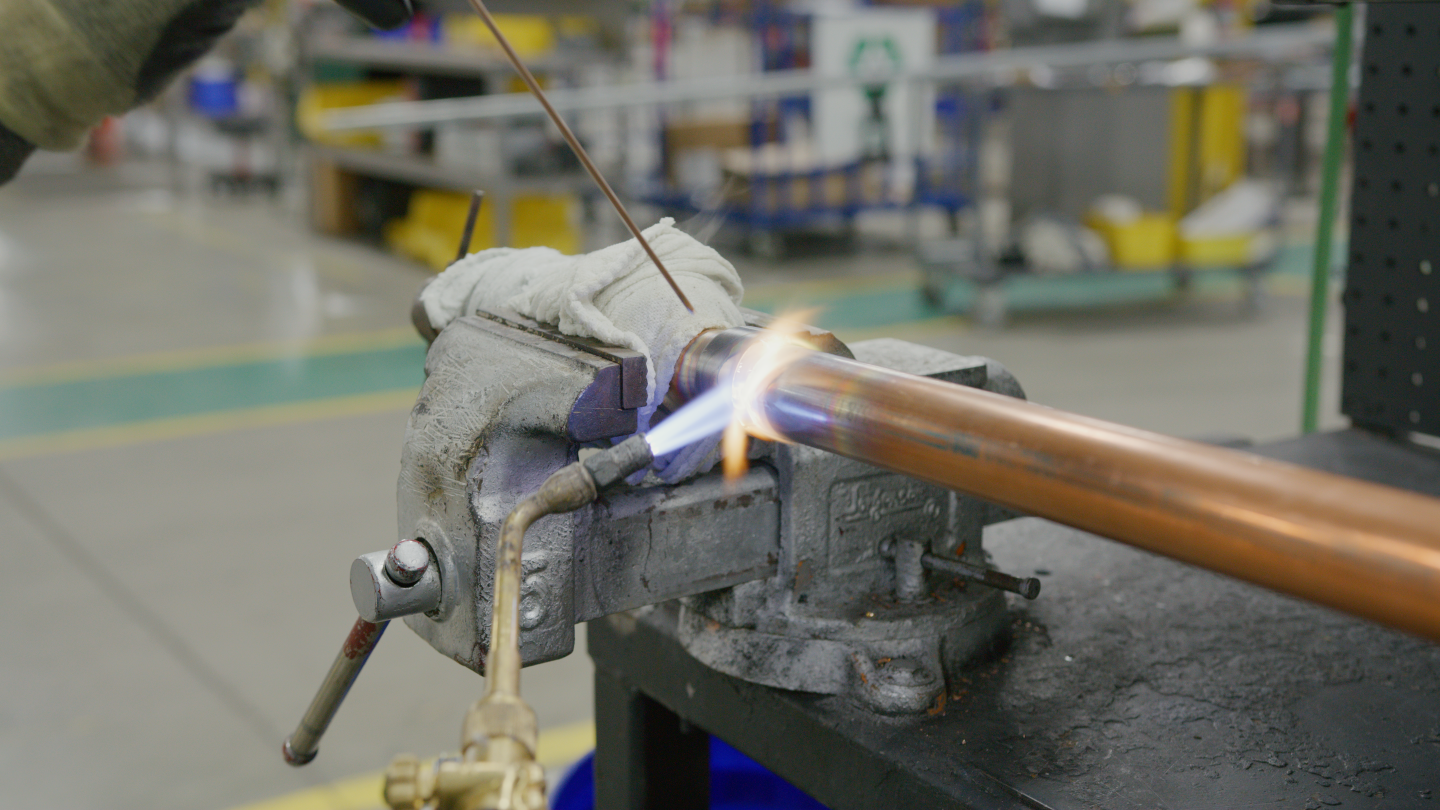
A common beginner mistake is pointing the flame directly at the brazing rod, melting it, and allowing the material to drip onto the connection.
That is not how a proper capillary joint should be formed.
Instead, the tube and fitting should be heated appropriately so that the joint itself melts the filler metal when it is applied. The molten filler metal can then be drawn into the space between the tube and fitting through capillary action.
If the filler metal only melts when it is placed directly in the flame, the joint itself may not be at the appropriate temperature.
For a visual demonstration of proper preparation, heat application, and brazing technique, HVAC School provides an oxy acetylene brazing demonstration designed specifically for HVAC/R technicians.
6. Applying Heat Unevenly
Heating only one side of a connection can prevent the entire joint from reaching the appropriate temperature.
This can result in filler metal flowing well in one area but poorly in another.
Proper torch movement helps distribute heat around the tube and fitting. The fitting generally requires more heat than the tube because of its greater mass, but the exact technique will vary depending on fitting size, material, torch setup, and the components being joined.
Larger fittings can require additional attention because more material must be heated evenly.
7. Using Too Much or Too Little Filler Metal
More filler metal does not automatically create a stronger connection.
The purpose of the filler metal is to flow into the capillary space between the tube and fitting and create the brazed joint. Adding excessive material can leave a large buildup around the outside without necessarily improving the connection inside.
Too little filler metal, however, can result in an incomplete joint.
The goal is not to build up as much material as possible around the outside of the connection, but to achieve proper filler metal flow throughout the joint.
8. Using the Wrong Filler Metal or Flux
Not every brazing alloy is appropriate for every connection.
The materials being joined play an important role in determining the appropriate filler metal and whether flux is required. Joining copper to copper, for example, can have different requirements than joining copper to another metal.
Flux selection also matters. Before brazing, verify that the filler metal and flux, when required, are compatible with the materials, component manufacturer requirements, and application.
For more information on filler metal selection, Lucas Milhaupt provides a technical overview of how to select a Sil Fos alloy for HVAC/R and plumbing, including considerations for different alloy compositions and applications.
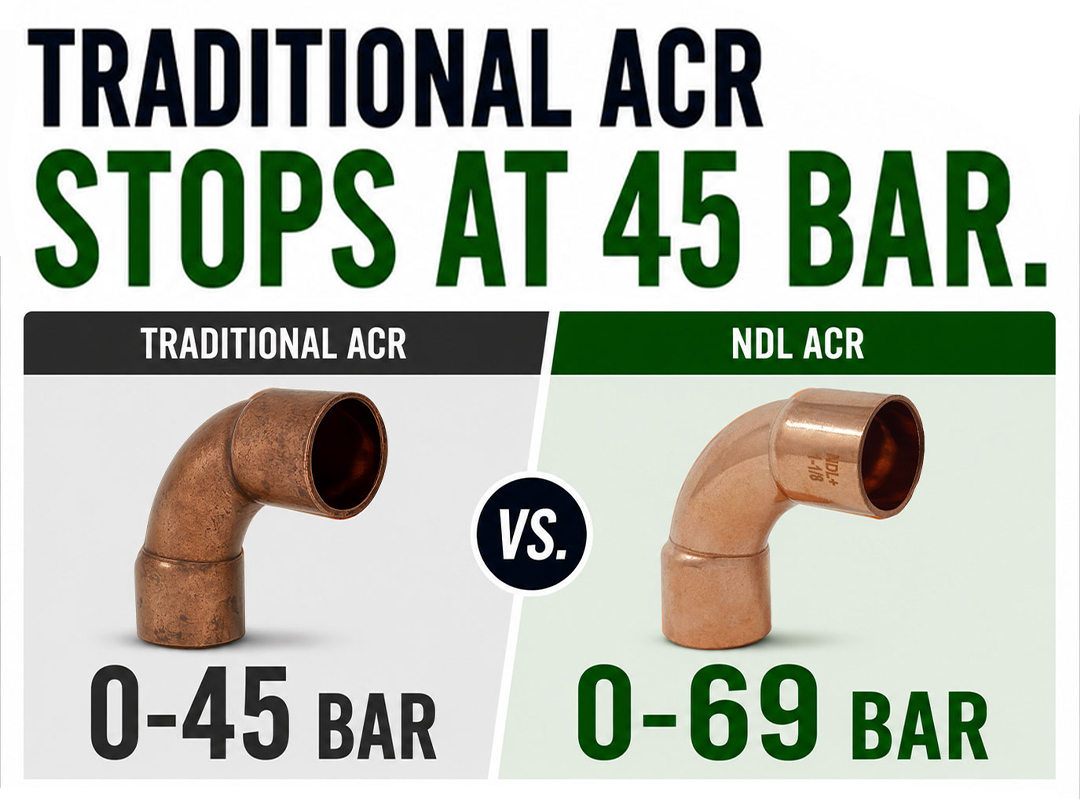
Material selection becomes especially important as HVAC/R systems use components designed for increasingly demanding operating conditions. For example, NDL’s CO₂ Copper Fittings are manufactured from C19400 high-pressure copper-iron alloy and engineered specifically for high-pressure CO₂ refrigeration applications
9. Moving the Joint Before It Has Cooled
Finishing the braze does not mean the connection is immediately ready to be handled.
Moving or disturbing the tube and fitting while the filler metal is still solidifying can compromise the finished joint. Allow the connection to cool and remain supported during the process.
Avoid trying to speed up the process by immediately cooling the joint with water unless specifically required by an approved procedure. Give the connection time to cool before handling or proceeding with inspection.
10. Skipping Inspection and Leak Testing
A clean-looking braze is a good sign, but appearance alone cannot confirm that a refrigeration system is leak-free.
Once the connection has cooled, visually inspect the entire circumference of the joint. Look for areas where filler metal may not have flowed properly, visible gaps, cracks, or other signs of an incomplete connection.
The completed system should then be pressure and leak tested according to the applicable manufacturer’s instructions, codes, standards, and established procedures before being placed into service.
Taking a few extra minutes to inspect your work can help prevent a much more time-consuming return visit later.
Better Brazing Starts With Better Habits
Good brazing technique comes from consistency. Preparing every connection properly, controlling heat, purging with nitrogen, selecting the correct filler metal, and inspecting the finished joint can help technicians develop reliable brazing habits throughout their careers.
The components being installed matter too. Fittings and valves should always be selected based on the refrigerant, application, operating pressure, temperature, and other system requirements.
NDL Industries manufactures ACR Copper Fittings designed for refrigeration and air conditioning applications, along with components engineered specifically for the higher operating pressures found in CO₂ refrigeration systems.
No matter the system, always refer to the manufacturer’s installation instructions and applicable codes and standards before brazing or servicing HVAC/R equipment.
Frequently Asked Questions About HVAC-R Brazing
Do you need nitrogen when brazing HVAC lines?
A controlled flow of dry nitrogen is commonly used while brazing HVAC/R copper tubing to help prevent oxidation and scale from forming inside the tubing. Keeping the inside of the tubing clean helps reduce the amount of unwanted material entering the refrigeration system.
Always follow the equipment and component manufacturer’s procedures for the specific system being installed or serviced.
What is the difference between brazing and soldering?
The primary distinction is the melting temperature of the filler metal. Brazing uses filler metals at higher temperatures than soldering.
Both processes join materials without melting the base metals themselves, but brazing is commonly used for HVAC/R refrigerant piping because of the strength and performance required from the connection.
Do you need flux when brazing copper?
It depends on the materials being joined and the filler metal being used.
Certain copper-to-copper connections using copper phosphorus brazing alloys may not require flux. Connections involving dissimilar metals can have different requirements and may require an appropriate flux.
Always select filler metal and flux according to the materials being joined, the application, and the manufacturer’s recommendations.
What temperature does a brazing rod melt?
There is no single melting temperature for all brazing rods. The melting range depends on the filler metal’s composition.
Common HVAC/R brazing alloys can have significantly different melting ranges, which is why technicians should verify the specifications for the filler metal they are using rather than relying on a universal temperature.
Why does copper turn black when brazing?
Copper can darken during brazing because of oxidation caused by exposure to oxygen at high temperatures. Oxidation can occur on both the outside and inside of the tubing.
A nitrogen purge helps reduce oxidation inside the tubing, while proper heat control can help prevent unnecessary overheating of the connection.
How can you tell if a brazed joint is good?
Start with a visual inspection of the entire joint. Look for consistent filler metal flow around the tube and fitting and check for visible gaps, cracks, or areas that appear incomplete.
Visual appearance alone, however, does not prove that a system is leak-free. The system should be pressure and leak tested using the appropriate procedures before being placed into service.
Can you use too much heat when brazing copper?
Yes. More heat does not necessarily produce a better brazed joint. Excessive heating can increase oxidation and potentially damage nearby heat-sensitive components.
The objective is to heat the tube and fitting sufficiently and evenly for the selected filler metal to flow properly through the joint without unnecessarily overheating the connection.