The Shift Toward CO2 Refrigeration in Supermarkets
Supermarkets are transitioning their refrigeration strategies in response to tightening environmental regulations and the phase-down of high-GWP refrigerants. As a result, retailers are adopting long-term solutions that meet both compliance requirements and operational performance targets.
CO2 refrigeration systems have emerged as a leading solution, offering high energy efficiency, long-term regulatory compliance, and a very low global warming potential (GWP = 1). What was once considered a niche technology is now becoming standard across modern supermarket refrigeration systems.
Understanding CO2 Refrigeration Systems in Supermarkets
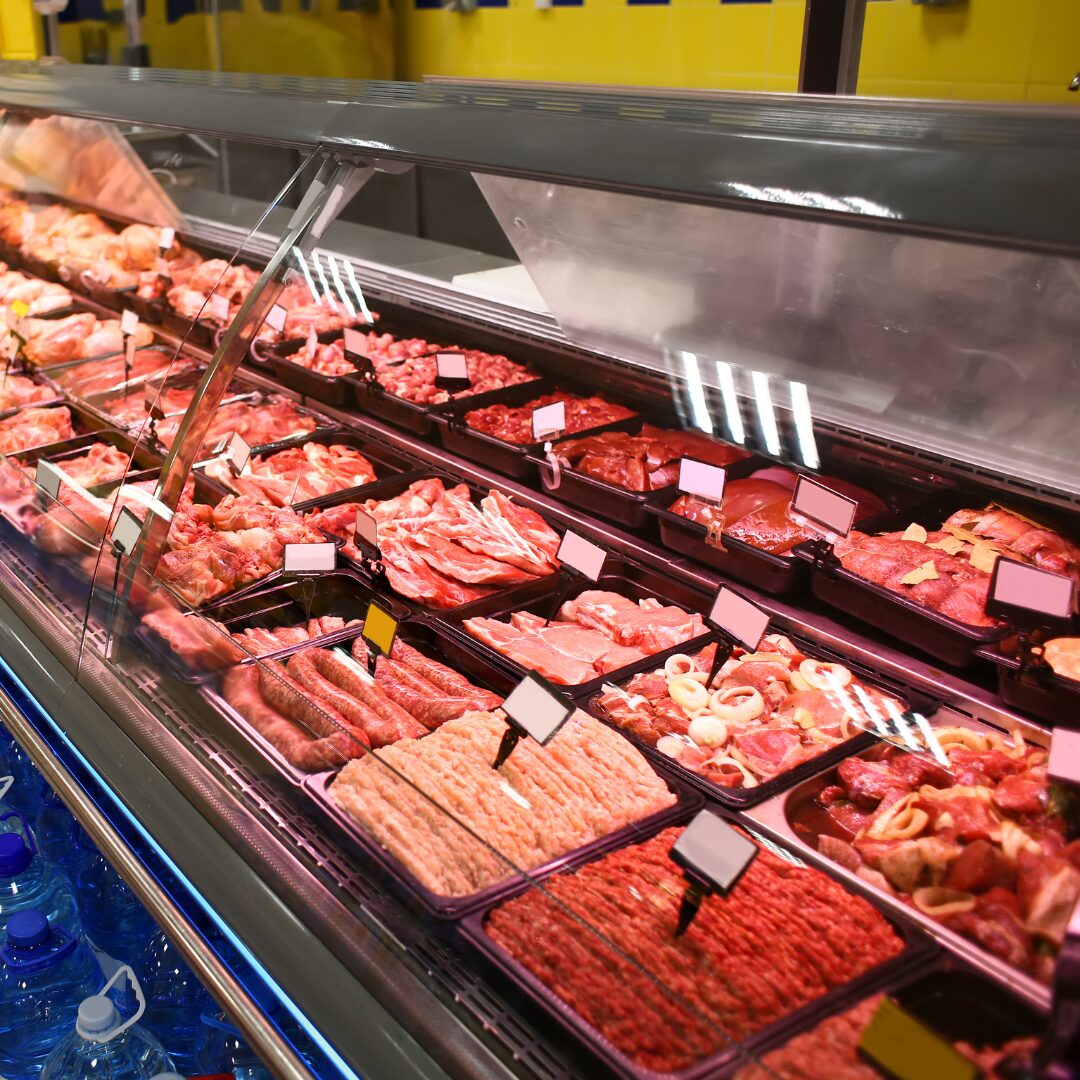
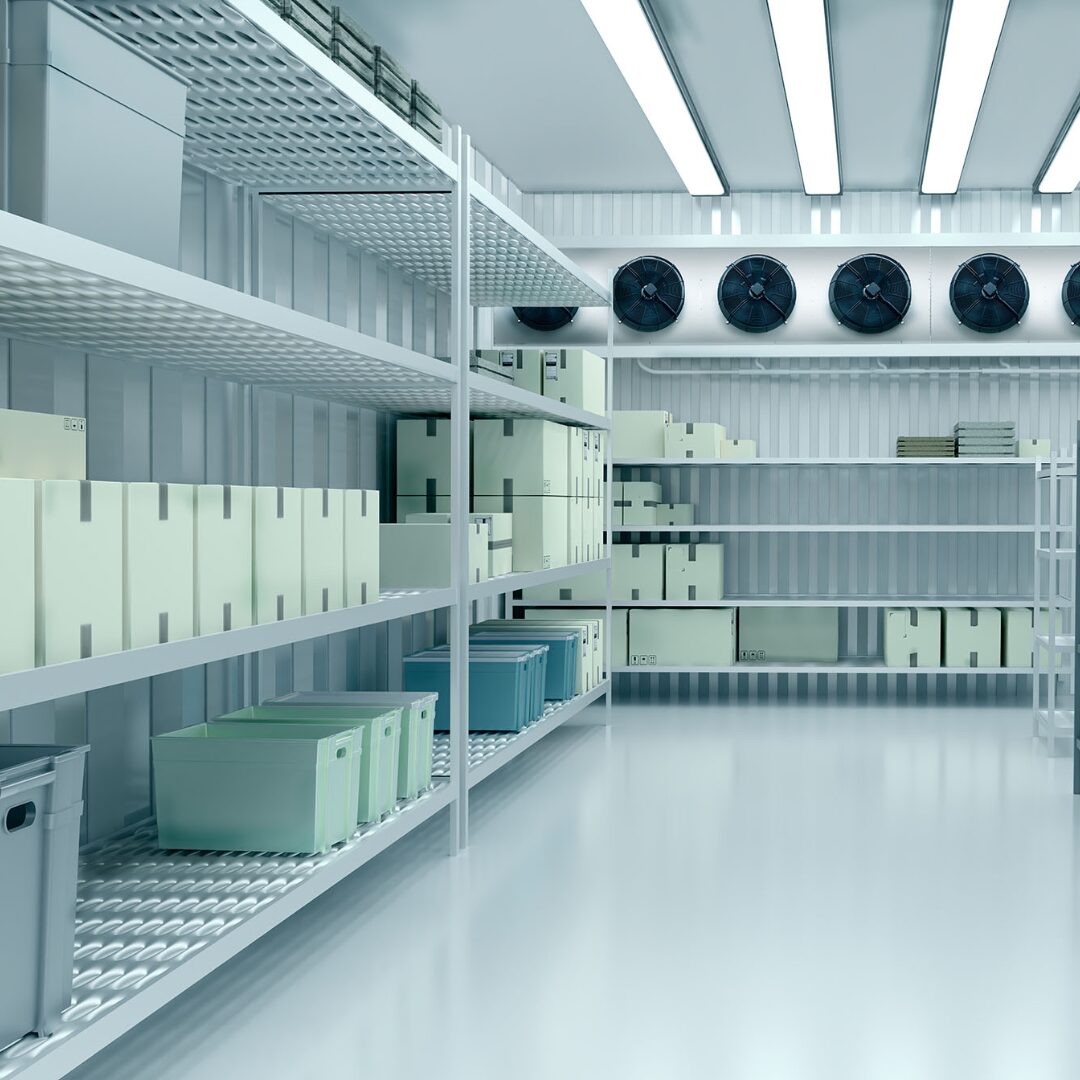
CO2 refrigeration systems use carbon dioxide (R744) as the refrigerant instead of synthetic options like HFCs, making it one of the lowest-impact refrigerants available and a future-proof solution under evolving environmental regulations. In supermarket environments, these systems are typically used to support:
Display Cases
Walk-In Cooler/Freezers
Central Rack Systems
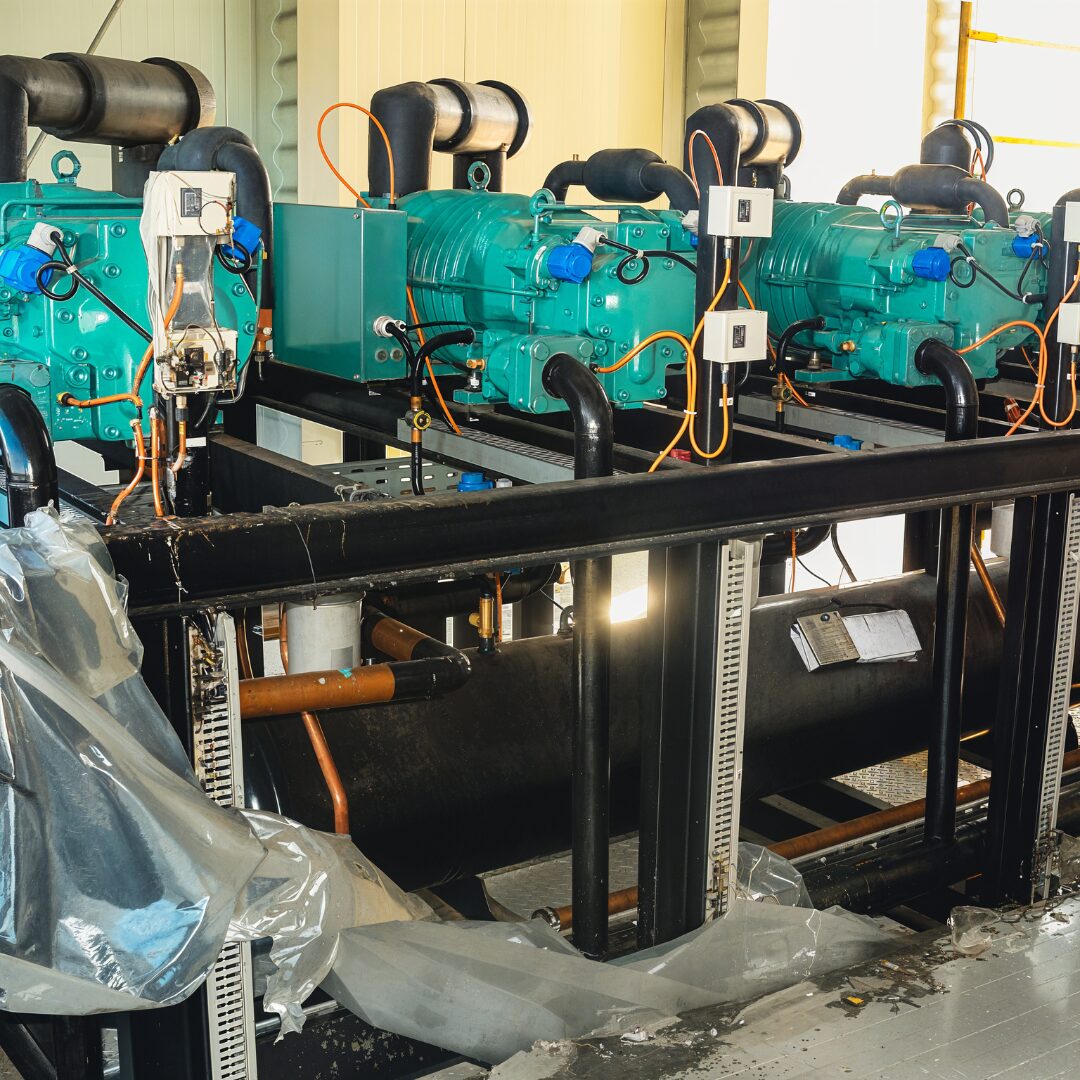
Most new installations utilize transcritical CO2 systems, which are designed to operate efficiently under high-pressure conditions while maintaining system performance across varying climates.
Top Benefits of CO2 Refrigeration Systems for Supermarkets
Environmental Benefits of CO2 Refrigeration
One of the primary reasons supermarkets are switching to CO2 refrigeration is its minimal environmental impact. CO2 has a Global Warming Potential of 1, making it one of the most sustainable refrigerants available.
For a broader global perspective on sustainable cooling, the United Nations Environment Programme’s About Cooling page explains how climate friendly cooling can reduce emissions while improving access and efficiency.
As outlined by the U.S. Environmental Protection Agency, regulatory pressure continues to push the industry toward lower GWP solutions.
Energy Efficiency of CO2 Refrigeration Systems
Modern CO2 refrigeration systems have improved significantly through technologies such as:
These innovations allow CO2 systems to achieve competitive or superior efficiency compared to traditional systems, even in warmer climates.
Cost Savings with CO2 Refrigeration Systems
While initial installation costs can be higher, supermarkets benefit from long-term savings through:
According to the International Energy Agency, improving cooling system efficiency is one of the most impactful ways to reduce energy consumption in commercial buildings.
Future Proofing with CO2 Refrigeration Technology
Supermarkets operate on long investment cycles, often exceeding a decade. Choosing a refrigeration system that aligns with future regulations is critical.
CO2 refrigeration systems provide:
This makes them a strategic investment rather than a temporary solution.
Challenges of CO2 Refrigeration Systems in Supermarkets
High Pressure Requirements in CO2 Refrigeration Systems
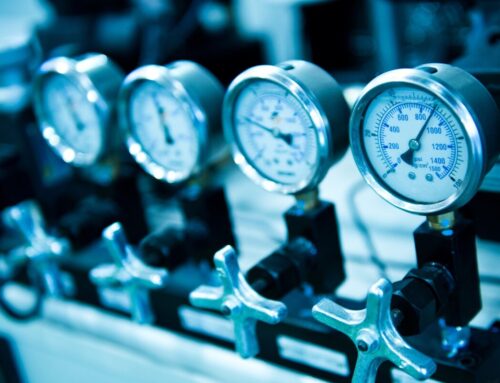
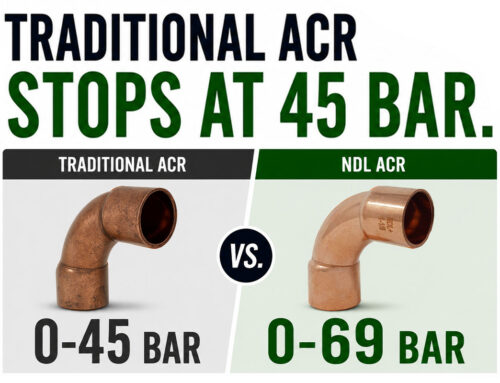
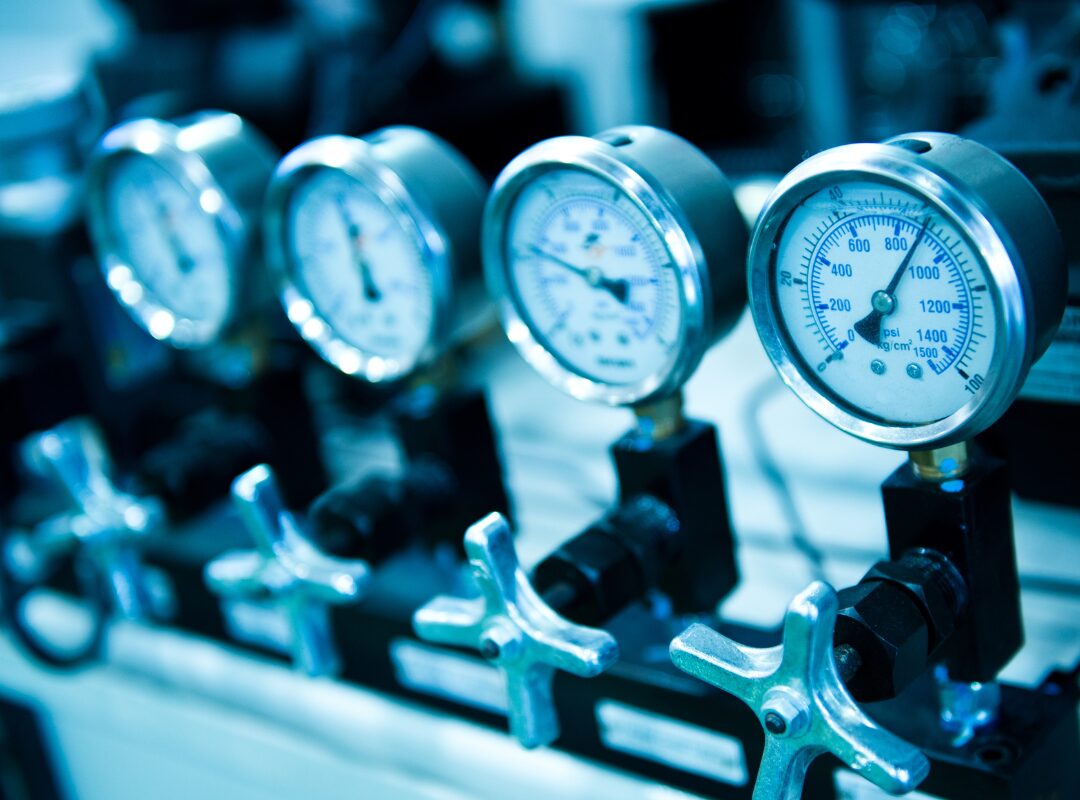
CO2 systems operate at significantly higher pressures than traditional refrigeration systems. This requires:
For a deeper comparison of how these components differ from standard refrigeration valves, see How CO2 Ball Valves Differ From Traditional Refrigeration Ball Valves
CO2 Refrigeration System Design Considerations
Designing a CO2 refrigeration system requires careful planning due to its higher operating pressures and unique performance characteristics. Proper pressure management, efficient system layout, and the use of CO2-rated components all play a key role in ensuring reliable operation.
In addition, system designers must consider factors such as ambient conditions, gas cooler performance, and overall system efficiency. Working with experienced engineers and using properly engineered components helps reduce risk and improve long term performance.
Training Requirements for Co2 Refrigeration Systems
Because CO2 systems operate under higher pressures, proper training is important for safe installation and maintenance. Technicians must understand system behavior, pressure handling, and CO2-specific best practices.
Industry organizations like the North American Sustainable Refrigeration Council are helping support this transition by offering training resources and educational programs focused on sustainable refrigeration. As CO2 adoption continues to grow, these types of initiatives are making it easier for contractors and technicians to build the skills needed to work confidently with CO2 systems.
CO2 Refrigeration Components Used in Supermarkets
CO2 refrigeration systems rely on specialized components designed to handle demanding operating conditions and higher pressures.
CO2 Refrigeration Valves and Their Role
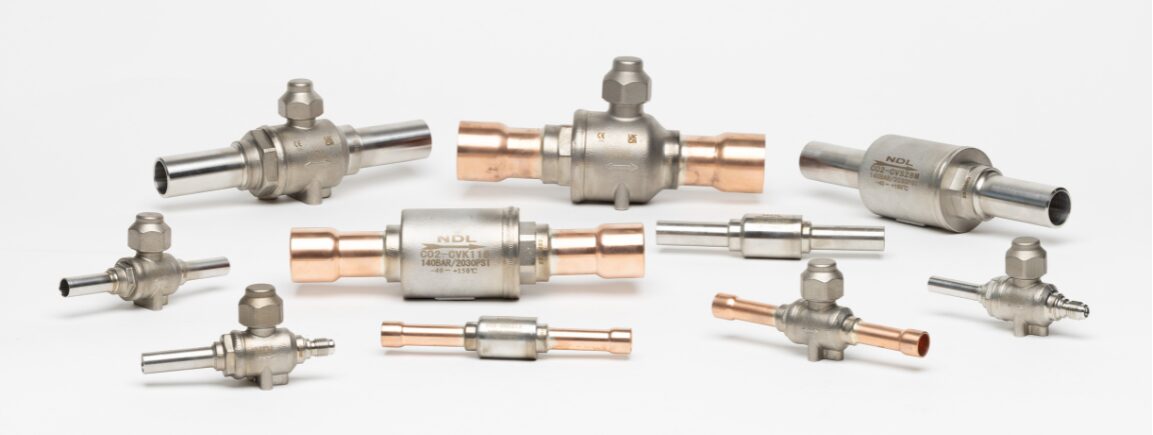
Valves, in particular, play a critical role in pressure regulation, flow control, and overall system stability in CO2 applications.
CO2 ball valves are specifically engineered to withstand significantly higher pressures than standard refrigeration valves, making them critical for system reliability. Check valves also play an important role in preventing backflow and maintaining proper system operation under varying pressure conditions.
For more information on high pressure valve solutions for CO2 systems, explore CO2 Ball Valves
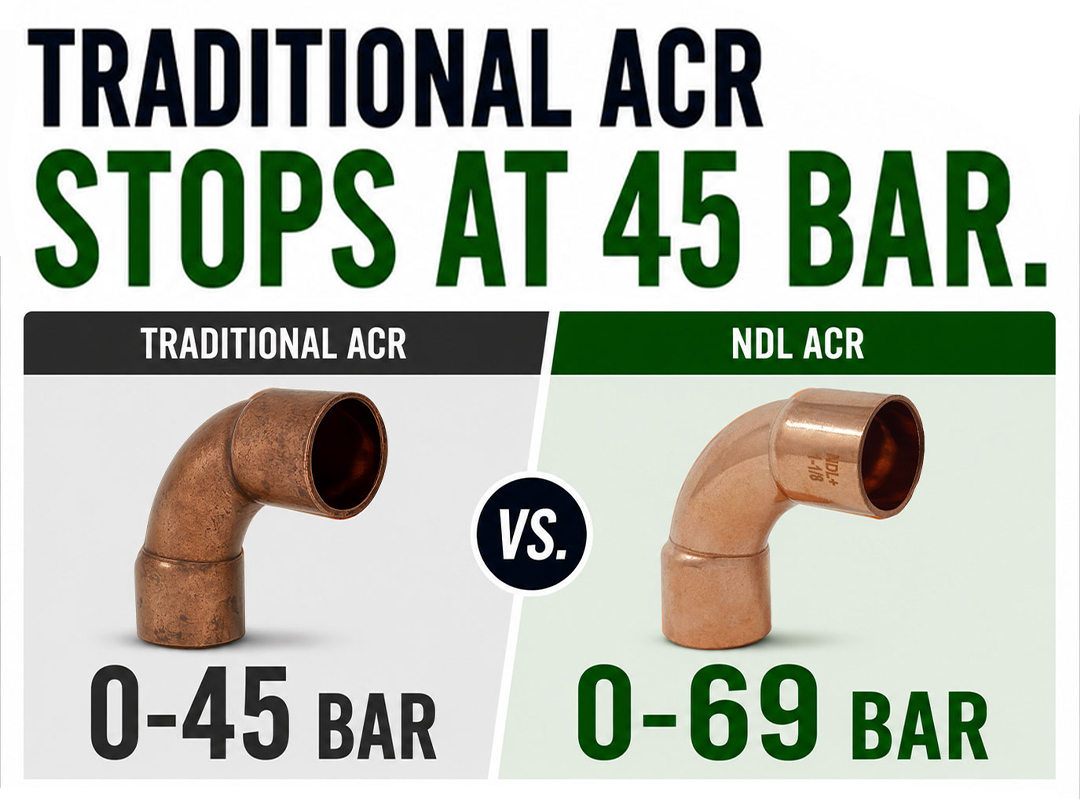
CO2 Copper Fittings in Refrigeration Systems

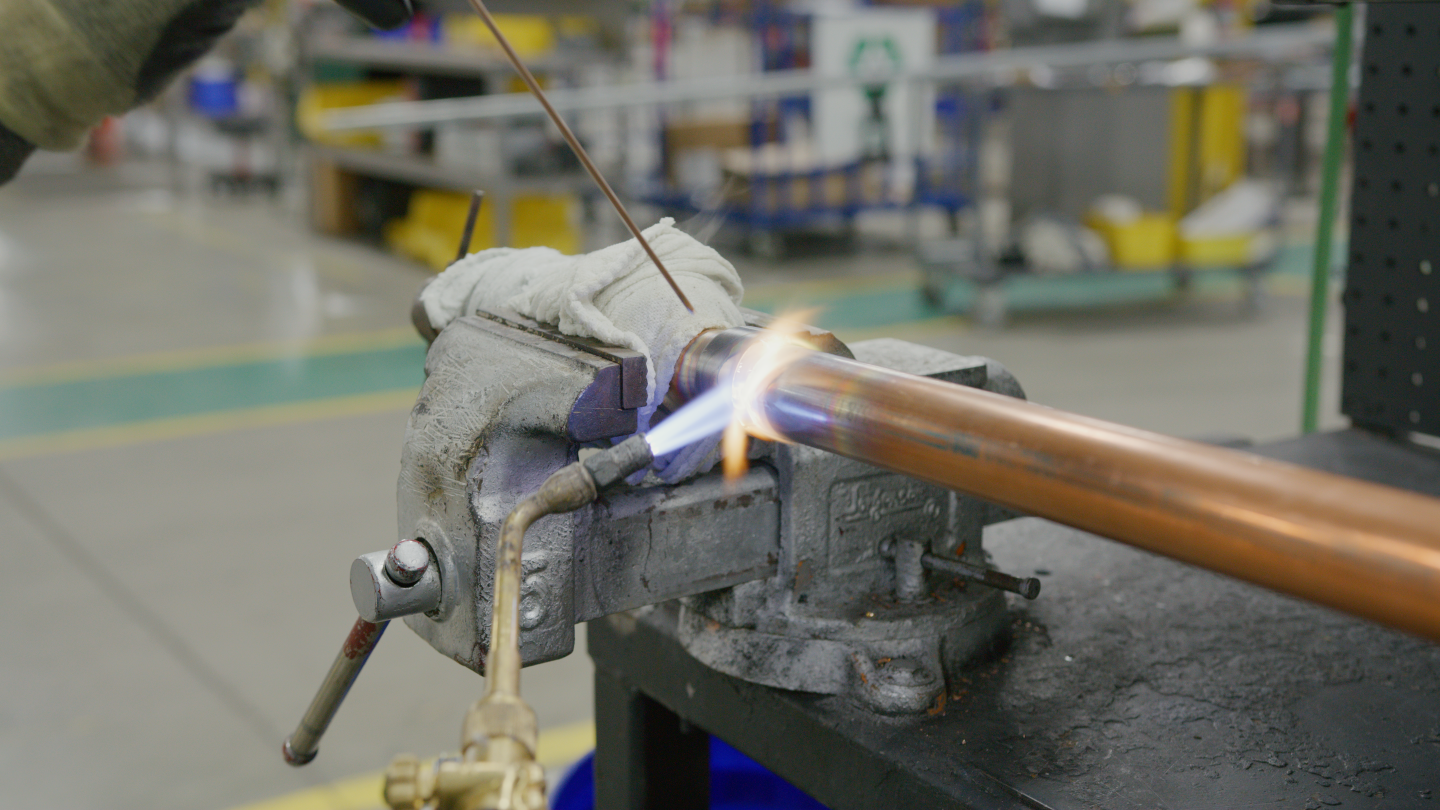
Copper fittings used in CO2 refrigeration systems must be designed and manufactured to handle high-pressure environments while maintaining long-term durability and leak resistance.
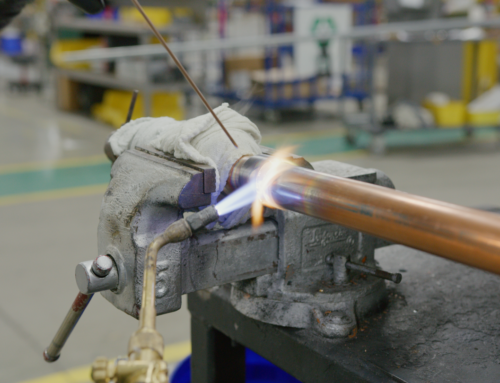
In addition to pressure ratings, proper installation methods such as brazing and system cleanliness are critical to ensuring performance. High-quality copper fittings help reduce the risk of leaks, improve system integrity, and support overall efficiency in demanding CO2 applications.
For specifications and available configurations, check out our CO2 Copper Fittings
Where CO2 Refrigeration Systems Are Being Used
CO2 refrigeration systems are now widely adopted across:
Supermarkets
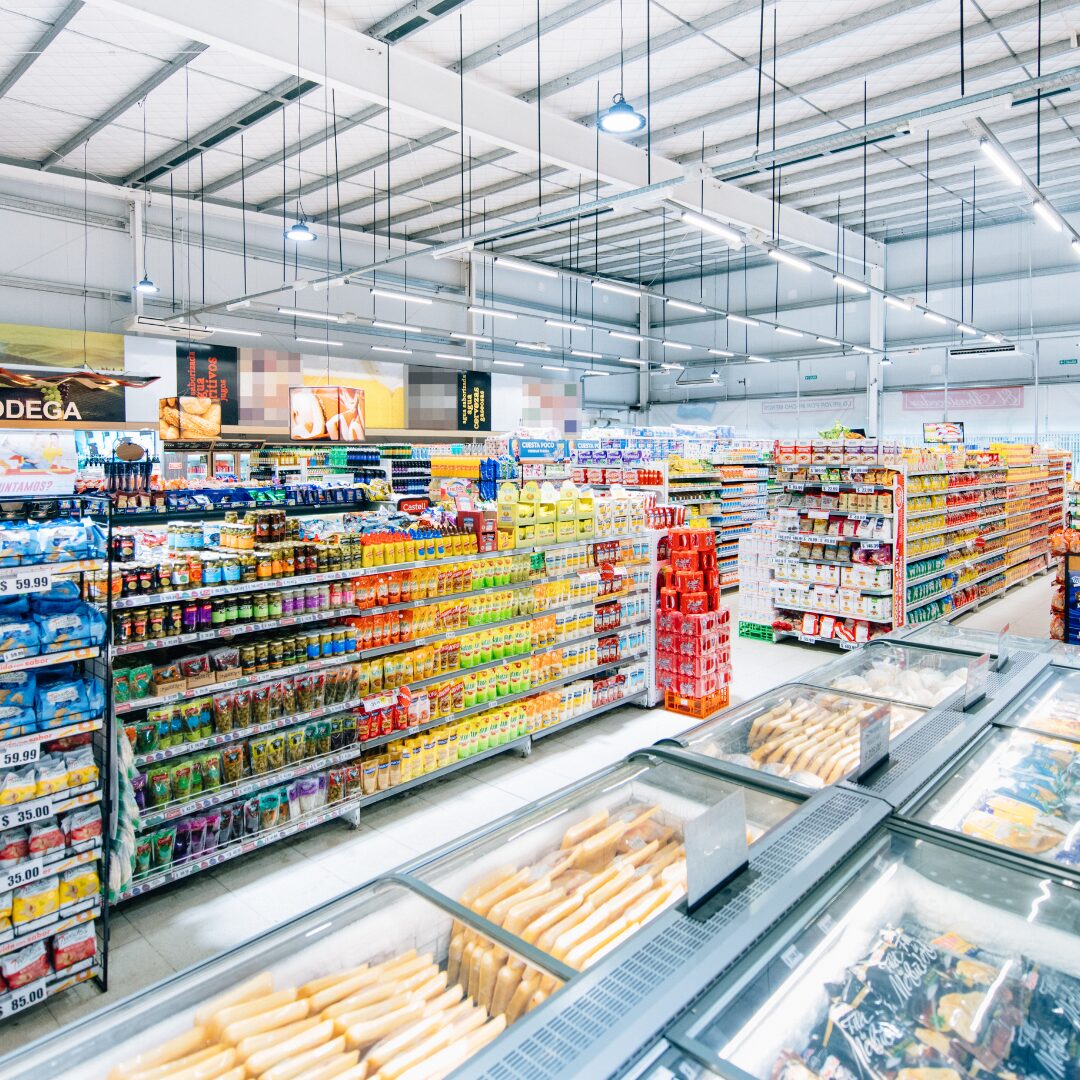
Convenience stores
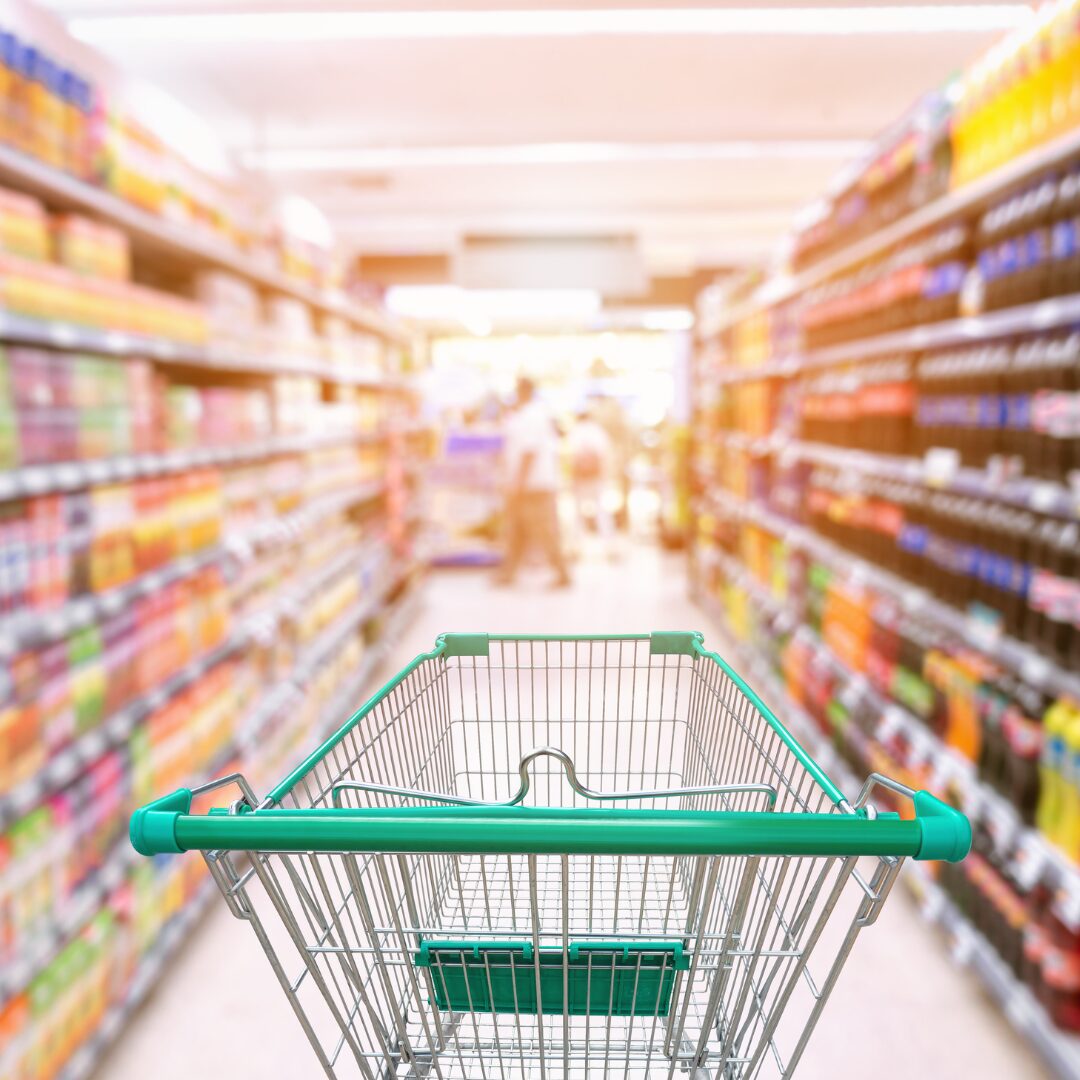
Cold Storage Facilities
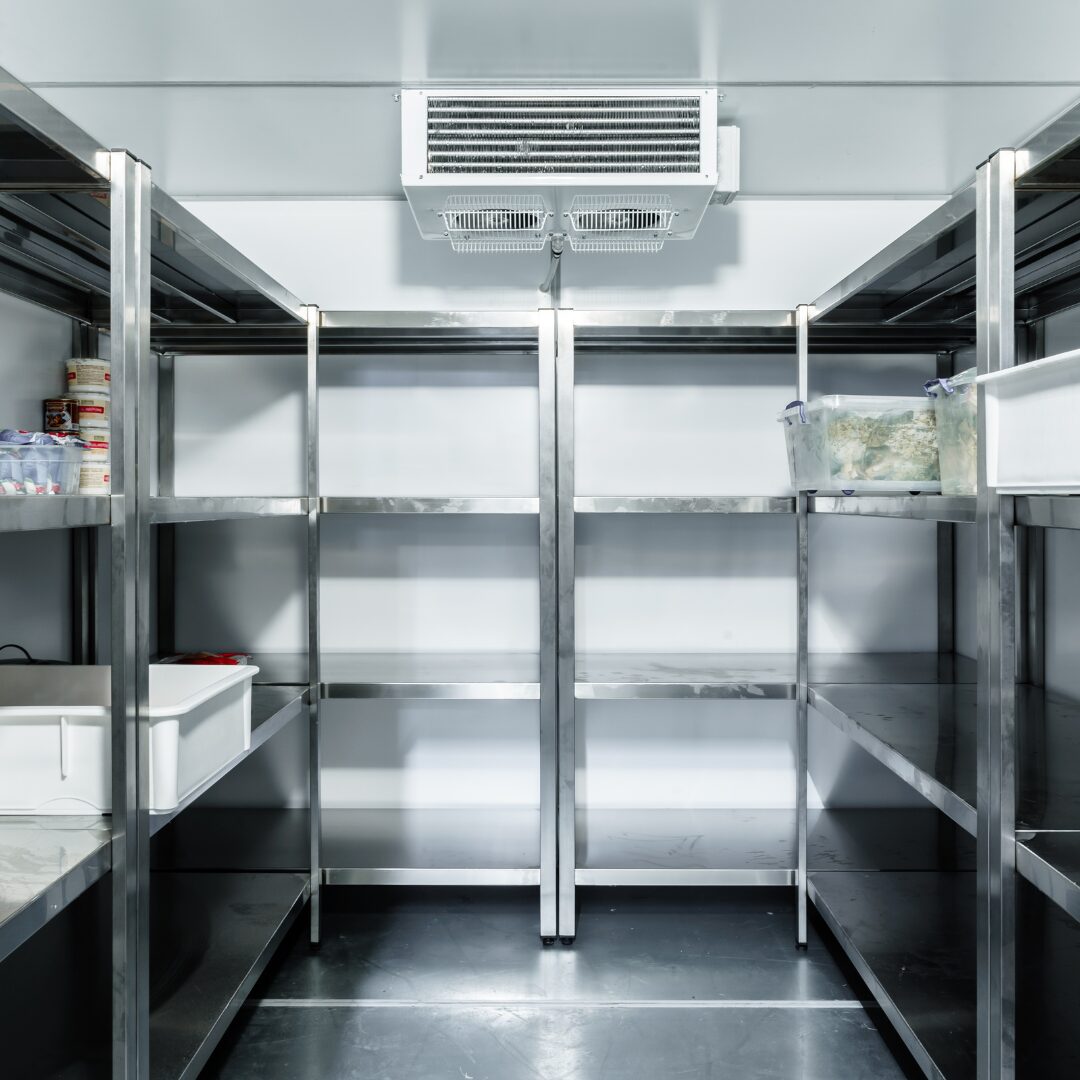
Food Processing Plants
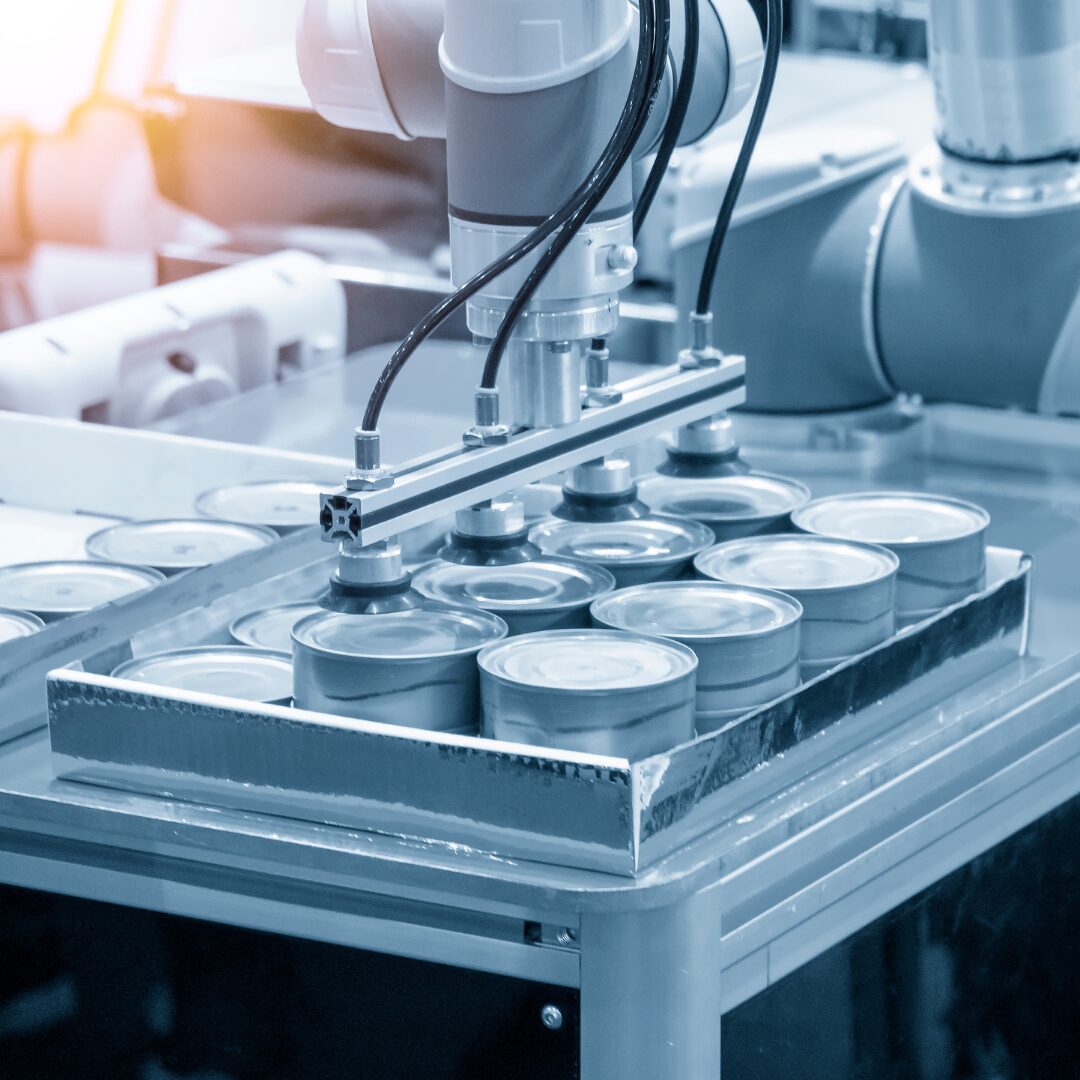
Retailers across North America and Europe are actively transitioning to CO2 systems as part of long-term infrastructure upgrades.
For additional insight into industry standards and certifications that support these systems, see HVAC-R Certifications Explained
The Future of CO2 Refrigeration in Supermarkets
The adoption of CO2 refrigeration continues to accelerate as technology evolves and regulations tighten.
Key trends include:
As these trends continue, CO2 refrigeration is becoming the default choice for new supermarket refrigeration systems.
Why CO2 Refrigeration is Becoming the Standard for Supermarkets
CO2 refrigeration systems offer a combination of environmental benefits, regulatory compliance, and long-term efficiency that traditional systems can no longer match.
With proper system design and high-quality components, CO2 refrigeration provides a reliable and future-ready solution for supermarkets looking to modernize their operations.
CO2 Refrigeration FAQs
Why are supermarkets switching to CO2 refrigeration?
Supermarkets are switching due to environmental regulations, low global warming potential, and long-term efficiency benefits.
Is CO2 refrigeration more efficient?
Yes, modern CO2 systems can be highly efficient, especially with technologies like ejectors and parallel compression.
Are CO2 refrigeration systems safe?
Yes, when designed properly and paired with high-pressure-rated components, CO2 systems are safe and reliable.
Do CO2 systems work in warm climates?
Yes, advancements in system design have improved performance in warmer regions.
What components are used in CO2 refrigeration systems?
Key components include valves, copper fittings, and filter driers designed for high-pressure applications.