Why Flexible Gas Connectors Matter More Than You Think
Flexible gas connectors may not get much attention, but they play a crucial role in the safety and reliability of every gas appliance. From furnaces and water heaters to stoves and dryers, these connectors provide a secure, flexible link between your gas supply and the appliance itself. When chosen and installed correctly, they ensure both performance and safety. When ignored or mishandled, they can become a serious hazard.
This guide explains how flexible gas connectors work, the best installation practices, and key safety guidelines to help HVAC and plumbing professionals make informed, code-compliant decisions.
What Are Flexible Gas Connectors?
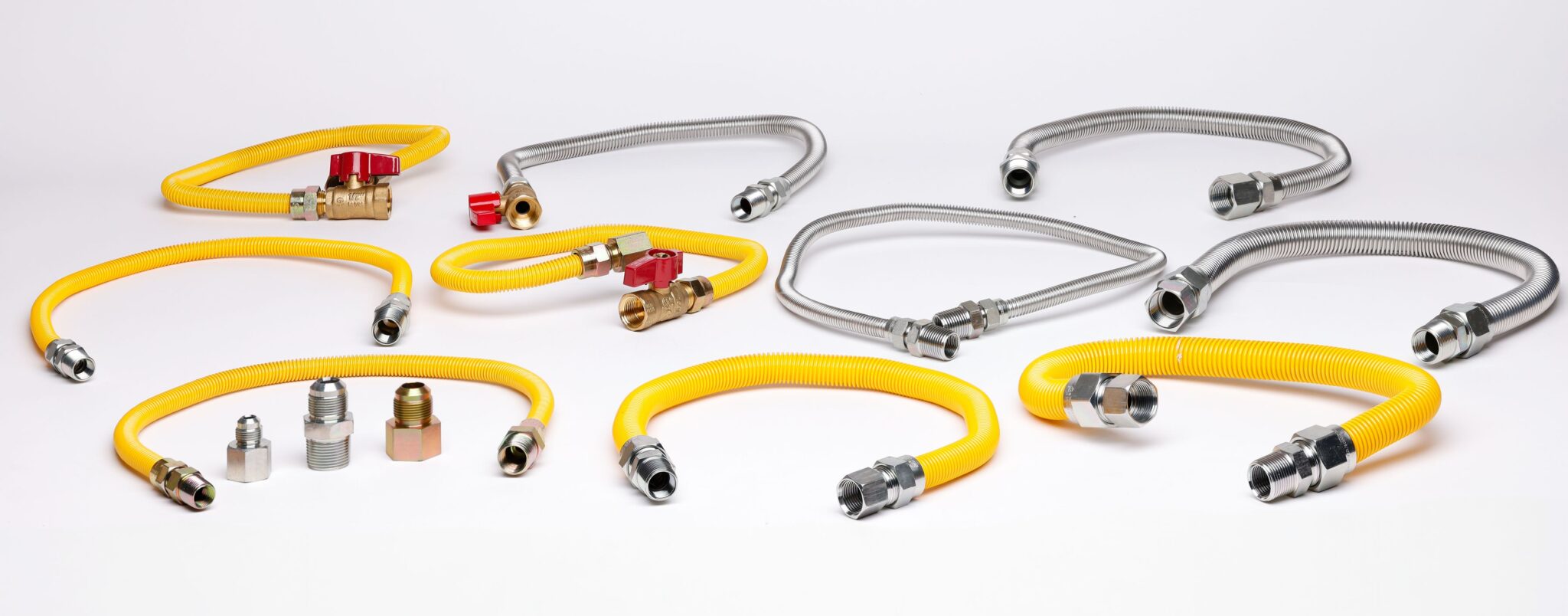
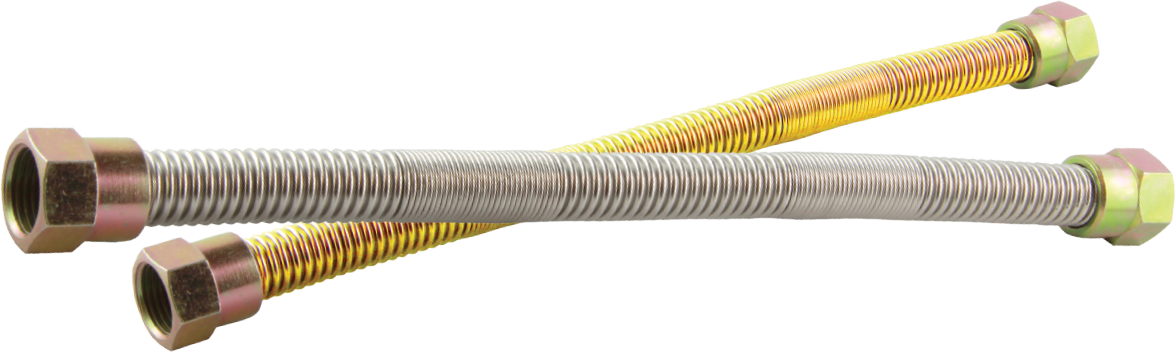
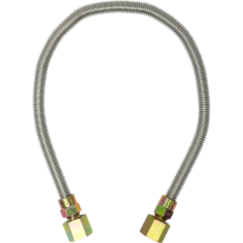
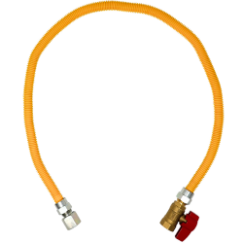
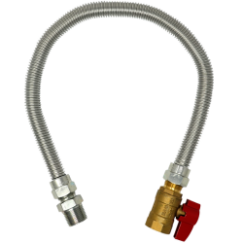
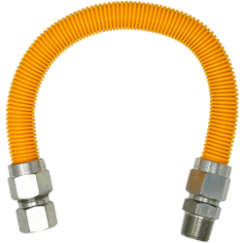
Flexible gas connectors are corrugated metal tubes, typically made of stainless steel or coated brass, used to connect gas supply lines to appliances. Their flexibility allows for easy installation and helps absorb movement, vibration, or slight misalignment without creating stress on the gas line.
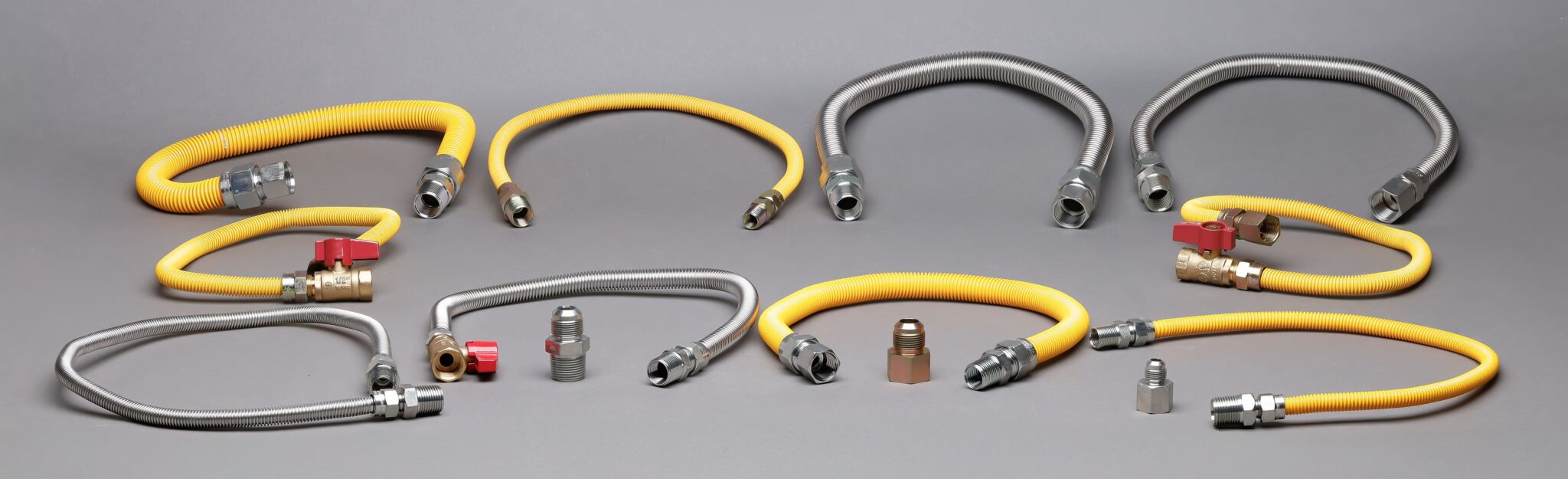
These connectors are designed for use with natural gas and propane and are commonly found in both residential and commercial applications. NDL’s flexible gas connectors are built for durability, corrosion resistance, and ease of installation, providing a dependable solution for today’s demanding HVAC and plumbing environments.
Why Safety Matters
Gas leaks are among the most dangerous hazards in building systems. Flexible connectors help prevent leaks — but only when they’re installed and maintained properly. Improper installations, aging connectors, or incompatible fittings can lead to gas leaks, fire, or carbon monoxide exposure.
Industry standards such as ANSI Z21.24 and CSA 6.10 establish strict performance and safety criteria for gas connectors. Always ensure your components meet or exceed these standards before installation.
Always use connectors certified for gas applications, as outlined in the ANSI Z21.24 / CSA 6.10 standards for gas appliance connectors (CSA Group)
Key Safety Considerations
Following proper safety procedures when selecting and installing flexible gas connectors is essential to preventing leaks, ensuring compliance, and protecting both property and personnel.
1. Use Certified Flexible Gas Connectors Only
Always use connectors specifically approved for gas applications. Avoid unmarked or uncertified products. Certified connectors will display the appropriate listing marks (ANSI or CSA), pressure ratings, and manufacturer identification.
2. Replace Older Flexible Gas Connectors
Connectors manufactured before 1990 — particularly uncoated brass types — can crack or fail over time. If you encounter an older connector, replace it immediately with a modern stainless-steel or coated version.
3. Proper Sizing and Length
Selecting the correct connector diameter and length is essential.
Always choose a connector that allows for a gentle, nautral curve, not a tight bend.
4. Avoid Hidden or Confined Installations
Flexible connectors should never pass through walls, floors, or ceilings. They must remain visible and accessible for inspection and servicing. This is a critical safety requirement in most gas codes.
5. Never Reuse Old Flexible Gas Connectors
Even if a connector appears to be in good condition, it should not be reused when installing a new appliance. Always install a new connector with fresh fittings to ensure a proper gas-tight seal.
Installation Best Practices
Careful installation not only ensures safety but also extends the lifespan and reliability of the entire gas system, helping prevent costly service calls or potential hazards.
1. Shut Off the Gas Supply
Before starting any work, verify that the gas supply is turned off and that the appliance is disconnected from power.
2. Inspect Before Installation
Check both the connector and the appliance inlet for any signs of corrosion, deformation, or damage. A small dent or kink can compromise performance and safety.
3. Use the Correct Fittings
Only use the fittings provided or specified by the connector manufacturer. Mismatched fittings are one of the leading causes of gas leaks. Do not modify connectors or attempt to adapt incompatible ends.
4. Avoid Twisting or Bending Flexible Gas Connectors
Install the connector without twisting it. Twisting can damage the corrugated structure and cause leaks. Make gentle bends, ensuring the radius of the curve is not tighter than the manufacturer’s specifications.
5. Perform a Leak Test
Once installed, test all connections using a non-corrosive leak detection solution or an electronic gas detector. Never test with an open flame. If bubbles form or gas is detected, immediately shut off the supply and correct the connection.
Incorrect sizing, over-bending, or reusing old connectors are among the most common causes of gas leaks — issues widely discussed in InspectAPedia’s guide to flexible gas connector installation
Maintenance and Replacement
Flexible gas connectors require periodic inspection, especially in high-use or high-vibration environments. Inspect connectors for:
Replace any connector showing wear or damage, and always replace connectors when relocating or replacing an appliance. Regular inspection is a simple way to prevent leaks and ensure continued safety.
For installers seeking more detailed specifications and field guidelines, the Gastite Design & Installation Guide provides comprehensive instructions for flexible fuel gas piping systems
Our Flexible Gas Connectors
A Commitment to Safety and Reliability
A flexible gas connector may be a small component, but it carries a big responsibility. Proper installation, certified materials, and regular inspection all play critical roles in ensuring safety, performance, and peace of mind.
At NDL Industries, we design our flexible gas connectors to meet the highest standards of quality and compliance. Each product is engineered for long-term reliability, corrosion resistance, and ease of installation, built to perform in both residential and commercial environments.
Trusted by HVAC and plumbing professionals across North America, NDL connectors deliver the precision, consistency, and durability that modern systems demand. When it comes to gas connections, quality isn’t optional, it’s essential.
Choose certified. Choose reliable. Choose NDL Industries.