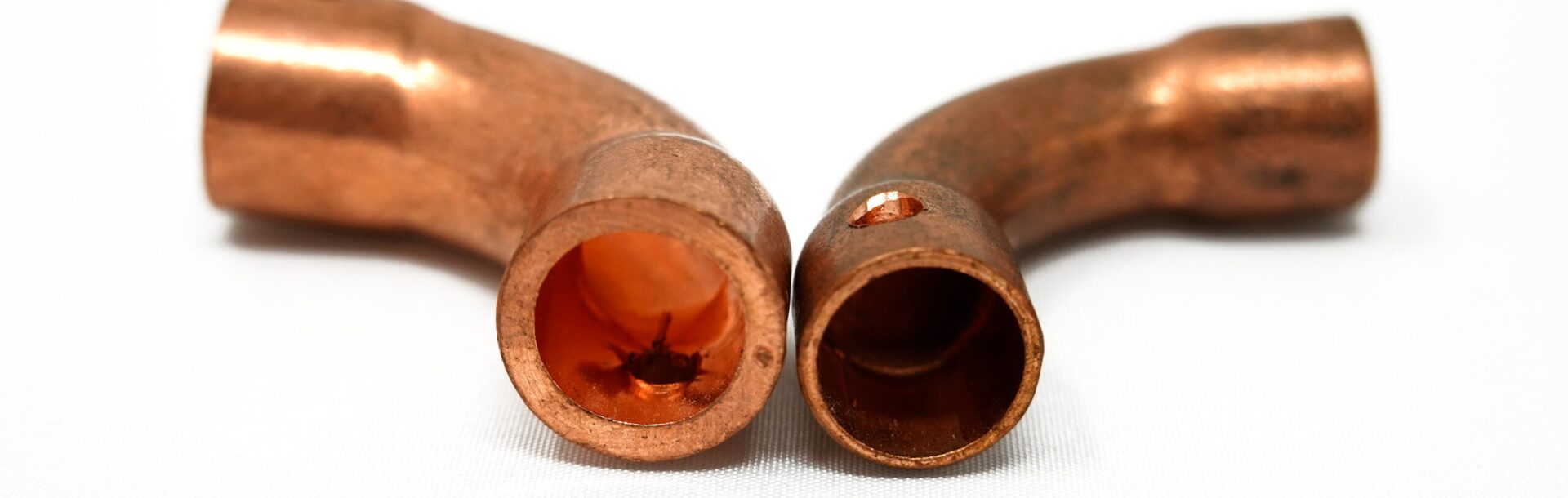
Why Cutting Corners Costs More in the Long Run
In HVAC-R and CO₂ refrigeration, performance and reliability rest on one essential foundation: sealing integrity. Valves and fittings must withstand pressure, temperature cycling, vibrations, and system demands, often under extreme conditions.
Yet low-cost valves and fittings continue to enter the market, promising short-term savings but delivering long-term failure. What seems “good enough” on installation day frequently becomes the root cause of leaks, downtime, inefficiency, and expensive callbacks.
This article breaks down the real, often hidden costs of using low-quality valves and fittings, and why choosing reliable, high-performance components like NDL’s results in measurable, long-term savings.
The High Price of System Leaks and Downtime
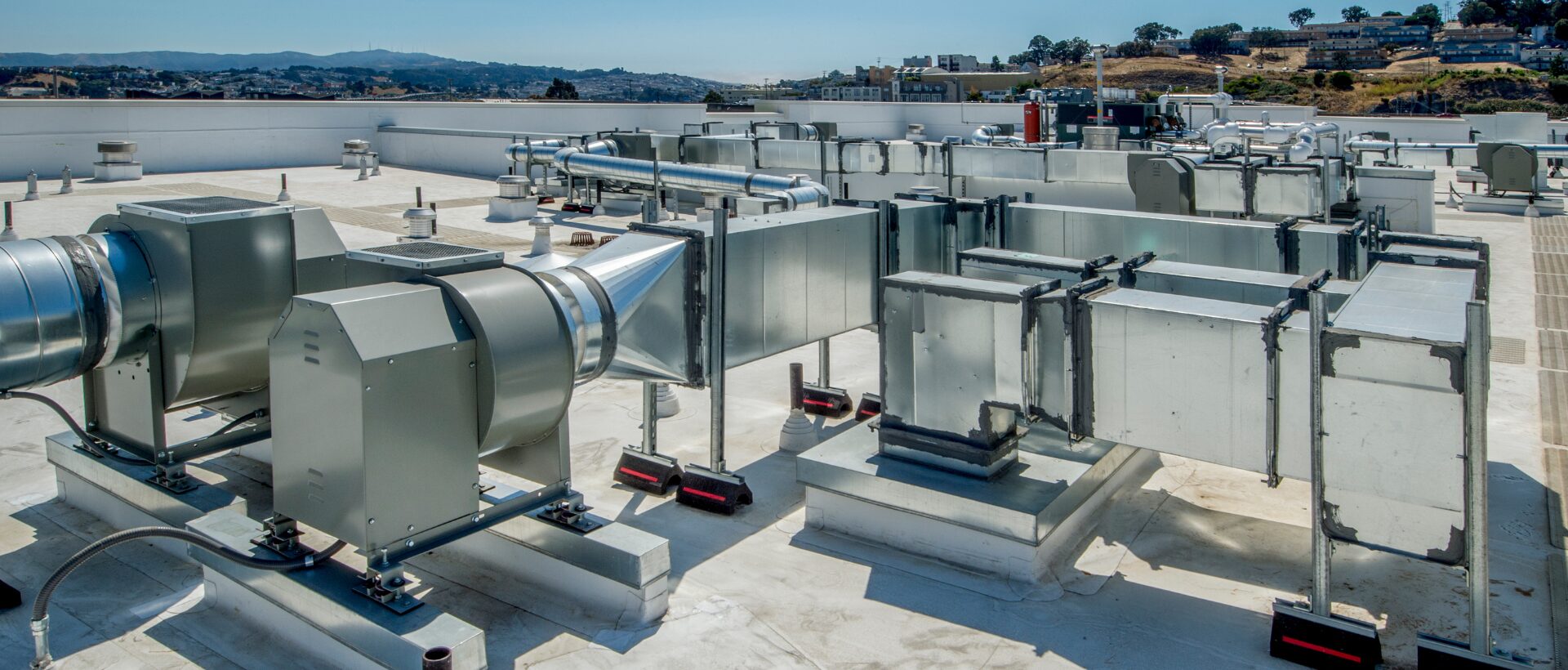
Low-quality components are more likely to suffer from inconsistent machining, poor metallurgy, weak sealing surfaces, and loose tolerances, all of which increase leak risk.
Even small leaks can lead to:
These aren’t just maintenance issues, they’re financial liabilities.
Industry data shows that commercial refrigeration systems can lose significant refrigerant each year if leaks go unaddressed, a problem highlighted by CoolSys, which notes that annual leakage rates can approach 25% when systems rely on lower-quality components or lack proper maintenance.
Source: CoolSys – Refrigerant Leak Detection: Maximizing System Efficiency & Cost Savings.
Leaks also lead to unplanned downtime, which is especially costly in supermarkets, cold storage, and food processing, where hours of system outage can ruin thousands of dollars’ worth of inventory.
Emergency service calls further multiply the cost, often requiring overtime labor, rapid dispatch, and higher service rates.
Reliable, well-engineered valves and fittings drastically reduce these risks.
For additional reliability-focused guidance, see: How Sight Glasses Improve HVAC-R System Reliability.
Labor Costs: The Hidden Multiplier Most People Overlook
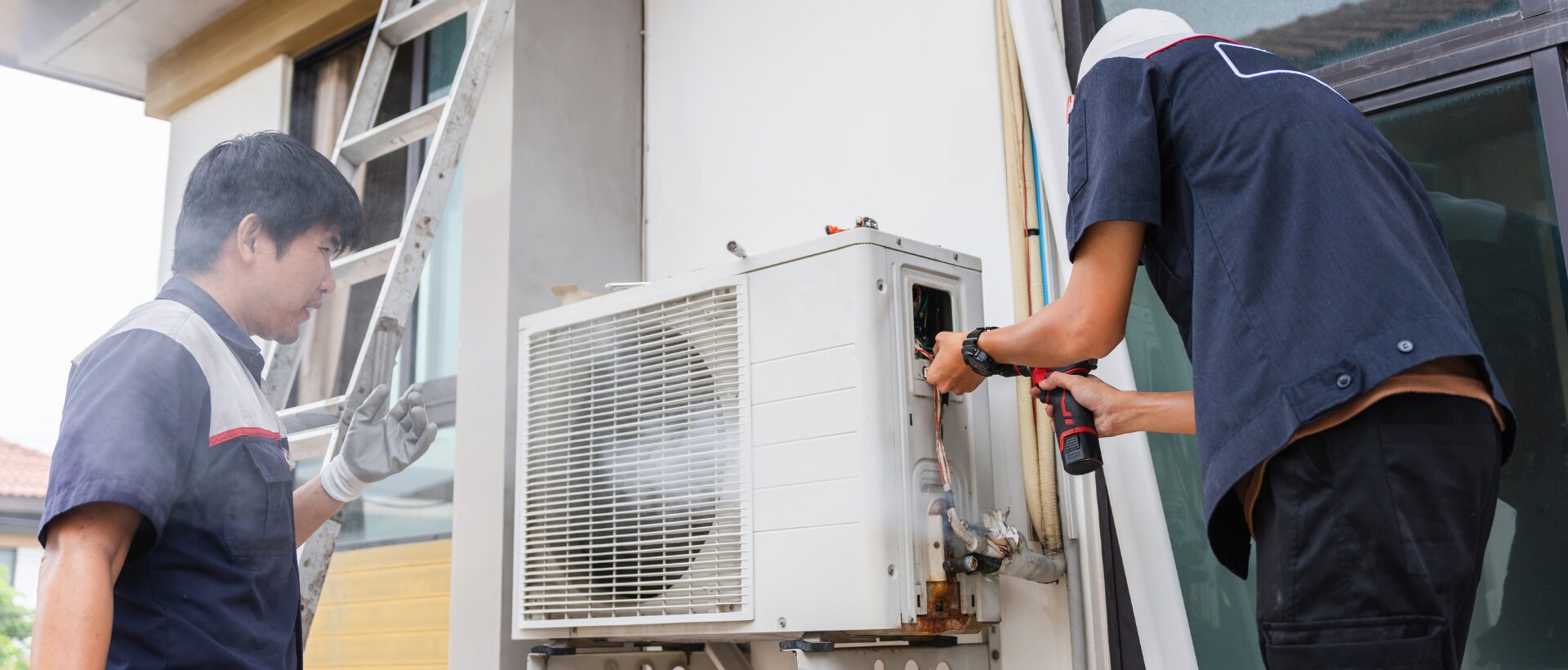
Reliable, well-engineered valves and fittings drastically reduce these risks.
Cheap valves and fittings introduce:
These inefficiencies directly affect job profitability.
The Air Conditioning Contractors of America (ACCA) emphasizes that callbacks are one of the biggest threats to contractor profitability, estimating that a single callback can cost roughly $2,500—and that even a modest 5% callback rate can exceed $100,000 in annual losses.
Source: ACCA – What’s the Cost of a Callback?
For contractors, installation consistency is critical. NDL’s HVAC-R product selection is engineered with tight tolerances and reliable sealing surfaces to help reduce installation errors and eliminate unnecessary rework, saving labor time and preventing callbacks.
One callback can erase the profit margin of an entire installation. Cheap fittings dramatically increase callback frequency, while high-quality components prevent it.
CO₂ Refrigeration Demands Higher Standards
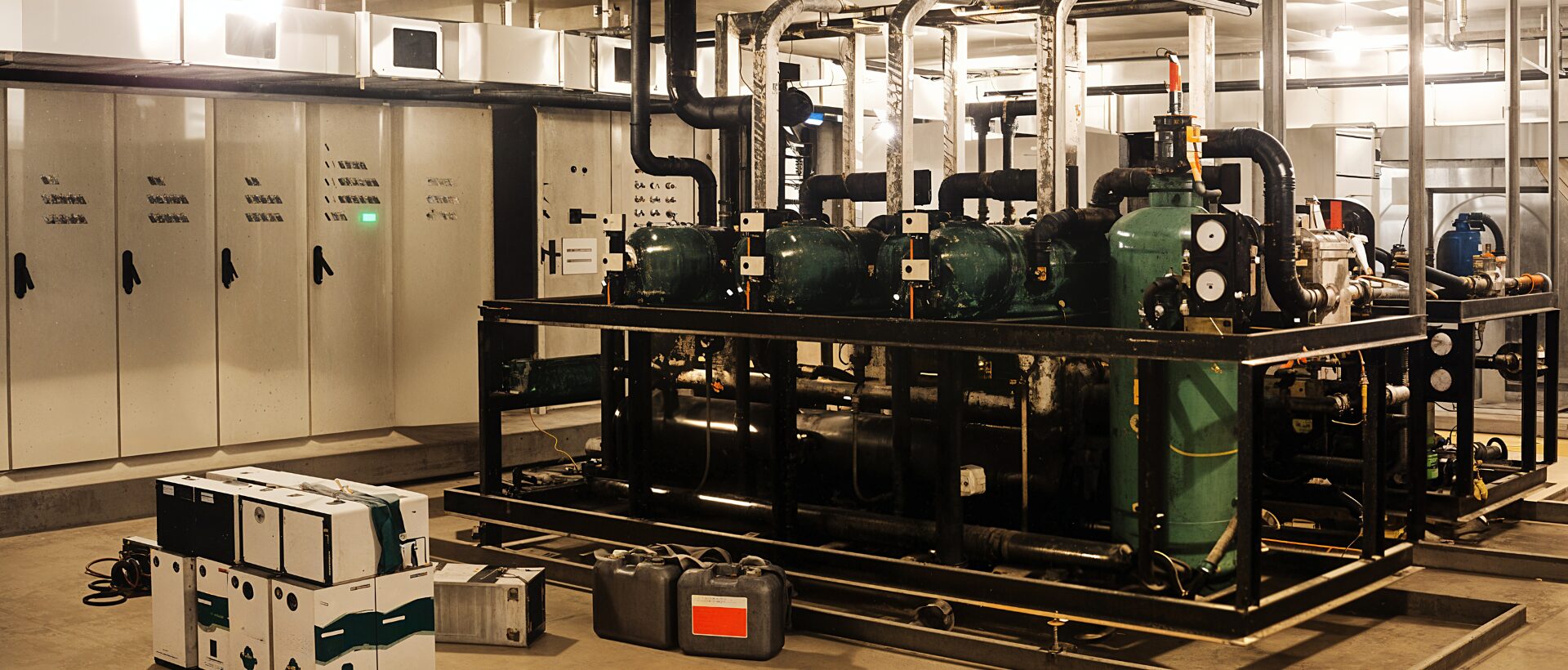
CO₂ (R-744) refrigeration is becoming a major solution for low-GWP cooling—but it introduces extreme operating pressures and demands exceptionally reliable components.
Transcritical CO₂ systems routinely operate at:
These pressures are unforgiving. Any weakness in a valve or fitting will quickly reveal itself.
Hillphoenix explains that CO₂ (R-744) refrigeration systems operate at much higher pressures than traditional HFC refrigerants and require components engineered for demanding, high-pressure conditions to ensure long-term reliability.
Source: Hillphoenix – CO₂ Refrigerant for Industrial Applications
Thermal cycling in CO₂ systems intensifies component fatigue, making material quality and machining precision essential.
CO₂ systems demand components that are engineered with exceptional precision. High-pressure refrigeration places intense mechanical stress on valves and fittings, making material quality and machining accuracy critical. Low-cost components often introduce weak sealing surfaces, thin walls, or inconsistent tolerances that cannot withstand repeated pressure cycling, which dramatically increases the risk of leaks or failure.
NDL’s CO₂-rated components are engineered specifically for these pressures and harsh cycling loads, ensuring long-term sealing integrity. Explore them here:
NDL CO₂ Refrigeration Products.
Warranty Claims & Reputation Damage

When valves and fittings fail prematurely, the impact reaches far beyond the immediate repair. Every failure chips away at customer confidence and adds hidden costs in the form of warranty processing, labor time, and reputational damage.
Low-quality components typically cause:
These failures reflect not just on the equipment, but on the contractor or OEM who selected the components.
HVAC School notes that callbacks and warranty returns are among the most damaging and expensive issues contractors face. They emphasize that “callbacks are especially bad for contractors,” and that part failures under warranty often lead to significant financial losses and reputational impact.
Source: HVAC School – Preventing Callbacks and Warranty Returns.
Even if a manufacturer covers the part cost, the contractor still absorbs the labor, travel, scheduling disruption, and customer dissatisfaction. Over time, these failures erode trust and reduce long-term business potential.
High-quality valves and fittings dramatically reduce warranty exposure—protecting both the contractor’s bottom line and their reputation.
Total Cost of Ownership: The Metric That Matters Most

Choosing the lowest-priced valve or fitting may save a few dollars upfront, but over the life of an HVAC-R or CO₂ refrigeration system, that decision often becomes the most expensive. Total Cost of Ownership (TCO) highlights how long-term costs—maintenance, downtime, energy, and repair—often outweigh the initial purchase price.
Low-quality components increase:
High-quality components significantly lower TCO by ensuring long-term reliability, stable system performance, and fewer lifecycle disruptions.
ABB defines Total Cost of Ownership as encompassing all direct and indirect expenses across a system’s lifecycle, including capital cost, operating cost, maintenance, and repair. Their HVAC systems guide stresses the importance of choosing components that minimize failures and maintenance to reduce overall TCO.
Source: ABB – Application Guide: Optimizing the Total Cost of Ownership of HVAC Systems.
The pattern is consistent: quality components reduce failures, improve efficiency, and protect system uptime, delivering substantial financial benefits over the system’s lifespan.
Low-Quality Parts Are the Most Expensive Choice

Valves and fittings may be small, but their impact is enormous. System uptime, performance, safety, and long-term cost all depend on the integrity of these components.
NDL products—across CO₂ refrigeration, HVAC-R, and Hydronics—are engineered to deliver long-lasting sealing integrity and withstand demanding operating conditions.
Cheap components save money today.
High-quality components save money every day after.